
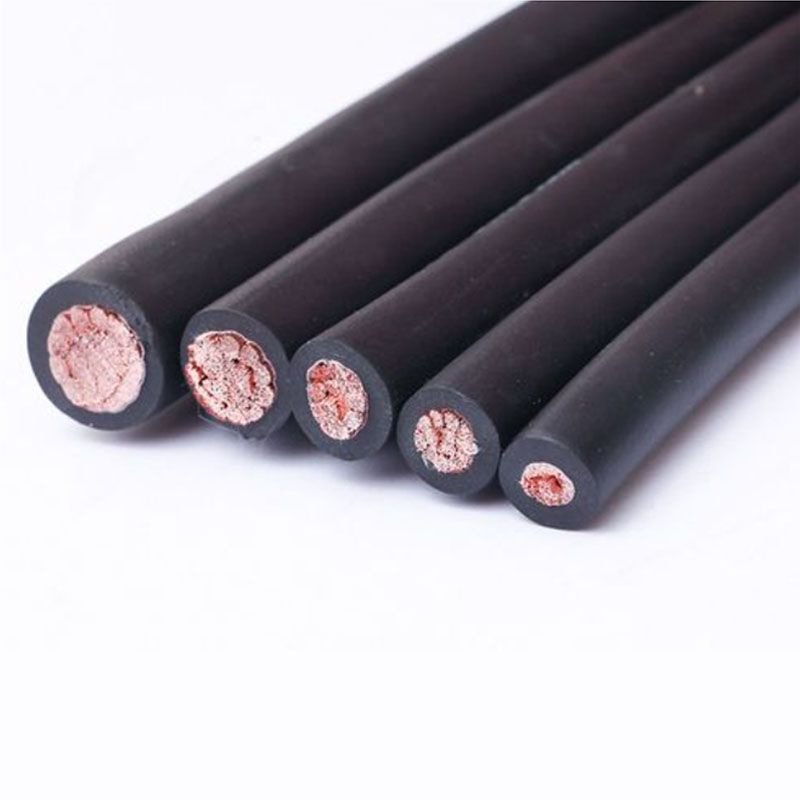
Rubber Cable / 450/750V
Welding Rubber Cable
Model: YH / Welding Cable
Flexible welding rubber cable specially designed for welding machines and high-current electrical connections.
- Voltage Rating
- 450/750V
- Number of Cores
- Array
- Cross Section
- 10–185 mm²
- Conductor
- Copper
- Armoring
- Unarmored
- MOQ
- ≥ 100 m
Standards & Certifications
- IEC
Downloads
Specifications
Technical Specifications & Performance
Construction
- Model / Series
- YH / Welding Cable
- Voltage Rating
- 450/750V
- Conductor Material
- Copper
- Conductor Class
- Class 6 Extra Flexible
- Cross Section
- 10–185 mm²
- Number of Cores
- Array
- Insulation
- Rubber
- Sheath
- Rubber
- Armoring
- Unarmored
- MOQ
- ≥ 100 m
Performance
- Max. Conductor Temp.
- 65°C
- Min. Bending Radius
- 6 × Cable Outer Diameter
About This Product
The Cable Welders Drag Through Mud, Sparks, and Eight-Hour Shifts
Welding Rubber Cable (model designation YH for the Chinese national-standard single-layer variant, YHF for the flame-retardant double-layer variant, internationally known as H01N2-D per EN 50525-2-81 and 60245 IEC 81 per IEC 60245-6) is the flexible single-core conductor that carries welding current from the welding machine’s secondary side to the electrode holder or the workpiece ground clamp. Unlike any other cable in the Jinda catalogue, this one is designed to be moved — dragged across concrete floors, coiled and uncoiled dozens of times per shift, walked on by safety boots, splashed with weld spatter, and exposed to grinding-wheel sparks and arc UV throughout its working life.
The electrical rating is unusual: only 100/200 V AC operating (with insulation rated 450/750V for safety margin), but designed for continuous welding current of 100 to 600+ amperes in cross-sections from 16 to 120 mm². The combination of low voltage and very high current is the opposite of typical power cable, which is why the construction is also opposite: very fine, very flexible Class 5 or Class 6 stranded copper (often 800+ individual 0.20 mm strands in a 35 mm² conductor), thick rubber insulation chosen for mechanical abuse rather than electrical performance, and an outer sheath formulated to resist welding spatter, oil, ozone, and UV.
Production follows GB/T 5013.6-2008 (Chinese arc-welding cable standard, harmonised with IEC 60245-6) plus JB/T 8735-2016 for the rubber compound additional requirements. Export to European markets follows EN 50525-2-81 and carries the HAR certification mark. Jinda manufactures the YH / YHF / H01N2-D family at our Tianjin and Henan bases on dedicated rubber-extrusion and vulcanisation lines. Standard lead time is 15 to 25 days; bulk delivery in 100 m coils for smaller sites, 500 m drums for assembly-line and shipyard projects.
Cable Structure
Three Layers Tuned for Daily Physical Abuse
Every aspect of the construction trades electrical performance for mechanical endurance. The conductor is sized for current and softened for bending, not for low resistance. The insulation is sized for impact tolerance, not for voltage withstand. The sheath is sized for arc-spatter survival, not for weatherproofing. Compared to a same-cross-section power cable, welding cable is roughly 30 percent thicker, 25 percent heavier, and 60 percent more flexible — trade-offs deliberately tuned for the welding environment.
-
1
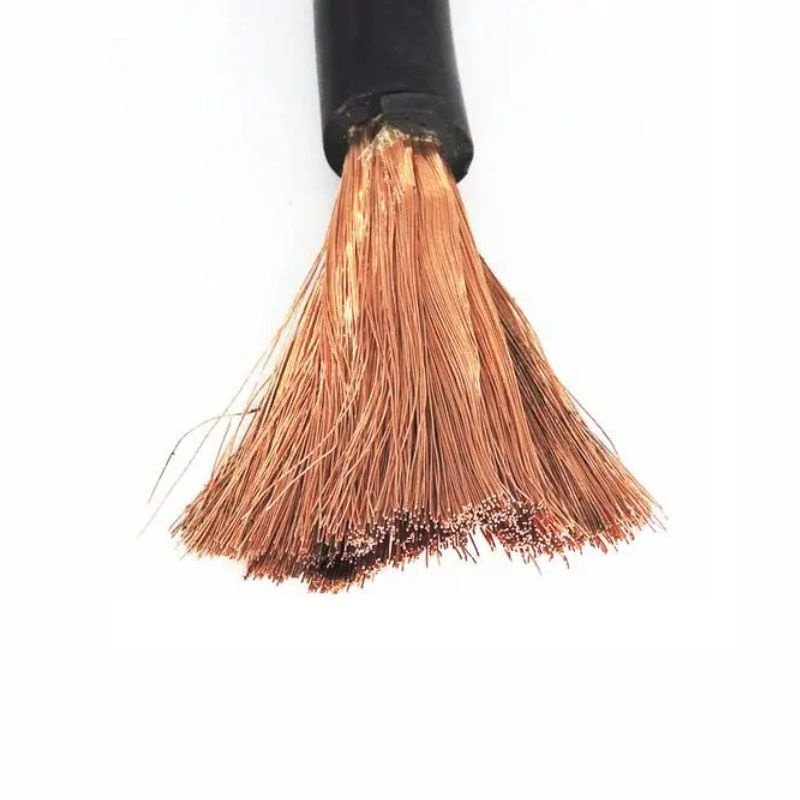
Conductor — Extra-Flexible Class 5 or Class 6 Stranded Copper
Annealed bare copper (or tinned copper for export markets and humid environments) stranded from 0.20 mm fine wires per IEC 60228. Cross-sections up to 95 mm² typically use Class 6 (the most flexible class — for 35 mm² that’s about 1,100 individual strands); 120 mm² and above step down to Class 5 (about 600 strands at 50 mm²) because tighter stranding becomes impractical at larger conductor sizes. The fine-strand construction is what gives the cable its signature feel: bends like a thick rope, no spring-back, no kinking.
-
2
Separator — Polyester (PET) Film Tape
A heat-resistant polyester film tape is wrapped helically around the cabled copper strands before the rubber insulation is extruded over the top. The separator prevents the rubber from sticking to individual copper strands during vulcanisation, which would lock the conductor into a stiff geometry and defeat the whole point of fine-strand construction. The separator is what lets the strands move independently inside the insulation during cable flexing.
-
3
Insulation & Sheath — Vulcanised Rubber (Single or Double Layer)
For YH single-layer construction: one extruded layer of natural rubber compound (NR) or ethylene-propylene rubber (EPR), vulcanised after extrusion, serves as combined insulation and sheath. For YHF double-layer construction: an inner EPR insulation layer plus an outer chloroprene rubber (CR) or chloroprene-polyethylene (CPE) jacket. The double-layer variant is significantly more resistant to oil, weld spatter, abrasion, and flame propagation — the cost premium is roughly 15 to 25 percent. H01N2-D (European single-layer) uses neoprene/PCP rubber; H01N2-E (double-layer) adds an outer PCP jacket. Sheath colour is typically black, but red, orange, and blue are available for crew identification on multi-machine sites.
Key Features
What "Welding Cable" Actually Means in Practice
Welding cable looks simple on paper but the requirements list is unusually long: extreme flexibility, high current capacity, spark resistance, oil resistance, abuse tolerance, temperature range, and reasonable cost. The six features below are what GB/T 5013.6, IEC 60245-6, and EN 50525-2-81 collectively guarantee — and what differentiates real welding cable from cheap "flexible cable" that fails within months.
Extra-Flexible Class 5/6 Stranding
Fine-strand construction (0.20 mm individual wires, typically 800 to 1,800+ strands depending on cross-section) gives welding cable its defining property: it bends like rope, not like wire. Minimum bending radius is 5× OD versus 8-12× for typical power cable. Survives the constant coiling, dragging, and re-coiling cycle of welding work without strand fracture or insulation cracking.
Spark and Hot-Slag Resistance
Welding produces a continuous shower of molten metal spatter at 1,500°C+ that lands on the cable lying nearby. Standard PVC jacket melts and burns; standard XLPE chars and cracks. Vulcanised rubber compound resists momentary contact with hot spatter without permanent jacket damage. The double-layer YHF / H01N2-E construction is significantly better in this respect — specify it for high-spatter applications (steel structural welding, ship hull plate work).
Mechanical Abuse Tolerance
Walked-on by safety boots, dragged across concrete and rebar, run over by forklift wheels — welding cable lives the roughest life of any cable in normal service. The rubber sheath is engineered for impact resistance class AG2 (medium severity per IEC 60364-5-51) — able to absorb the kind of crushing and tearing loads that fracture or split rigid-construction cables. The fine-strand conductor inside helps too: even if a few strands break under crushing load, the remaining hundreds keep current flowing.
Oil, Grease & Chemical Resistance
Vulcanised neoprene (CR) and chloroprene-polyethylene (CPE) compounds resist mineral oils, hydraulic fluids, cutting oils, and most workshop chemicals without swelling or softening. This matters in any welding environment that’s also a machining shop — auto assembly lines, shipyards, fabrication shops. Standard polymer jackets absorb oils, swell, lose strength, and tear within months in these conditions. Double-layer YHF / H01N2-E is the specification for heavy oil exposure.
−35°C to +85°C Service Range
Continuous service from −35°C winter outdoor temperatures (construction sites, shipyards) to +85°C conductor temperature under heavy welding current. Conductor short-circuit rating 250°C for 5 seconds, well above what normal welding work produces. The rubber sheath stays flexible at −35°C — standard PVC turns brittle and cracks below −10°C, making it useless for outdoor winter welding.
Multi-Market Certification: HAR / CCC / IEC
YH per GB/T 5013.6-2008 with CCC certification for the Chinese market. H01N2-D per EN 50525-2-81 with the HAR mark for the EU market. IEC 60245-6 (60245 IEC 81) for international harmonisation. CE, CB, SAA (Australia), SGS, BV available on quotation. Specify which markets at order — the same physical cable can carry multiple certifications when the buyer needs them, but the test reports must be issued for the named markets at production time.
How to Choose
Six Decisions Before You Place the Order
Welding cable selection comes down to current rating, environmental exposure, and required certification. Get the cross-section right (oversize rather than undersize — voltage drop over long welding leads is a real productivity issue), pick single-layer or double-layer based on the work environment, then specify the target market certification. Walk through these six decisions before issuing the PO.
Size the cross-section to welding current AND cable length
Welding current ratings: 16 mm² for ~150 A (small portable welders), 25 mm² for ~200 A, 35 mm² for ~280 A (typical SMAW shop), 50 mm² for ~350 A, 70 mm² for ~450 A, 95 mm² for ~570 A, 120 mm² for ~700 A (heavy MIG/automatic). Critical: lead length over 15 m requires oversizing by one step to keep voltage drop under 4 percent — otherwise arc instability hurts weld quality. Round-trip length is what matters (machine to electrode + workpiece to machine).
Choose single-layer (YH / H01N2-D) or double-layer (YHF / H01N2-E)
YH / H01N2-D (single-layer rubber, combined insulation/sheath) is the general-purpose choice and the cheapest option — suitable for indoor workshops with normal oil and abuse levels. YHF / H01N2-E (double-layer: inner rubber insulation + outer chloroprene jacket) is the upgrade for harsh environments — oil-exposed shops, outdoor construction sites, shipyards, heavy spatter welding. Cost premium is roughly 15 to 25 percent; service life under abusive conditions is 2 to 3 times longer. For any project where cable replacement labour is significant, double-layer pays back quickly.
Identify the target market certification
China domestic: YH / YHF per GB/T 5013.6 with CCC certification. Europe: H01N2-D / -E per EN 50525-2-81 with HAR mark. International export: 60245 IEC 81 per IEC 60245-6. Australia / NZ: SAA certification. The same underlying cable can be produced under multiple certifications if the buyer needs cross-market flexibility — specify all needed certifications at order so the testing and stamping happens together.
Pick the sheath colour for crew identification
Standard sheath colour is black. For multi-machine sites where multiple welders work in the same area, use coloured sheath to distinguish each machine’s leads at a glance — red, orange, blue, and yellow available on request without significant cost premium. Coloured cables also reduce the “wrong cable picked up” risk on shared sites. Some shops use red for the electrode lead (hot side) and black for the workpiece lead (ground side) as a safety convention.
Decide on conductor: bare or tinned copper
Standard bare annealed copper is sufficient for indoor and dry workshop environments — the rubber sheath protects the conductor adequately. Tinned copper conductor adds approximately 8 to 15 percent to cable cost but is necessary for: coastal and offshore shipyards (salt air), agricultural / livestock buildings (ammonia), chemical plants (acidic atmospheres), or any installation where the cable may sit unused for long periods with one end open. Tinning prevents copper sulfide corrosion at the open conductor ends.
Plan packaging: coils or drums
100 m coils are the standard packaging unit for small-quantity sales and individual welding sets — light enough for one person to carry, ready to deploy. 500 m drums for industrial assembly lines, shipyards, and project sites where cable is cut to length on site. 200 m / 305 m / 1000 ft coils are available for export markets that prefer those measures. Container-load economics for utility-scale and shipyard projects deliver 5 to 10 percent unit-price reduction — ask for the volume quotation when ordering 30 km+ of cable.
Applications
Anywhere High Current Meets Constant Movement
Welding cable started as the conductor for arc welding machines, but its combination of high current capacity, flexibility, and abuse tolerance has made it the cable of choice for several adjacent applications. The four scenarios below are the dominant ones for our shipment volume; the underlying cable construction is the same, only the cross-section and certification vary.
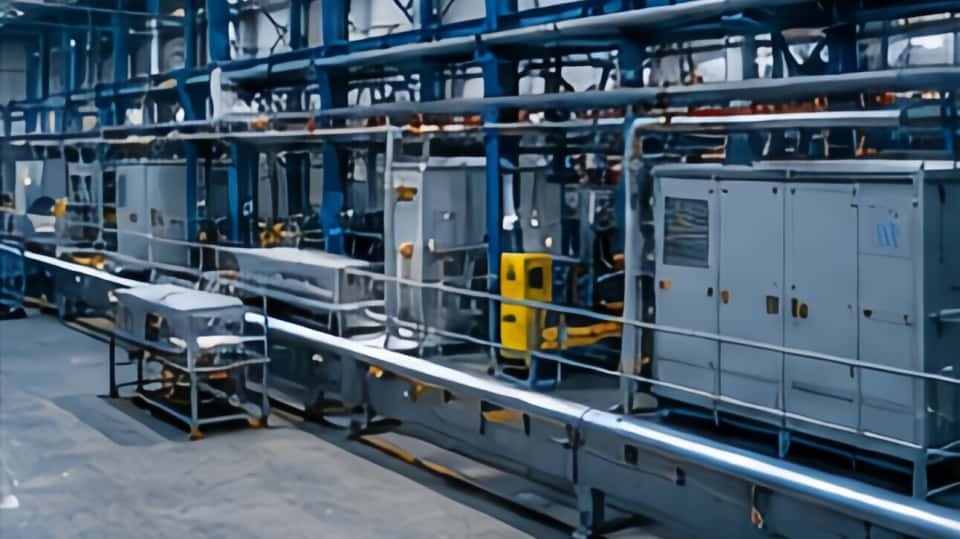
Manual Arc Welding (SMAW / MMA)
The traditional handheld stick-welding setup: welding machine to electrode holder on one side, machine to workpiece ground clamp on the other. Typically 25 to 50 mm² cross-section for 200-400 A welding current, single-layer YH / H01N2-D adequate for indoor workshop conditions. Construction sites and shipyards use double-layer YHF / H01N2-E for the additional abuse tolerance.
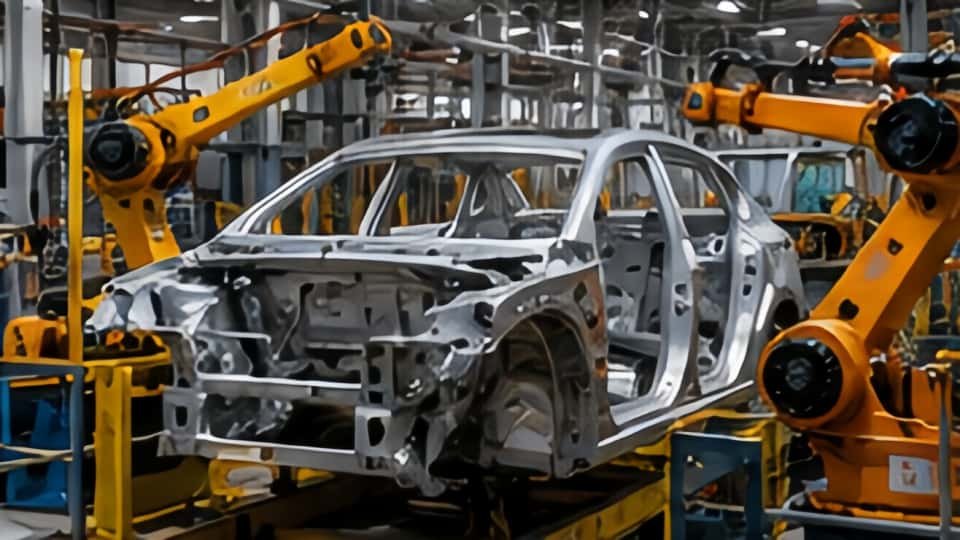
MIG / MAG / TIG & Robot Welding Lines
Automated welding production lines — car body assembly, white-goods manufacture, structural fabrication, robot welding cells. Typically 50 to 95 mm² cross-section running 300-600 A continuously, double-layer YHF / H01N2-E for the heavy oil exposure and continuous machinery contact. Pre-cut lengths matched to the machine layout are usually specified.
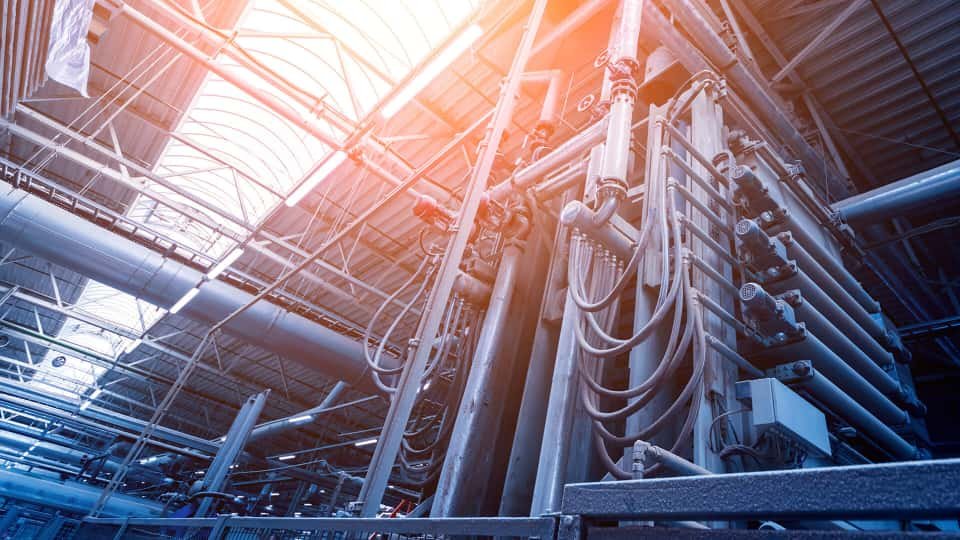
Shipyards, Steel Mills & Heavy Fabrication
The most demanding welding cable environment — ship hull plate work, structural steel fabrication, pressure vessel manufacture. 70 to 120 mm² cross-section for 450-700 A continuous heavy welding, always double-layer YHF / H01N2-E with extra abrasion resistance. Often tinned copper for coastal shipyard atmospheres. Long lead lengths (50 m+) are routine, requiring oversized cross-section to manage voltage drop.
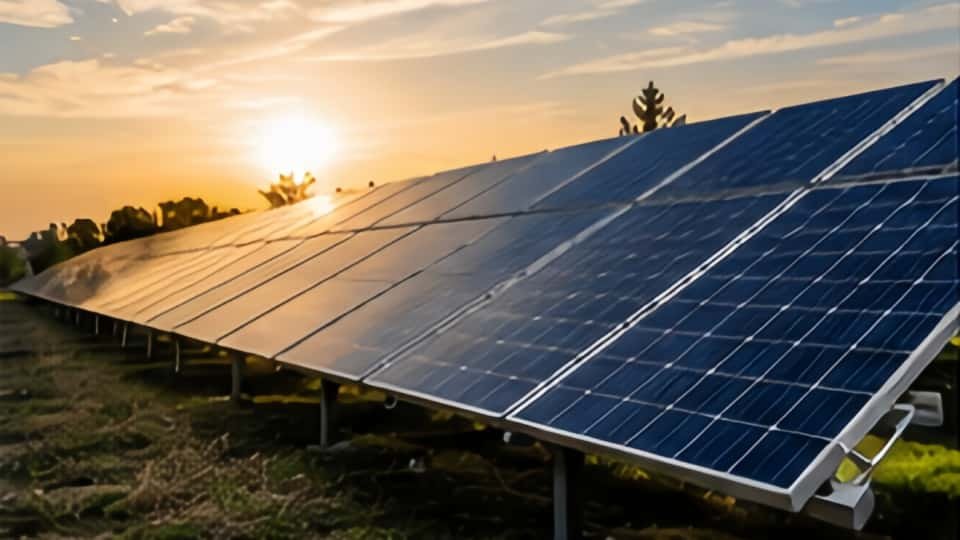
Battery, Solar, Stage & Crane Pendant Cables
Non-welding applications using welding cable for its flexibility and high-current capability: high-current battery interconnects (forklift, marine, EV battery banks), solar power station inverter-to-battery cabling, theatrical lighting feeders, mobile generator output cables, and lower-cost substitute for true reeling/pendant cable on cranes and hoists where the duty cycle permits.
Not appropriate for: Fixed building wiring (use WDZ-YJY LSZH cable — welding cable is wasteful for static installations). True reeling-drum or crane-pendant duty exceeding 50 cycles per hour (use dedicated reeling cable rated for that duty). Coal mine portable equipment (use the MCP / MYPT mining trailing cable family with MT 818 compliance and screening). High-voltage applications (welding cable rated to 450/750V insulation only). Permanent outdoor installations with continuous UV exposure exceeding 5 years (use the YZW / YCW weather-resistant rubber family with EPDM jacket).
Technical Data
YH / H01N2-D Standard Sizes & Welding Current Ratings
Reference values for YH / H01N2-D welding cable per GB/T 5013.6-2008 and IEC 60245-6. The welding current rating is for intermittent welding duty (60 percent duty cycle, typical of manual SMAW work) at 40°C ambient. For continuous welding at 100 percent duty cycle (automated lines), derate by approximately 25 to 30 percent. AWG equivalents are provided for North American export reference.
| Cross Section | AWG Equiv. | Strand Construction | Approx. Cable OD | DC Resistance (max, 20°C) | Welding Current (60% duty) |
|---|---|---|---|---|---|
| 10 mm² | 8 AWG | ~ 320 / 0.20 mm | ~ 8.0 mm | 1.91 Ω/km | 110 A |
| 16 mm² | 6 AWG | ~ 512 / 0.20 mm | ~ 9.8 mm | 1.16 Ω/km | 155 A |
| 25 mm² | 4 AWG | ~ 800 / 0.20 mm | ~ 11.4 mm | 0.758 Ω/km | 205 A |
| 35 mm² | 2 AWG | ~ 1,120 / 0.20 mm | ~ 12.8 mm | 0.536 Ω/km | 275 A |
| 50 mm² | 1 AWG | ~ 1,600 / 0.20 mm | ~ 14.8 mm | 0.379 Ω/km | 355 A |
| 70 mm² | 2/0 AWG | ~ 2,212 / 0.20 mm | ~ 17.0 mm | 0.268 Ω/km | 450 A |
| 95 mm² | 3/0 AWG | ~ 3,000 / 0.20 mm | ~ 19.5 mm | 0.193 Ω/km | 570 A |
| 120 mm² | 4/0 AWG | ~ 3,800 / 0.20 mm | ~ 21.5 mm | 0.153 Ω/km | 690 A |
DC resistance per IEC 60228 Class 5/6 stranded annealed bare copper, 20°C. For tinned copper, resistance is approximately 1.5 to 2 percent higher than the bare-copper values shown. Welding current rating per IEC 60245-6 (single-core in air, 60 percent duty cycle, 40°C ambient). Derate by 25-30 percent for 100 percent continuous duty (automated welding lines). For lead lengths over 15 m, voltage drop becomes the limiting factor — oversize by one cross-section step to maintain weld arc stability.
Insulation voltage: 450/750V per GB/T 5013.6 / IEC 60245-6 (the cable’s dielectric rating). Operating voltage during welding: 100/200V AC, 400V DC pulsating peak (the actual circuit voltage in service). Operating temperature: −35°C to +85°C continuous conductor temperature. Short-circuit: 250°C for 5 seconds. Minimum bending radius: 5× OD (per EN 50525-2-81); 15× OD for fixed installation (rarely relevant for this cable). Standard sheath colour black; coloured variants on request.
Comparison
YH vs YHF vs Other Flexible Rubber Cables — What Each One Is For
The Chinese flexible rubber cable family is large and the names look similar. Knowing which is which prevents the common mistake of over-specifying expensive mining cable for welding work, or under-specifying basic flexible cable for harsh-environment welding. The table below covers the four most commonly confused options.
| Attribute | YH (this product, single layer) | YHF (double layer, FR) | YC / YCW (general industrial flex) | MCP (mining trailing cable) |
|---|---|---|---|---|
| Application | Arc welding cable | Heavy-duty welding cable | General industrial flex | Coal mine portable equipment |
| Construction | Single-layer rubber | Double-layer (rubber + CR jacket) | Multi-core, rubber | Multi-core + screen + steel cord |
| Cores | 1 (single-core) | 1 (single-core) | 3, 4, or 5 cores | 3+1 or 3+E+screened |
| Operating voltage | 100/200 V AC welding | 100/200 V AC welding | 0.3/0.5 to 0.45/0.75 kV | 0.66/1.14 kV (mining) |
| Insulation voltage rating | 450/750 V | 450/750 V | 450/750 V | 0.66/1.14 kV |
| Spark / hot-slag resistance | Good (rubber) | Excellent (CR jacket) | Marginal | Not relevant |
| Oil / chemical resistance | Moderate | Excellent (CR jacket) | Moderate (varies) | Excellent (mining grade) |
| Flame retardant | No (standard) / Yes on req | Yes (FR jacket) | No (standard) / Yes on req | Yes (mandatory MT 818) |
| Typical cross-sections | 10-120 mm² | 16-120 mm² | 0.75-150 mm² | 4-150 mm² |
| Standard | GB/T 5013.6 / IEC 60245-6 | GB/T 5013.6 / IEC 60245-6 | GB/T 5013 / IEC 60245 | MT 818 (coal mine) |
| Cost (relative) | 1.00 (baseline) | 1.15 to 1.25 | 1.20 to 1.40 (multi-core) | 2.50 to 4.00 (much heavier) |
When to choose YH (this product)
Standard single-core arc welding work in indoor workshops with normal levels of oil and abuse: typical SMAW / MIG / TIG welding shops, fabrication shops, training schools, light industrial assembly. The most common welding cable specification and the cheapest option in the family. For projects with cost as the primary constraint and reasonable operating conditions, YH is correct.
When to choose an alternative
For harsh-environment welding (shipyard, oil-heavy auto assembly, outdoor construction, heavy spatter), upgrade to YHF / H01N2-E double-layer construction — 15-25 percent more cost, 2-3 times the service life. For multi-core industrial flexible cabling (motor leads, machinery power supply), specify the YC / YCW family instead. For coal mine portable equipment, use the dedicated MCP / MYPT mining trailing cable with MT 818 compliance and built-in screening. For outdoor permanent installations with continuous UV, specify YZW or YCW with EPDM jacket.
Frequently Asked Questions
Common Questions From Welding Shops, Distributors, and Export Buyers
What is the difference between YH and YHF?
Same Class 5/6 stranded copper conductor and same separator tape. The difference is in the rubber covering. YH uses a single layer of vulcanised natural rubber or EPR that serves as combined insulation and sheath — cheaper, lighter, fine for indoor workshop conditions. YHF uses an inner EPR insulation layer plus an outer chloroprene rubber (CR) or CPE jacket, giving meaningfully better resistance to oil, weld spatter, flame propagation, and mechanical abrasion. YHF costs 15 to 25 percent more but typically lasts 2 to 3 times longer in harsh environments. For shipyards, outdoor construction sites, and heavy industrial welding, YHF pays back quickly through reduced cable replacement frequency.
Why is the insulation rated 450/750 V if welding only uses 100/200 V?
Two reasons. First, safety margin: welding circuits can briefly produce voltage spikes well above the nominal 100/200 V during arc initiation and short-circuit events, and the 450/750 V dielectric rating handles these without insulation damage. Second, the 450/750 V class is the standard insulation rating in IEC 60245 and GB/T 5013, so manufacturing one consistent insulation thickness across the rubber-cable family is simpler than tooling up for a special low-voltage variant. The 450/750 V rating also means welding cable can occasionally be used for low-voltage AC and DC applications (battery cables, low-voltage drives) within that envelope — the cable is over-specified for welding alone.
How much current can welding cable actually carry?
Welding current rating depends on duty cycle, not just cross-section. At 60 percent duty cycle (typical manual SMAW, where the operator strikes an arc, welds for a few seconds, then chips slag and repositions): 25 mm² carries ~205 A, 50 mm² carries ~355 A, 95 mm² carries ~570 A. At 100 percent duty cycle (continuous automated welding): derate by 25-30 percent. For long welding leads (over 15 m round trip), voltage drop becomes the limit before thermal capacity does — oversize by one step to keep arc voltage stable. The published ampacity tables assume free-air installation; bundled or coiled cable carries less.
Can I use welding cable for battery interconnects or solar inverter cabling?
Yes — this is a common and legitimate secondary use. Welding cable’s combination of high current capacity, flexibility, and rubber sheath durability makes it well-suited for high-current DC battery interconnects (forklift battery banks, marine house batteries, EV battery packs), solar power station inverter-to-battery cabling, and similar low-voltage high-current applications. The 450/750 V dielectric rating is more than sufficient for 12V to 48V battery systems. For permanent outdoor installations exposed to UV, however, specify the YZW or YCW EPDM-jacketed variant — standard welding cable rubber will degrade under 5+ years of direct sunlight.
What is the HAR mark and do I need it for export?
HAR is the harmonised certification mark for cables that satisfy a European CENELEC harmonised standard — in this case EN 50525-2-81 for H01N2-D welding cable. Cable carrying the HAR mark is approved for sale and installation across all EU and EEA member states without per-country re-testing. For projects exporting to Europe, HAR-marked H01N2-D is the simplest specification — one certification covers the entire European market. We carry HAR certification on our H01N2-D production line; specify HAR marking at order. The cable itself is essentially the same as our domestic YH; the difference is the test reports and the marking on the cable surface.
What is the typical lead time and MOQ?
Standard YH and YHF configurations in 25, 35, 50, 70 mm² cross-sections (the bulk of demand) typically ship in 15–25 days from order. Rubber compounding and vulcanisation is slower than thermoplastic extrusion, which is what drives the timeline. H01N2-D with HAR mark adds 3 to 5 days for the certification documentation pass. MOQ is normally 1,000 m per cross-section; smaller orders (down to 100 m) accepted for trial shipments with a small setup fee. Container-load orders (typically 30 km+ of mixed sizes) deliver 5 to 10 percent unit-price reduction — ask for the full project quotation when you have the cable schedule.
Installation & Handling Tips
Six Practices That Triple Your Welding Cable Service Life
Welding cable lives or dies by how the operator and the shop treat it. The same physical cable lasts 6 months in one shop and 3 years in another, just from differences in handling. The six items below are the practices that consistently extend service life across our customer base, drawn from shop-floor experience rather than published standards.
Use proper welding-cable lugs and crimped terminations
Fine-strand welding cable conductor must be terminated with proper welding-cable lugs (hex-barrel crimp design, not screw-clamp connectors). Use a calibrated hydraulic crimper with the matched die for the lug size. Under-crimped lugs develop high contact resistance, heat up, and eventually melt the rubber sheath near the termination. Always check the crimp with a continuity test (single-digit milliohms) before placing the cable into service.
Keep the cable off hot surfaces and away from the arc zone
The rubber sheath tolerates momentary contact with weld spatter, but continuous contact with a 200°C+ hot workpiece or freshly-welded structural member will permanently damage it. Position the cable so it doesn’t lie across recently-welded steel; use cable hangers and stands rather than dragging the cable through the work area. For automated welding cells, route the cable away from the molten-spatter shower zone — one centimetre of distance equals years of additional service life.
Coil and uncoil correctly — figure-8, not tight loops
Tight circular coils introduce twist into the cable; repeated tight coiling fatigues the fine copper strands and eventually fractures them inside the insulation. The damage is invisible from outside but causes intermittent welding-current loss and unstable arcs. Use the figure-8 coiling method (or large-radius circular coils at least 8× the cable OD) to keep the cable straight along its axis. Train welders — this is the single most common service-life killer.
Inspect daily for sheath cuts and conductor damage
Cable sheath gets cut, sliced, and partially split in normal use. Small surface scuffs are cosmetic and ignore them. Cuts that expose copper strands are immediate safety hazards — repair with self-amalgamating tape and rubber-bonded electrical tape, or replace the cable entirely if the damage is severe. Bulging, blackened, or melted sections near terminations indicate overcurrent or bad crimps — replace immediately. Weekly inspection cycle is normal in well-run shops; daily is recommended for heavy production.
Don’t exceed the duty-cycle rating
A 50 mm² YH cable rated 355 A at 60 percent duty cycle will overheat at 355 A continuous welding (which is 100 percent duty). The rubber sheath softens, the copper anneals further losing strength, and the cable’s fatigue life drops by a factor of 10. For continuous-duty automated welding, oversize by 25 to 30 percent or specify the next standard cross-section up. Match cable rating to your worst-case continuous current, not just peak welding current.
Store coiled, off the floor, away from solvents and ozone sources
Welding cable not in active use should be coiled (large-radius figure-8) and hung off the floor on a cable rack or wall hook. Storing on the floor exposes the cable to solvent puddles (paint thinner, parts cleaner, brake fluid) which degrade the rubber chemistry over weeks. Keep away from electric motors, ozone generators, and arc-welding spark zones during storage. Properly stored welding cable can sit unused for 5+ years and still be ready for service; poorly stored cable degrades to scrap in months.
Safety note: Welding circuits combine high current with bare-electrode arc exposure. Follow national welding safety codes (GB 9448 in China, ANSI Z49.1 in the US, EN ISO 11611 in Europe). The cable’s 100/200 V operating voltage is enough to be hazardous through wet skin contact; always inspect for sheath damage before energizing, and never weld with damaged cable. Replace cables that show conductor exposure, melted sheath sections, or signs of internal arcing.
Manufacturing Capability
Why Source From Jinda Cable
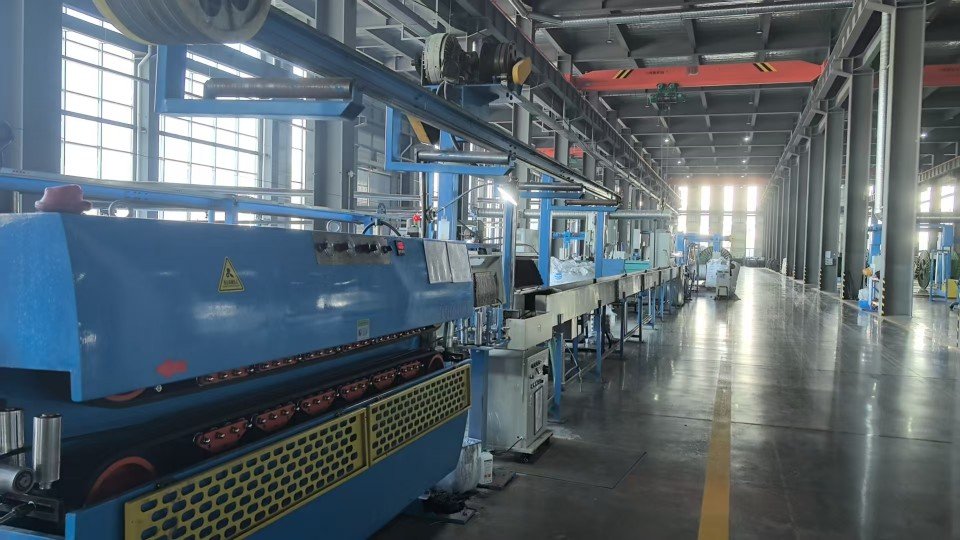
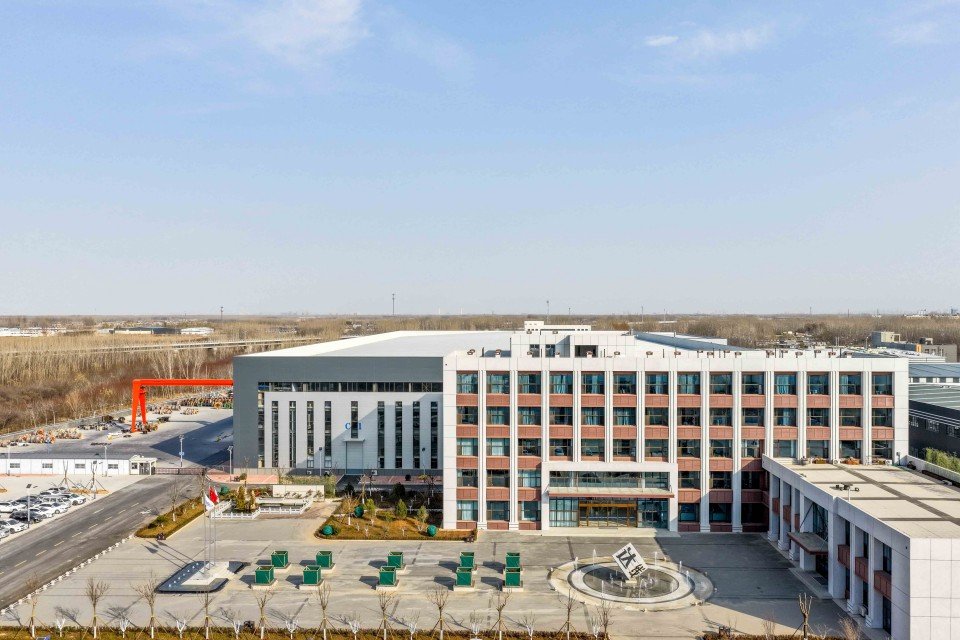
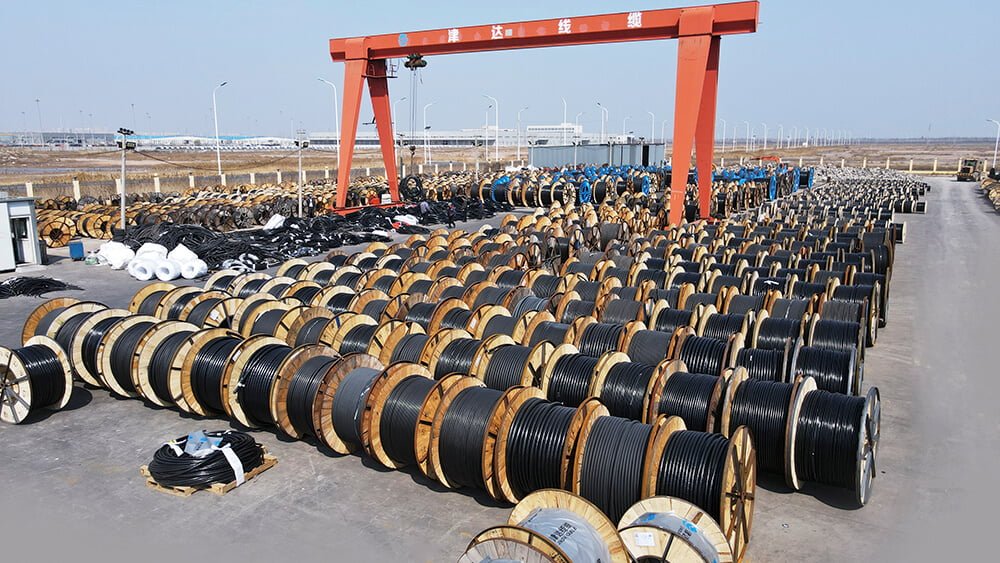
Behind every drum we ship sits a 38-year track record, five production bases under one MES system, and a documentation discipline that gets cables through customs without delays.
-
Every cable tested twice before shipping
Since 1987, our two-stage QC has been refined to a science: routine test on the production line, then full electrical and mechanical re-test before packing. Across 50+ export markets, our return rate stays under 0.3%.
-
Five production bases, 470,000 m², synced via MES
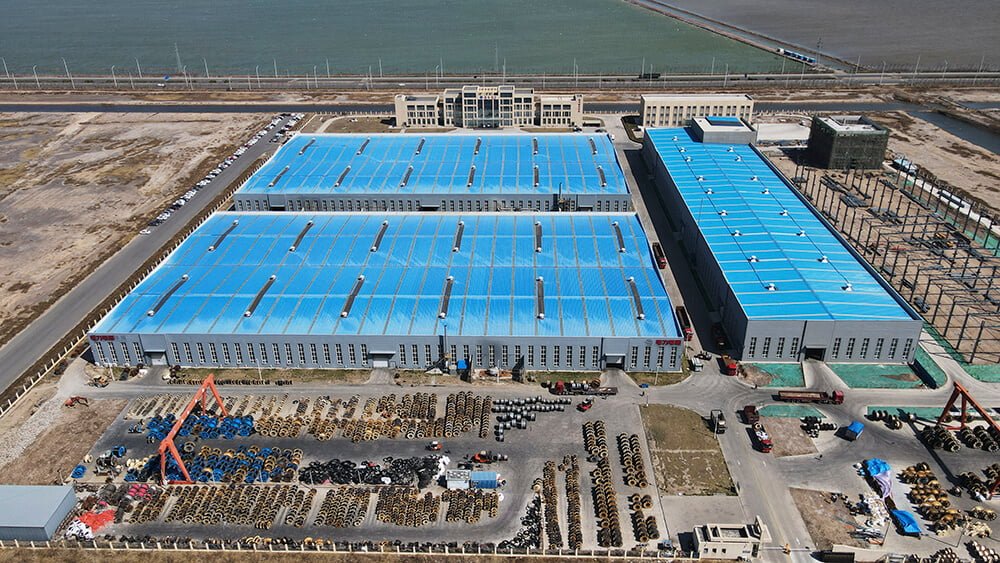
Tianjin, Liaoning, Heilongjiang, Shandong, and Xian — each base runs under one unified MES system. Same recipe, same protocols, same traceability, regardless of which plant ships your order.
-
3,000+ SKUs, custom configurations welcome
Standard sizes ship from inventory. Special voltage grades, color-coding, drum lengths, or armor configurations are routine — submit your spec and our team will quote the lead time honestly.
-
Trusted by EPC contractors in 50+ countries
We supply utilities, mining operators, port authorities, and large industrial OEMs across Europe, the Americas, Southeast Asia, the Middle East, and Africa.
-
Full paperwork shipped with every order
Every shipment includes factory test report, certificate of origin (COO), packing list, and bill of lading (B/L). Customer-nominated witness testing can be arranged before shipment.
Our Track Record
98.7%
On-time shipment rate (last 24 months)
< 0.3%
Return rate across export markets
25 days
Typical sea freight Tianjin → Rotterdam
100%
Shipments with routine test report attached
Logistics & Delivery
Packaging, Shipping & Documentation
What we handle on our side from production floor to the port of loading. Product-specific installation guidance is supplied with the datasheet that accompanies each order.
Packaging
- Wooden or steel drums per IEC 62004
- Coil packaging available for small cross-sections
- Standard drum lengths plus custom lengths on request
- Each drum labeled with type, voltage, cross-section, length, batch
- Waterproof wrapping for export shipments
- Cable ends sealed against moisture ingress
- Private-label / OEM packaging available under NDA
Shipping
- FCL / LCL sea freight, air freight on request
- Trade terms: EXW, FOB, CFR, CIF, DDP
- Ports of loading: Tianjin / Qingdao / Shanghai
- Typical sea freight to Rotterdam: 25 days
- Lead time confirmed at order acknowledgement
- Container loading photos sent before sailing
Documentation
- Factory routine test report (per applicable standard)
- Commercial invoice and packing list
- Certificate of origin (CO) — China Council, FORM A, FORM E available
- Bill of lading (B/L) — original or telex release
- Third-party inspection by SGS / BV / TÜV on request
- Customer-nominated witness testing arranged before shipment