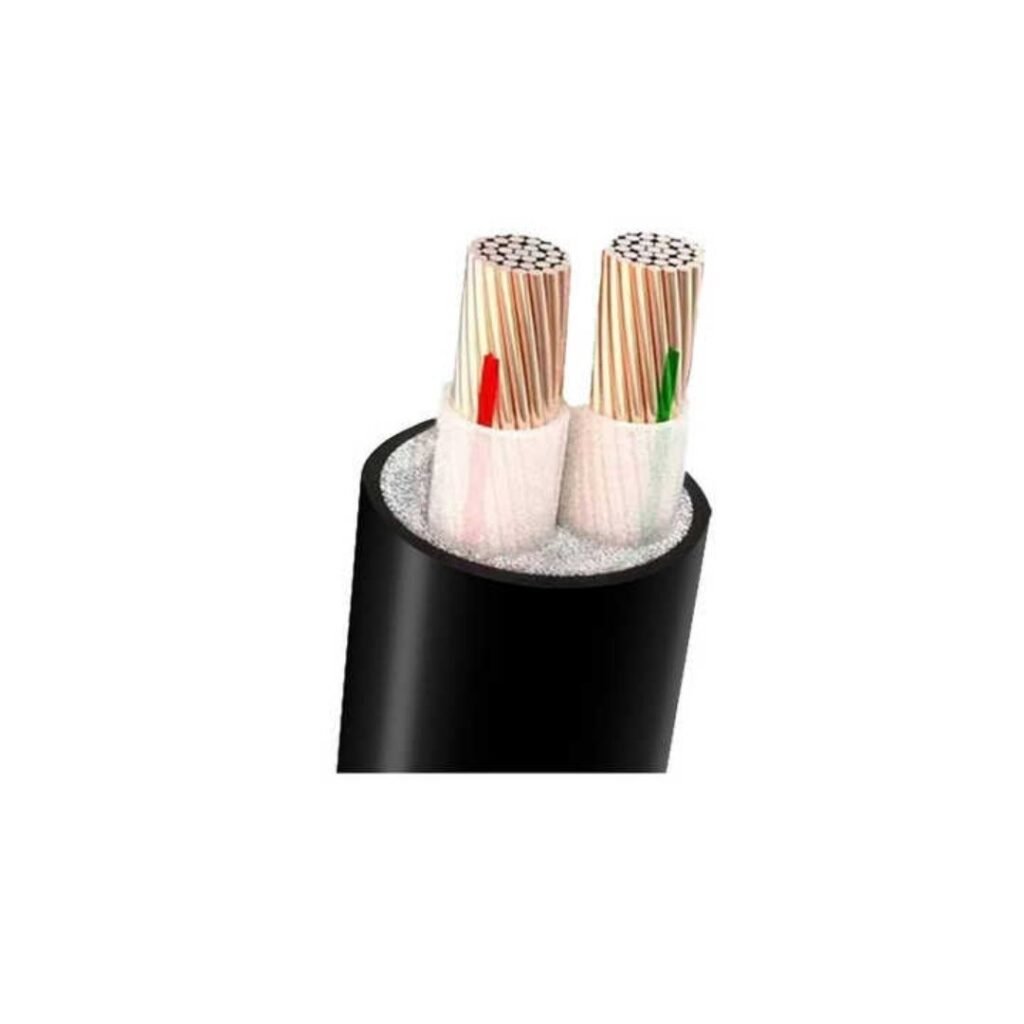
/ 26/35kV
Medium Voltage XLPE Insulated Power Cable
Model: YJV / MV Cable
Medium voltage XLPE insulated power cable engineered for stable and efficient power distribution systems up to medium voltage levels.
- Voltage Rating
- 26/35kV
- Number of Cores
- Array
- Cross Section
- 25–1000 mm²
- Conductor
- Copper Clad Aluminum
- Armoring
- Steel Tape Armored
- MOQ
- ≥ 100 m
Standards & Certifications
- IEC
Downloads
Specifications
Technical Specifications & Performance
Construction
- Model / Series
- YJV / MV Cable
- Voltage Rating
- 26/35kV
- Conductor Material
- Copper Clad Aluminum
- Conductor Class
- Class 2 Stranded
- Cross Section
- 25–1000 mm²
- Number of Cores
- Array
- Insulation
- XLPE
- Sheath
- PVC
- Armoring
- Steel Tape Armored
- MOQ
- ≥ 100 m
Performance
- Max. Conductor Temp.
- 90°C
- Min. Bending Radius
- 15 × Cable Outer Diameter
About This Product
The Main Distribution Cable for 6kV to 35kV Networks
Medium Voltage XLPE Insulated Power Cable is the standard underground and fixed-installation cable family for utility distribution networks, industrial plants, substations, renewable-energy collection systems, mining surface power, commercial campuses, and infrastructure projects. The common Chinese model names include YJV for copper conductor XLPE insulated PVC sheathed cable, YJY for PE sheathed cable, and YJV22 / YJV32 for armoured constructions. International buyers may specify equivalent families such as N2XSY, NA2XSY, N2XS2Y, N2XSEY, or project-specific IEC 60502-2 medium-voltage cable drawings.
This product is not a low-voltage 0.6/1kV building or power cable. It has a conductor screen, XLPE insulation, insulation screen, metallic screen, and sheath system designed to control electric stress at medium voltage. Typical rated voltages include 3.6/6kV, 6/10kV, 8.7/15kV, 12/20kV, 18/30kV, and, where the national standard and project specification require it, 26/35kV. IEC 60502-2 covers extruded-insulation power cables from 6kV up to Um 36kV; Chinese 35kV projects normally reference GB/T 12706.3 or the customer’s utility specification.
Jinda manufactures single-core and three-core MV XLPE cables with copper or aluminium conductors, copper tape or copper wire metallic screens, PVC / PE / LSZH sheaths, longitudinal water-blocking options, and steel tape or steel wire armour where mechanical protection is required. Because medium-voltage cable performance depends heavily on material cleanliness, extrusion quality, screen continuity, partial-discharge control, and factory testing, every order should be specified by voltage class, conductor material, screen type, sheath type, armour type, installation environment, and applicable standard.
Cable Structure
A Screened Cable System Built to Control Electric Stress
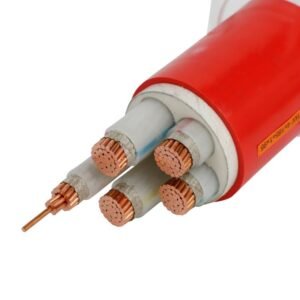
Medium-voltage XLPE cable is more than conductor plus insulation. The semi-conductive screens and metallic screen are essential: they smooth the electric field, discharge capacitive current, provide a fault-current path, and allow the cable to be safely terminated and jointed.
-
1
Conductor — Copper or Aluminium, Class 2 Compacted
Stranded compacted copper or aluminium conductor per IEC 60228 Class 2 is standard for MV power cables. Copper is selected where smaller conductor size, lower resistance, and higher short-circuit withstand are priorities. Aluminium is widely used for utility feeders and renewable projects where weight and cost matter.
-
2
Conductor Screen, XLPE Insulation, Insulation Screen
The conductor screen, XLPE insulation, and insulation screen are normally triple-extruded to reduce contamination and interface defects. XLPE gives a 90°C normal operating conductor temperature and strong dielectric performance. The semi-conductive screens are not optional decorative layers; they are central to electric-field control.
-
3
Metallic Screen — Copper Tape or Copper Wires
The metallic screen is usually copper tape, copper wires with counter-helix tape, or a design specified by the utility. It carries charging current and earth-fault current, supports safe sheath bonding design, and provides a controlled interface for joints and terminations. Screen cross-section must be matched to the earth-fault requirement.
-
4
Water Blocking, Armour, and Outer Sheath
Longitudinal water-blocking tape or powder can be added for wet soil or ducts. Armour may be steel tape, steel wire, or aluminium wire depending on single-core / three-core design and magnetic-loss constraints. The outer sheath is selected as PVC, PE, HDPE, or LSZH according to installation environment, fire requirement, and mechanical exposure.
Key Features
Engineered for Distribution Reliability, Not Simple Wiring
MV XLPE cable is purchased for long service life, stable dielectric performance, and predictable operation under network fault conditions. These features should be checked before comparing price.
Medium-Voltage Rated Insulation System
XLPE insulation, conductor screen, and insulation screen form a controlled dielectric system for 6kV to 35kV distribution networks. This is the key difference from low-voltage YJV or VV power cable.
Factory Partial-Discharge Testing
Routine testing normally includes voltage withstand and partial-discharge checks according to the applicable standard. Low partial discharge at factory test is essential for MV cable reliability because insulation defects grow under electric stress.
Copper or Aluminium Conductor Options
Copper versions such as YJV / N2XSY are selected for compact routes and lower resistance. Aluminium versions such as YJLV / NA2XSY reduce cable weight and cost, especially for long feeders and renewable energy collection networks.
Screen and Sheath Customisation
Copper tape screen, copper wire screen, water-blocked screen, PVC sheath, PE sheath, HDPE sheath, and LSZH sheath options are available to match utility, industrial, mining, tunnel, and offshore-support specifications.
Single-Core and Three-Core Designs
Single-core cables are common for utility feeders and large projects. Three-core cables simplify laying and phase management in some industrial and distribution applications. Armour and bonding decisions differ between the two constructions.
Long Project Lengths and Drum Supply
MV cables are supplied on engineered drums with length, weight, bending radius, transport route, and installation equipment considered at quotation stage. Drum planning is part of the technical supply, not just packaging.
How to Choose
Eight Decisions Before Ordering MV XLPE Cable
Medium-voltage cable selection should be based on the network voltage, fault level, installation environment, earthing method, and accessory system. A correct enquiry is much more than “10kV cable price”.
Confirm voltage class and system Um
Specify the rated voltage using U0/U and Um, such as 6/10(12)kV, 8.7/15(17.5)kV, 12/20(24)kV, or 18/30(36)kV. For 26/35kV or Um 40.5kV projects, specify the national standard or utility technical specification explicitly.
Choose copper or aluminium conductor
Copper gives lower resistance and smaller conductor size for the same current. Aluminium reduces weight and cost for long routes. The final choice should consider current rating, voltage drop, short-circuit rating, pulling tension, termination compatibility, and project economics.
Select conductor cross-section by load and fault level
MV conductor size is governed by continuous current, emergency loading, soil or air thermal conditions, voltage drop, short-circuit withstand, and utility practice. Do not select only by transformer capacity; route thermal conditions and fault duration can change the required size.
Define metallic screen type and area
Copper tape screen may be enough for many distribution cables. Copper wire screen is common in European N2XSY / NA2XSY families and may provide higher earth-fault capacity. The screen area must match the network fault current and bonding arrangement.
Choose sheath material for the route
PVC sheath is economical for many indoor and general routes. PE or HDPE is preferred for buried, wet, or abrasion-prone environments. LSZH sheath is selected for tunnels, buildings, stations, and public infrastructure where smoke and halogen emissions are restricted.
Decide armour and water-blocking
Armour is used where mechanical protection or pulling strength is required. For single-core AC cables, non-magnetic armour is often required to avoid excessive circulating losses. Water-blocking is important for wet ducts, direct burial, and long routes where water migration would increase repair scope.
Coordinate joints, terminations, and bonding
The cable design must match the accessory system. Confirm insulation diameter, screen construction, sheath material, bonding method, and earthing box requirements before production. MV cable accessories are not interchangeable in the casual way low-voltage lugs sometimes are.
Plan drums, route, and testing documents
MV cable orders should include drum length, maximum drum weight, pulling direction, route sections, factory routine test reports, type-test references, packing list, and any third-party inspection requirements. Long routes often need drum-by-drum length planning before manufacture.
Applications
Where MV XLPE Power Cable Is Used
Medium-voltage XLPE cables carry power between substations, transformers, switchgear, industrial plants, and renewable generation units. The cable is usually installed as part of an engineered distribution system, not as a standalone commodity wire.
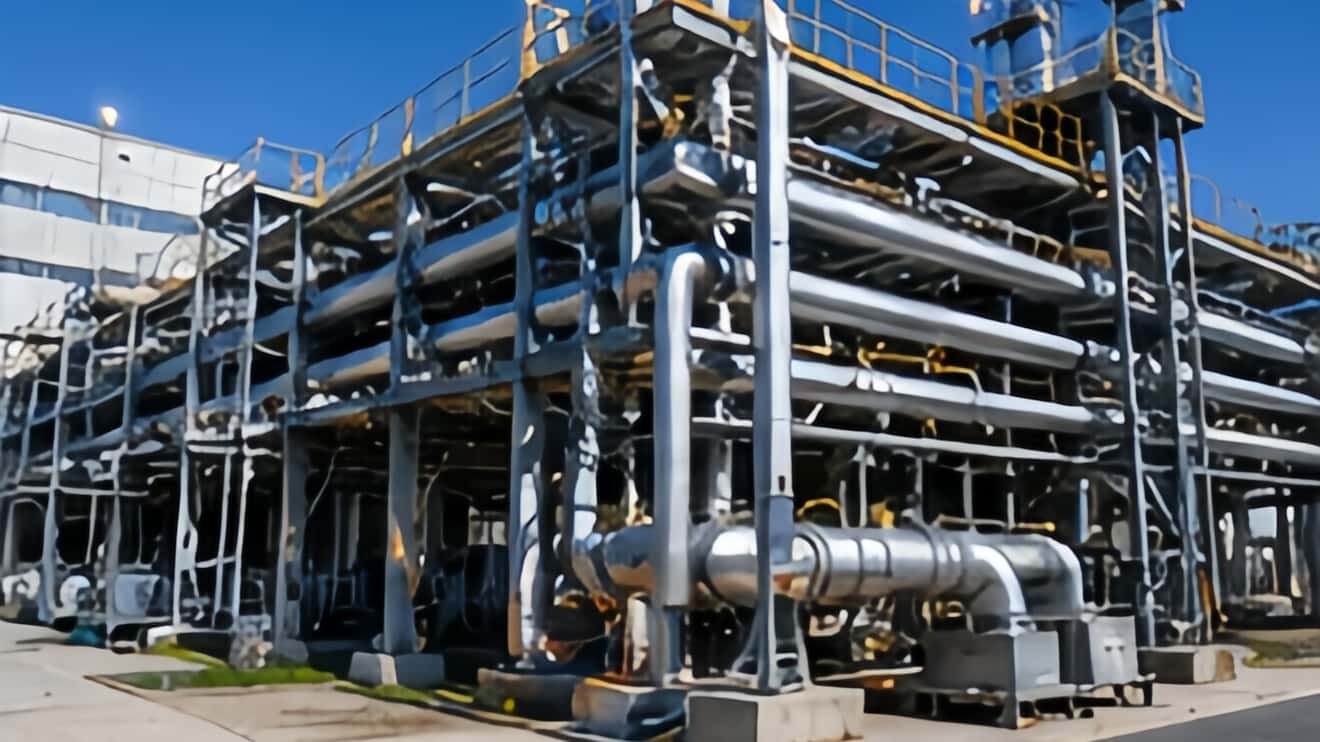
Utility Distribution Networks
Underground feeders between primary substations, ring main units, transformers, and distribution switchgear. Single-core aluminium or copper cables are common depending on utility standard and route length.
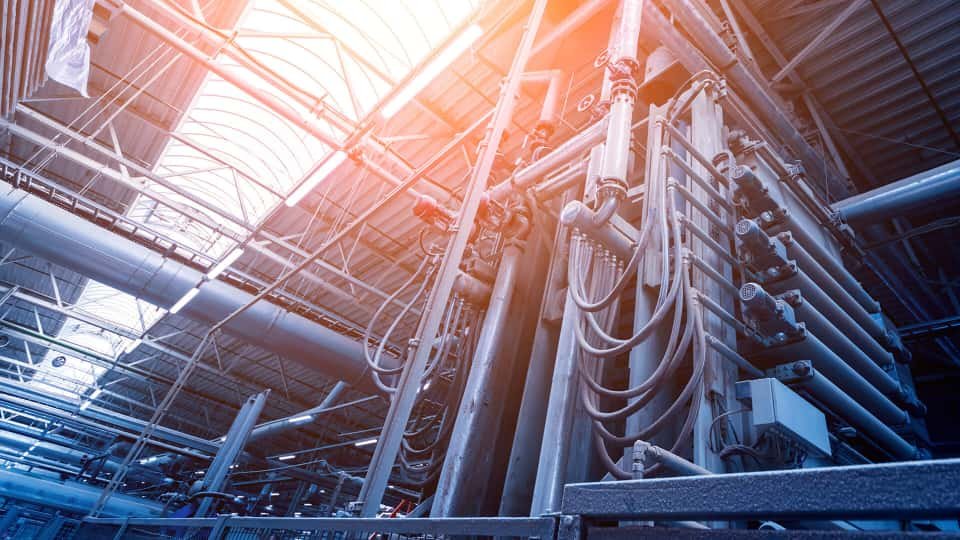
Industrial Plants and Mines
Power feeders for steel plants, chemical facilities, cement plants, mines above ground, refineries, ports, and large manufacturing sites. Armour, PE sheath, or LSZH sheath may be selected by environment.
Solar and Wind Collection Systems
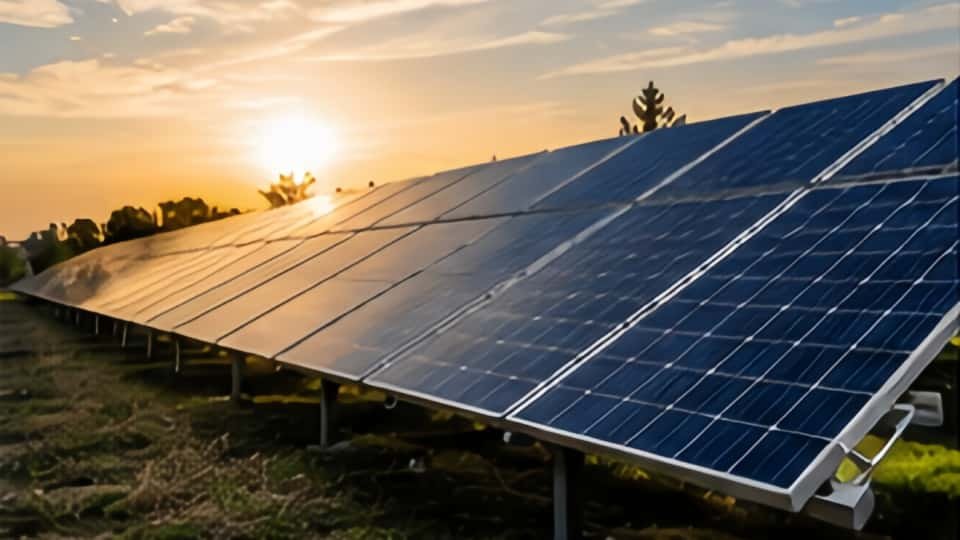
MV collector circuits from inverter stations, transformer stations, and wind turbine step-up transformers to the project substation. Aluminium conductor and water-blocked PE sheath are common in large renewable sites.

Infrastructure and Campuses
Airports, rail systems, metro depots, hospitals, data centres, universities, commercial campuses, and municipal facilities where MV feeders link substations and large load centres.
Not appropriate for: Low-voltage 0.6/1kV feeders, building final circuits, portable equipment, drag chains, overhead bare conductors, submarine cables, extra-high-voltage transmission, or circuits requiring fire-survival performance without a dedicated fire-resistant construction. Use low-voltage YJV / VV, flexible rubber cable, overhead conductor, submarine cable, IEC 60840 high-voltage cable, or fire-resistant cable according to the project.
Technical Data
MV XLPE Cable Reference Data
The table below gives practical ordering references, not final ampacity. Current rating must be calculated from conductor material, installation method, soil thermal resistivity, ambient temperature, grouping, screen bonding, and permissible conductor temperature.
| Rated Voltage | Common Network | Typical Standard | Typical Model Examples | Notes |
|---|---|---|---|---|
| 3.6/6(7.2) kV | 6 kV systems | IEC / GB project standard | YJV, YJY, N2XSY | Smaller industrial networks |
| 6/10(12) kV | 10 kV systems | IEC 60502-2 / GB/T 12706.2 | YJV, YJV22, NA2XSY | Common utility distribution class |
| 8.7/15(17.5) kV | 15 kV systems | IEC 60502-2 / utility spec | YJV, N2XSY, N2XSEY | Industrial and regional distribution |
| 12/20(24) kV | 20 kV systems | IEC 60502-2 / EN / utility spec | N2XSY, NA2XSY, YJY | Common European MV level |
| 18/30(36) kV | 30 kV systems | IEC 60502-2 | N2XSY, NA2XSY, YJV | Upper IEC 60502-2 range |
| 26/35 kV | 35 kV systems | GB/T 12706.3 or utility spec | YJV, YJY, YJV22 | Confirm Um and national standard |
| Conductor Section | Typical Conductor Class | Copper DC Resistance at 20°C | Aluminium DC Resistance at 20°C | Typical Use |
|---|---|---|---|---|
| 35 mm² | IEC 60228 Class 2 | 0.524 Ω/km | 0.868 Ω/km | Small MV feeders |
| 70 mm² | IEC 60228 Class 2 | 0.268 Ω/km | 0.443 Ω/km | Industrial distribution |
| 120 mm² | IEC 60228 Class 2 | 0.153 Ω/km | 0.253 Ω/km | Utility and campus feeders |
| 240 mm² | IEC 60228 Class 2 | 0.0754 Ω/km | 0.125 Ω/km | High-capacity MV feeders |
| 400 mm² | IEC 60228 Class 2 | 0.0470 Ω/km | 0.0778 Ω/km | Large utility circuits |
| 630 mm² | IEC 60228 Class 2 | 0.0283 Ω/km | 0.0469 Ω/km | Very large MV feeders |
Resistance values are reference IEC 60228 conductor limits for Class 2 copper and aluminium at 20°C. They are not current ratings. Final design must use project conditions and a recognised ampacity calculation method.
Typical XLPE operating temperature is 90°C in normal service, with short-circuit temperature commonly 250°C for 5 seconds where the standard and design permit. Confirm all thermal limits against the ordered standard and accessory system.
Comparison
Positioning MV XLPE Cable in the Power Cable Range
The phrase XLPE power cable can describe very different products. Medium-voltage cable must be distinguished from low-voltage power cable, high-voltage cable, overhead conductors, and flexible mining or rubber cables.
| Attribute | MV XLPE Cable | LV XLPE Cable | HV XLPE Cable | Overhead Conductor | Rubber Flexible MV Cable |
|---|---|---|---|---|---|
| Typical voltage | 3.6/6 to 26/35 kV | 0.6/1 kV | Above Um 36 kV | Bare or covered overhead systems | Mining and mobile MV systems |
| Screening | Conductor screen, insulation screen, metallic screen | Usually no electric-stress screen | Advanced screen and sheath bonding system | No comparable cable screen | Flexible screened rubber design |
| Main use | Underground and fixed MV distribution | Low-voltage feeders and final distribution | Transmission and major grid links | Overhead lines | Trailing, mining, and mobile equipment power |
| Typical standard | IEC 60502-2, GB/T 12706.2/3 | IEC 60502-1, GB/T 12706.1 | IEC 60840 / IEC 62067 | IEC / ASTM / utility conductor specs | Mining or rubber cable standards |
| When to avoid | Moving equipment, overhead spans, HV transmission | Any medium-voltage circuit | Ordinary 10kV / 20kV distribution where MV cable is enough | Underground or touch-safe routes | Fixed buried feeders where XLPE cable is more appropriate |
Choose MV XLPE cable when
The project is a fixed medium-voltage feeder, underground distribution route, substation connection, renewable collector circuit, or industrial MV power network. It is the standard choice for long-life fixed MV distribution where flexibility is not required.
Choose another product when
Use low-voltage YJV for 0.6/1kV circuits, IEC 60840 / IEC 62067 cable for higher voltage transmission, overhead conductors for pole-line distribution, and flexible rubber or mining MV cable for mobile machines, trailing applications, and repeated movement.
Frequently Asked Questions
Common Questions About MV XLPE Power Cable
Is YJV always medium-voltage?
No. YJV is a construction code for XLPE insulated PVC sheathed power cable, and it can appear in low-voltage and medium-voltage contexts. The voltage grade defines the cable class. A 0.6/1kV YJV is low-voltage cable; a 8.7/15kV or 12/20kV YJV is medium-voltage cable and includes screens and MV test requirements.
What is the difference between copper tape screen and copper wire screen?
Copper tape screen is common in many IEC / Chinese cable designs and is economical for standard distribution networks. Copper wire screen, common in N2XSY / NA2XSY families, can provide a defined screen cross-section and may be preferred where earth-fault capacity, bonding, or European-style accessory systems require it. The correct choice depends on the project fault level and standard.
Should I choose PVC sheath, PE sheath, or LSZH sheath?
PVC sheath is economical and common for many general routes. PE or HDPE sheath gives better moisture and abrasion resistance for buried or wet routes. LSZH sheath is used in tunnels, stations, buildings, and public infrastructure where smoke density and halogen acid gas are restricted. The sheath choice should match both installation environment and fire strategy.
Can single-core MV cable be armoured with steel wire?
For AC single-core cables, magnetic steel armour can create excessive losses and heating. Non-magnetic armour such as aluminium wire is often used when single-core armour is required. Three-core cables can use steel tape or steel wire armour more commonly. The armour selection must be checked against the electrical design, not only the mechanical route.
What tests are important for MV XLPE cable?
Factory routine testing normally includes conductor resistance, voltage withstand, partial-discharge measurement, and sheath tests according to the ordered standard. Type tests and sample tests may include heating-cycle voltage tests, impulse tests, insulation thickness checks, screen resistance, and mechanical or water-blocking tests. For installed circuits, VLF or AC withstand testing may be specified by the commissioning standard.
What information should I include in an enquiry?
Please provide voltage class, conductor material and size, single-core or three-core construction, screen type and area, sheath material, armour requirement, water-blocking requirement, installation environment, drum length, standard, and testing documents. A clear example is: N2XSY / YJV 12/20(24)kV 1 x 240 mm² copper, copper wire screen 25 mm², PVC sheath, IEC 60502-2, 500 m drums, routine test report and type-test reference required.
Installation & Handling Tips
Six Practices That Protect MV Cable Reliability
MV cable failures often begin with installation damage, poor accessory workmanship, or incorrect bonding. The practices below help preserve factory quality through transport, laying, jointing, and commissioning.
Respect minimum bending radius
Do not force MV cable around tight corners or small rollers. Excessive bending can damage insulation screens, metallic screens, sheath, and armour. Use pulling rollers and route planning that meet the cable datasheet bending radius.
Control pulling tension and sidewall pressure
Long duct routes need calculated pulling tension and sidewall pressure. Use suitable pulling heads, swivels, lubricants, and winch control. Do not pull by the sheath alone unless the cable design and method statement allow it.
Keep cable ends sealed
Moisture ingress through open cable ends can compromise screens, water-blocking, and accessory preparation. Keep factory end caps intact during storage and reseal cut ends immediately on site.
Use trained jointers and approved accessories
MV joints and terminations require controlled screen cutback, insulation preparation, stress control, cleanliness, and torque. Use compatible accessories and trained jointers; a poor termination can fail even when the cable itself is excellent.
Plan screen bonding before installation
Single-point bonding, both-end bonding, and cross-bonding create different sheath voltage and circulating current behaviour. The bonding plan must be engineered before ordering link boxes, earthing leads, and accessories.
Commission with the correct test method
Modern XLPE cable should be tested according to the applicable commissioning standard and utility requirement. Avoid inappropriate DC testing unless specifically permitted; VLF, AC withstand, sheath testing, and partial-discharge diagnostics may be specified depending on the project.
Safety note: Medium-voltage cable design and installation must be handled by qualified electrical engineers and certified MV jointers. Cable size, fault rating, bonding, accessories, protection settings, earthing, route thermal calculation, and commissioning tests must follow the applicable utility and national standards.
Manufacturing Capability
Why Source From Jinda Cable
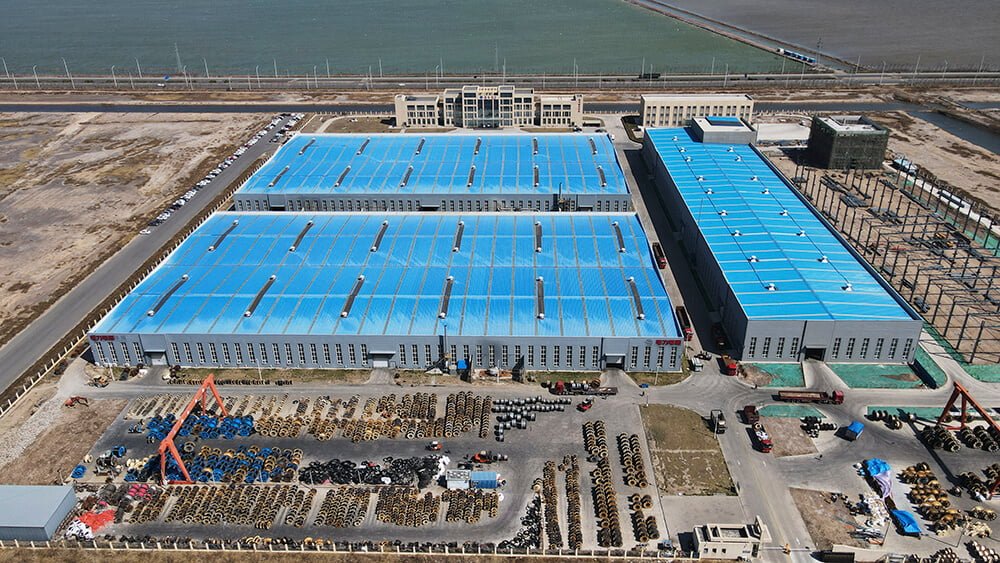
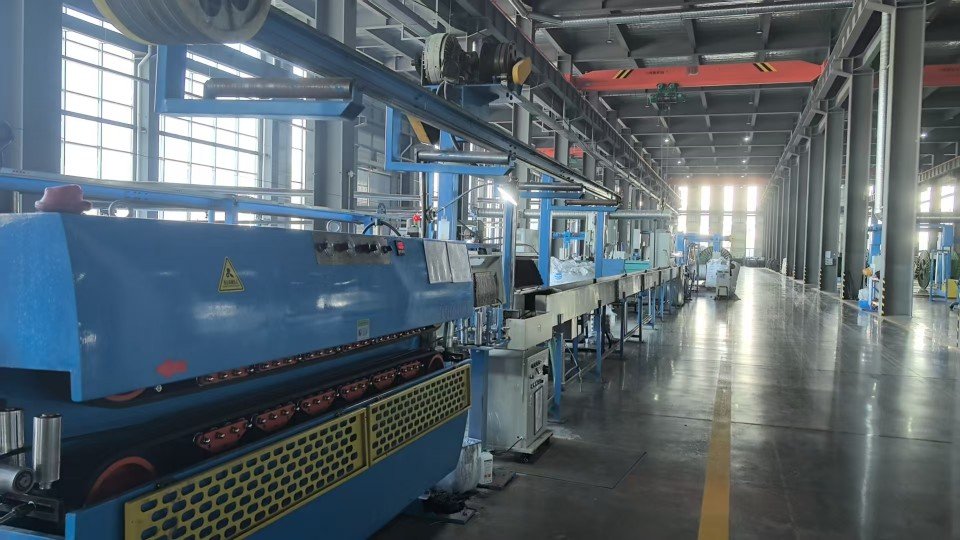
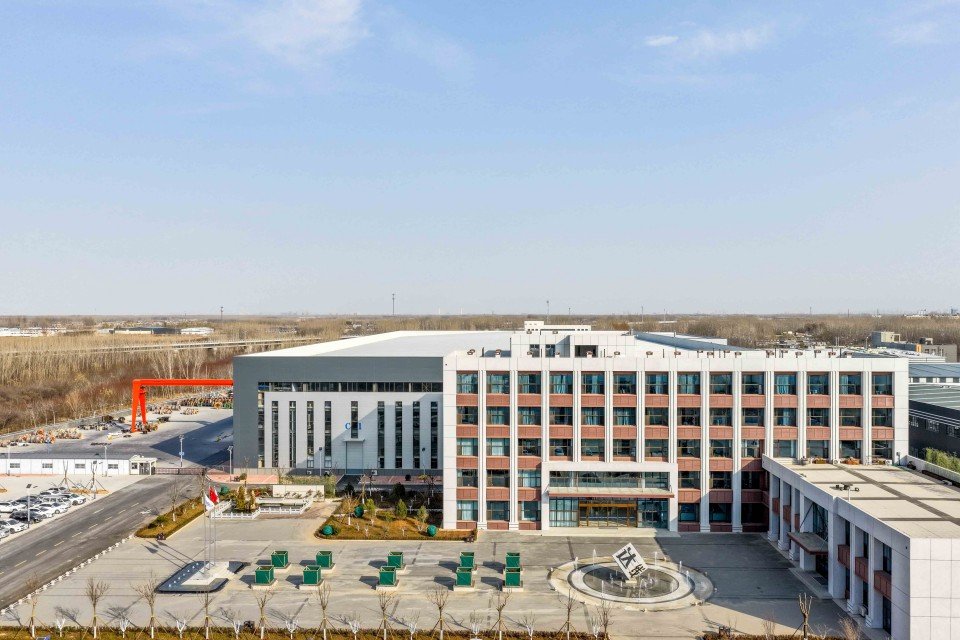
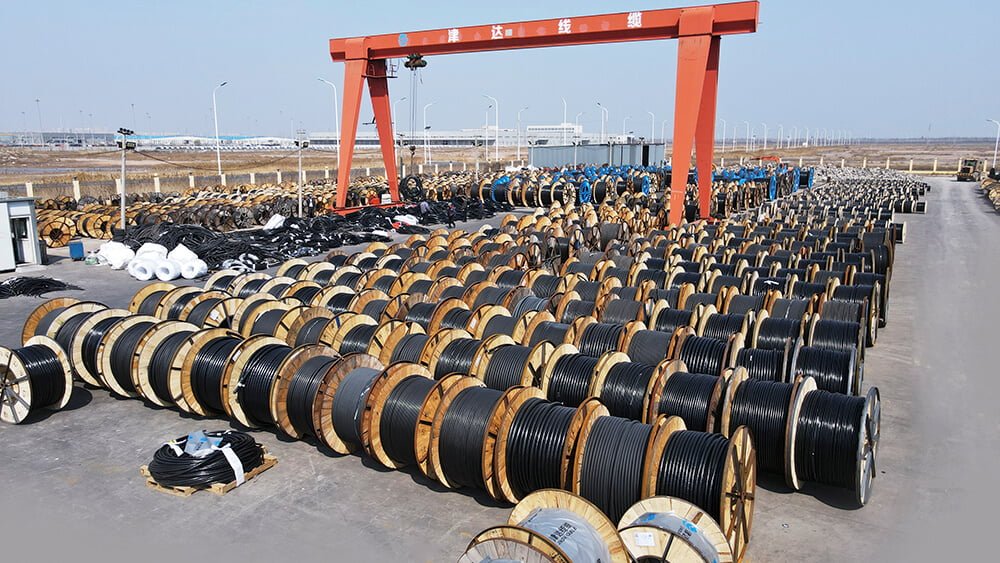
Behind every drum we ship sits a 38-year track record, five production bases under one MES system, and a documentation discipline that gets cables through customs without delays.
-
Every cable tested twice before shipping
Since 1987, our two-stage QC has been refined to a science: routine test on the production line, then full electrical and mechanical re-test before packing. Across 50+ export markets, our return rate stays under 0.3%.
-
Five production bases, 470,000 m², synced via MES
Tianjin, Liaoning, Heilongjiang, Shandong, and Xian — each base runs under one unified MES system. Same recipe, same protocols, same traceability, regardless of which plant ships your order.
-
3,000+ SKUs, custom configurations welcome
Standard sizes ship from inventory. Special voltage grades, color-coding, drum lengths, or armor configurations are routine — submit your spec and our team will quote the lead time honestly.
-
Trusted by EPC contractors in 50+ countries
We supply utilities, mining operators, port authorities, and large industrial OEMs across Europe, the Americas, Southeast Asia, the Middle East, and Africa.
-
Full paperwork shipped with every order
Every shipment includes factory test report, certificate of origin (COO), packing list, and bill of lading (B/L). Customer-nominated witness testing can be arranged before shipment.
Our Track Record
98.7%
On-time shipment rate (last 24 months)
< 0.3%
Return rate across export markets
25 days
Typical sea freight Tianjin → Rotterdam
100%
Shipments with routine test report attached
Logistics & Delivery
Packaging, Shipping & Documentation
What we handle on our side from production floor to the port of loading. Product-specific installation guidance is supplied with the datasheet that accompanies each order.
Packaging
- Wooden or steel drums per IEC 62004
- Coil packaging available for small cross-sections
- Standard drum lengths plus custom lengths on request
- Each drum labeled with type, voltage, cross-section, length, batch
- Waterproof wrapping for export shipments
- Cable ends sealed against moisture ingress
- Private-label / OEM packaging available under NDA
Shipping
- FCL / LCL sea freight, air freight on request
- Trade terms: EXW, FOB, CFR, CIF, DDP
- Ports of loading: Tianjin / Qingdao / Shanghai
- Typical sea freight to Rotterdam: 25 days
- Lead time confirmed at order acknowledgement
- Container loading photos sent before sailing
Documentation
- Factory routine test report (per applicable standard)
- Commercial invoice and packing list
- Certificate of origin (CO) — China Council, FORM A, FORM E available
- Bill of lading (B/L) — original or telex release
- Third-party inspection by SGS / BV / TÜV on request
- Customer-nominated witness testing arranged before shipment
Related Products