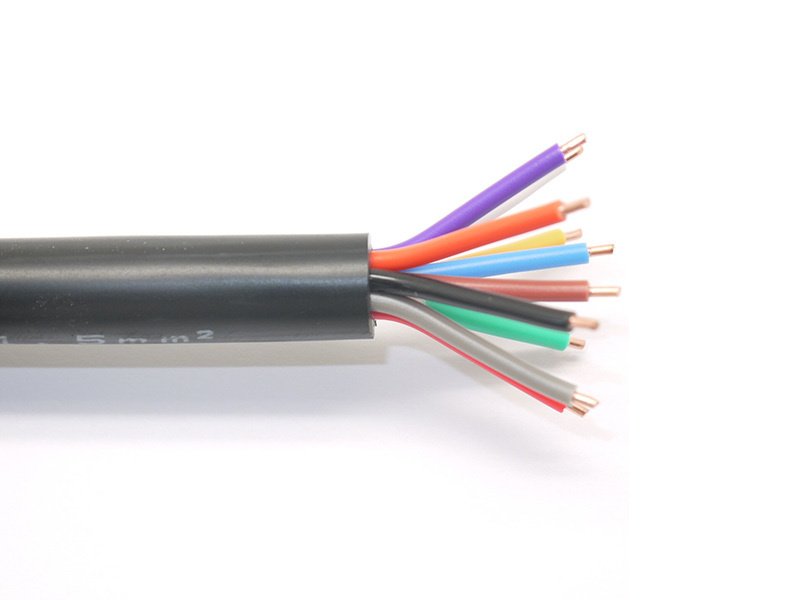
/ 450/750V
PVC Insulated Control Cable
Model: KVV / Control Cable
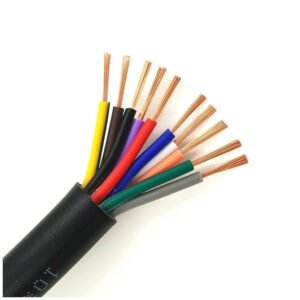
PVC insulated control cable used for signal transmission, monitoring, and control circuits in industrial automation systems.
- Voltage Rating
- 450/750V
- Number of Cores
- Array
- Cross Section
- 0.75–10 mm²
- Conductor
- Copper
- Armoring
- Unarmored
- MOQ
- ≥ 100 m
Standards & Certifications
- GB/T
- GB/T 9330
Downloads
Specifications
Technical Specifications & Performance
Construction
- Model / Series
- KVV / Control Cable
- Voltage Rating
- 450/750V
- Conductor Material
- Copper
- Conductor Class
- Class 2 Stranded
- Cross Section
- 0.75–10 mm²
- Number of Cores
- Array
- Insulation
- PVC
- Sheath
- PVC
- Armoring
- Unarmored
- MOQ
- ≥ 100 m
Performance
- Max. Conductor Temp.
- 70°C
- Min. Bending Radius
- 10 × Cable Outer Diameter
About This Product
450/750V PVC Control Cable for Monitoring, Protection, and Command Circuits
PVC Insulated Control Cable is the standard multi-core cable family used for control, monitoring, signalling, interlock, relay, metering, and protection circuits in industrial plants, utilities, substations, buildings, and process equipment. In the Chinese control-cable system, the basic unarmoured PVC-insulated and PVC-sheathed type is KVV; related versions include KVVP screened control cable, KVVR flexible control cable, KVVRP flexible screened control cable, and KVV22 steel tape armoured control cable.
The normal voltage class for this family is 450/750V, with construction commonly referenced to GB/T 9330 for plastic insulated control cables. International projects may also ask for IEC 60227, IEC 60502-1, BS 5308, or customer-specific requirements, but those references are not automatically interchangeable. The safest export specification is to state the required standard, model, conductor class, core count, cross-section, screen or armour requirement, flame rating, sheath compound, and documentation.
Unlike YY / H05VV5-F flexible control cable, standard KVV is primarily a fixed installation control cable. It is selected where the cable will be laid in trays, ducts, conduits, tunnels, or equipment rooms and will not be continuously flexed. For electrical noise, select a screened variant such as KVVP. For mechanical protection, select KVV22 or another armoured type. For repeated movement, use KVVR or a purpose-built flexible cable rather than fixed KVV.
Cable Structure
Copper Conductors, PVC Insulation, Multi-Core Lay-Up, Optional Screen or Armour
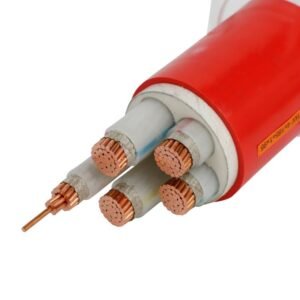
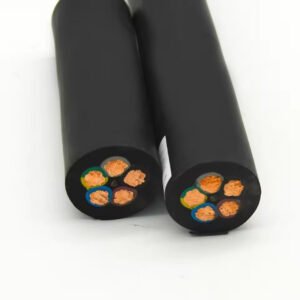
PVC insulated control cable is a modular family. The basic KVV construction is copper conductor + PVC insulation + laid-up cores + PVC sheath. Shielded, flexible, and armoured variants add the required protection while keeping the same control-circuit purpose.
-
1
Conductors — Copper, Fixed or Flexible by Model
Standard KVV usually uses solid or stranded copper conductors suitable for fixed installation. KVVR uses flexible copper conductors for equipment connection and occasional movement. Conductor class should be written into the order because fixed and flexible versions are not the same product.
-
2
Insulation — PVC for Control Circuits
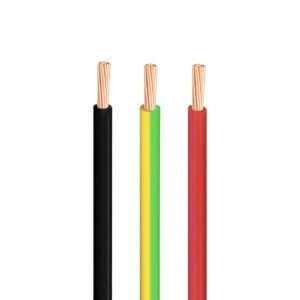
Each conductor is insulated with PVC compound suitable for the rated control-circuit voltage. Core identification may be numbered, colour-coded, or produced to customer wiring standards. Temperature class and flame-retardant grade depend on the specified compound and standard.
-
3
Core Lay-Up — Multi-Core Control Format
Insulated cores are laid up in layers to create a compact multi-core cable. Common core counts range from small relay-control cables to high-core-count protection and signalling cables. Fillers and wrapping tapes may be used to maintain roundness and improve sheath extrusion quality.
-
4
Screen, Armour, and Sheath — Selected by Environment
The basic sheath is PVC. KVVP adds copper wire braid or copper tape screening for interference reduction. KVV22 adds steel tape armour for mechanical protection in direct-buried or higher-risk fixed routes. Flame-retardant, low-smoke halogen-free, oil-resistant, cold-resistant, or UV-resistant sheaths can be quoted when the installation requires them.
Key Features
Reliable Fixed Control Wiring With Clear Variant Choices
The advantage of the KVV control-cable family is that the buyer can specify the exact protection level: unarmoured, screened, flexible, armoured, flame-retardant, or low-smoke. The base product remains a practical 450/750V control cable for command and protection circuits.
450/750V Control-Circuit Rating
KVV / KVVP / KVVR control cables are commonly specified for AC rated voltage 450/750V and below in control, monitoring, and protection circuits. They are not intended to replace medium-voltage or low-voltage power feeder cables.
Wide Core Count Range
Control projects often require many conductors for relay logic, alarms, interlocks, metering, and protection signals. PVC insulated control cables can be supplied in low and high core counts, with numbered or colour-coded core identification to suit drawings.
Screened Variants for Interference Control
KVVP or KVVRP variants add copper screening when the control circuit is exposed to electromagnetic interference. The screen is for signal integrity and noise reduction; it is not a substitute for the protective earth conductor.
Armoured Options for Fixed Routes
KVV22 steel tape armoured cable is used where fixed control cables need extra mechanical protection in trenches, ducts, tunnels, or plant areas. For flexible routes, do not choose steel tape armour; select the correct flexible or protected construction.
GB/T 9330 Documentation
The Chinese export specification commonly references GB/T 9330 for plastic insulated control cables. For overseas projects, factory test reports, conductor checks, flame test records, third-party inspection, and customer-specific declarations can be supplied on request.
Cost-Effective PVC Construction
PVC insulation and sheath keep the cable economical for large control projects while still providing reliable electrical insulation and normal indoor industrial protection. Where low-smoke, halogen-free, oil-resistant, or outdoor performance is needed, specify the compound explicitly.
How to Choose
Six Decisions Before Ordering PVC Insulated Control Cable
PVC insulated control cable is ordered by model and construction. The right choice depends on installation route, interference risk, mechanical protection, conductor flexibility, flame requirement, and project documentation.
Confirm the circuit type and voltage
Use this cable family for control, monitoring, signalling, protection, relay, and interlock circuits at 450/750V and below. For power distribution feeders, instrumentation pairs, fieldbus, or VFD motor output, choose the dedicated cable type instead.
Choose KVV, KVVP, KVVR, or KVV22
KVV is the basic fixed unarmoured type. KVVP adds screening for interference control. KVVR uses flexible conductors. KVVRP combines flexible conductors and screen. KVV22 adds steel tape armour for fixed routes with mechanical risk.
Select core count and cross-section
Common control sizes include 0.75, 1.0, 1.5, 2.5, 4, 6, and 10 mm², with core counts selected from the terminal schedule. Smaller sections suit signal and relay circuits; larger sections are used where control power, voltage drop, or protection requirements demand it.
Decide whether screening is required
If the cable carries sensitive control or measuring signals near power cables, drives, contactors, or switching equipment, specify KVVP or KVVRP. For electrically quiet relay and command circuits, unshielded KVV may be sufficient and more economical.
Match protection to the route
Cable trays, cabinets, and conduits normally use unarmoured KVV. Trenches, tunnels, or routes with mechanical risk may need KVV22 or another armoured type. Outdoor UV exposure, oil, chemical exposure, low temperature, and rodent risk require specific sheath compounds or additional protection.
State flame grade and documents
Specify ordinary PVC, flame-retardant ZR/ZC, fire-resistant NH, or low-smoke halogen-free WDZ only when the project requires it. Ask for GB/T 9330 documentation, factory test report, conductor resistance records, packing list, COO, and any third-party inspection before shipment.
Applications
Where PVC Insulated Control Cable Is Used
This cable family is designed for control and protection systems rather than load-carrying power feeders. It is especially common in fixed routes where many small control conductors must run between cabinets, field devices, and protection equipment.
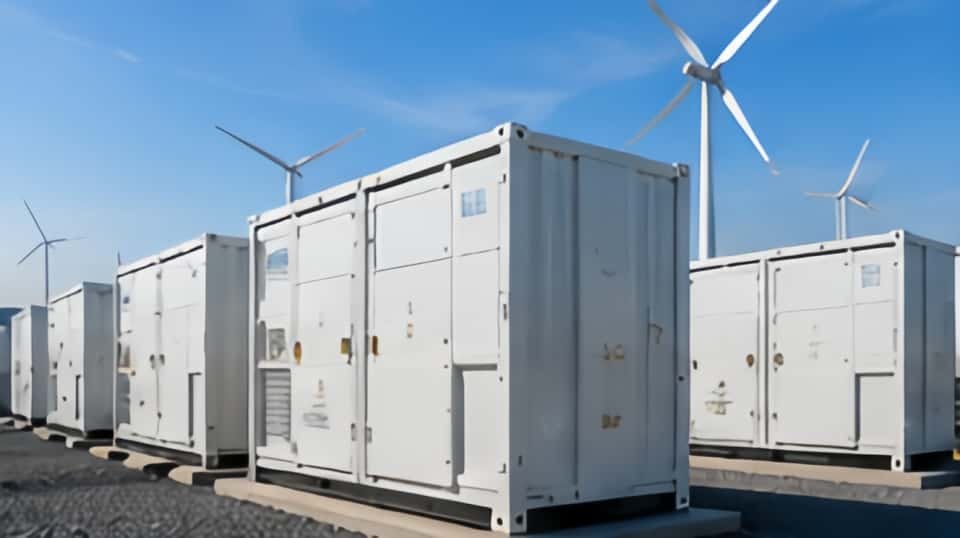
Substations & Protection Panels
Relay protection, breaker control, signalling, alarms, metering, and remote-control circuits in substations and power distribution rooms. Screened variants are used where interference risk is higher.
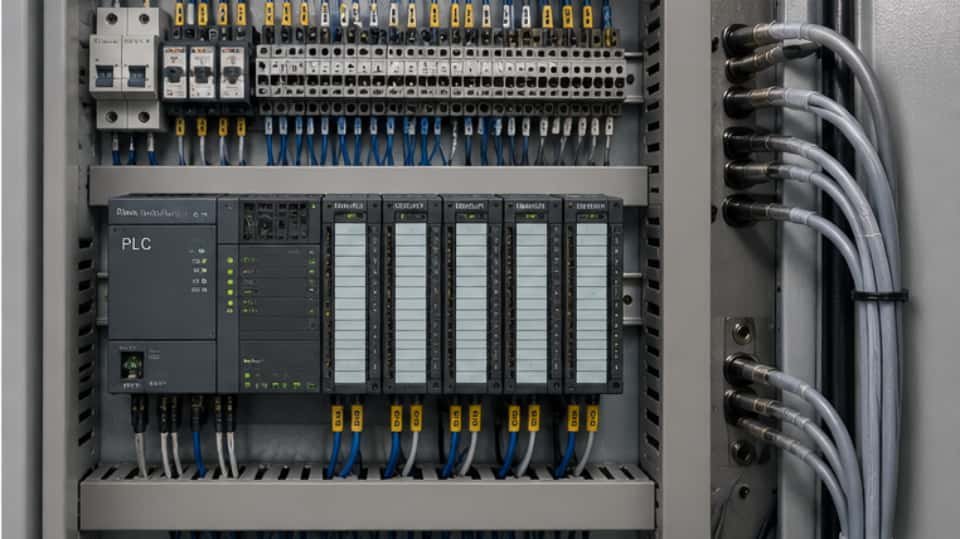
Industrial Control Rooms
Control cabinets, MCC rooms, terminal boxes, PLC relay outputs, command circuits, and interlock wiring in factories, mines, water plants, process plants, and utility facilities.
Cable Trays, Ducts & Tunnels
Fixed control-cable routes in trays, ducts, conduits, and cable tunnels. KVV suits protected routes; KVV22 or other armoured variants are selected where mechanical impact or compression risk is present.
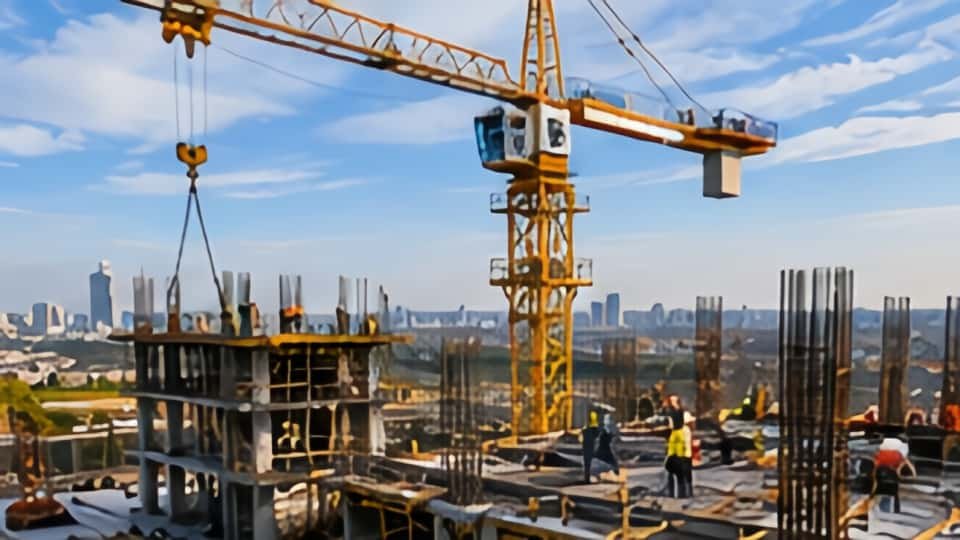
Building Services & Infrastructure
Pump rooms, HVAC control panels, fire pump controls, water treatment systems, transport facilities, and infrastructure equipment where fixed control circuits need economical multi-core cabling.
Not appropriate for: Main power distribution feeders above the control-cable rating, continuous flexing machines, VFD motor output, data bus systems with impedance requirements, high-temperature fire survival circuits unless NH fire-resistant construction is specified, or outdoor direct exposure unless the sheath and installation protection are designed for that environment.
Technical Data
PVC Insulated Control Cable Model Reference
The table below is a practical selection guide. Exact conductor class, OD, weight, screen construction, armour dimensions, current capacity, and bending radius must follow the issued datasheet and applicable project standard.
| Item | Typical Specification | Engineering Note |
|---|---|---|
| Main models | KVV, KVVP, KVVR, KVVRP, KVV22, KVV32 | Model code defines fixed/flexible, screened, and armoured construction. |
| Rated voltage | 450/750V typical | Use only within the control-circuit voltage class. |
| Conductor | Copper; fixed or flexible depending on model | KVV fixed installation and KVVR flexible versions are not interchangeable. |
| Cross-section | 0.75 to 10 mm² common for many ranges | Available range depends on core count and standard. |
| Core count | 2 to 61 cores common by model | Select from terminal schedule and protection design. |
| Insulation | PVC | Temperature and flame grade depend on compound. |
| Screen | None for KVV; copper screen for KVVP / KVVRP | Use screened type for EMI-sensitive control circuits. |
| Armour | None for KVV; steel tape for KVV22; steel wire for selected types | Armour is for fixed mechanical protection, not flexibility. |
| Outer sheath | PVC, flame-retardant PVC, or special compound | Specify ZR/ZC, NH, WDZ, oil resistance, UV, or cold resistance if required. |
| Standard | GB/T 9330 commonly specified | IEC, BS, or project standards must be confirmed separately. |
| Packaging | Wooden drums, steel-wood drums, or coils for small sizes | Drum length and marking can be customised for project lots. |
GB/T 9330-2020 covers plastic insulated control cables with rated voltage U0/U of 450/750V. Export projects should state whether the order follows GB/T 9330, IEC references, BS references, or a customer specification, because model names alone do not define every test requirement.
For cable ampacity, voltage drop, short-circuit withstand, and installation derating, use the project electrical design and the final manufacturer datasheet rather than generic catalogue values.
Comparison
Choosing the Right KVV-Family Control Cable
The product name PVC insulated control cable covers several variants. The table below shows how the most common KVV-family types differ in protection, flexibility, and typical installation route.
| Attribute | KVV | KVVP | KVVR / KVVRP | KVV22 |
|---|---|---|---|---|
| Construction | PVC insulated, PVC sheathed, unarmoured | PVC insulated, screened, PVC sheathed | Flexible conductor, with optional screen | PVC insulated, steel tape armoured, PVC sheathed |
| Best use | General fixed control wiring | EMI-sensitive control circuits | Equipment connection needing flexibility | Fixed routes needing mechanical protection |
| Screen | No | Yes | KVVR no, KVVRP yes | Usually no unless separately specified |
| Armour | No | No | No | Steel tape armour |
| Do not choose when | EMI or impact risk is high | Mechanical impact is the main risk | Continuous drag-chain motion is required | The cable must remain highly flexible |
When to choose KVV
Choose KVV for fixed indoor or protected control-cable routes where there is no special interference or mechanical damage risk. It is the economical baseline for control, relay, interlock, and signalling circuits.
When to choose a variant
Use KVVP for screening, KVVR or KVVRP for flexible connection, KVV22 for fixed routes needing steel tape armour, ZR/ZC for flame retardance, NH for fire resistance, and WDZ for low-smoke halogen-free requirements.
Frequently Asked Questions
Common Questions From EPC Contractors and Panel Builders
Is KVV a power cable or a control cable?
KVV is a control cable. It is used for command, signalling, monitoring, protection, relay, and interlock circuits at 450/750V and below. It should not be substituted for low-voltage power cable feeding motors, transformers, or distribution loads unless the project design specifically permits that construction.
What is the difference between KVV and KVVP?
KVV is unshielded. KVVP adds a copper screen, usually copper braid or copper tape depending on the design. Choose KVVP when the control circuit is exposed to electromagnetic interference or when the project specification requires screened control cable.
Can KVV be used for moving equipment?
Standard KVV is for fixed installation. If the cable must move during operation or connection, use KVVR for flexible control wiring, or a purpose-built drag-chain cable for continuous guided motion. Fixed KVV should not be forced into repeated bending service.
When should I choose KVV22?
Choose KVV22 when the cable is fixed and needs steel tape armour for mechanical protection, such as trenches, cable tunnels, ducts, or industrial routes with possible compression or impact. Do not choose KVV22 where flexibility is required; armour increases stiffness.
Is GB/T 9330 enough for export projects?
It depends on the destination market and project specification. GB/T 9330 is the common Chinese standard for plastic insulated control cables. Export projects may also require IEC references, BS references, flame-retardant tests, third-party inspection, CE documentation, or customer-specific technical data sheets. Confirm the documentation package before production.
What information should I send for quotation?
Send model, voltage, core count, cross-section, conductor class, screen type if required, armour type if required, flame grade, sheath colour, drum length, total quantity, destination country, and required standards or certificates. If replacing an existing cable, send a sheath marking photo or datasheet.
Installation & Handling Tips
Six Practices for Reliable Fixed Control-Cable Routes
Control cables often carry critical trip, alarm, and interlock signals. Correct routing and termination are as important as the cable model itself.
Separate control and power routes
Keep control cables separated from large power feeders, VFD outputs, welding cables, and high-current switching circuits. If separation is not possible, use screened control cable and follow the grounding plan.
Respect the minimum bending radius
Fixed control cable, especially armoured KVV22, should not be forced around tight corners. Follow the datasheet bending radius and provide enough tray or duct space for multi-core cables.
Terminate screens correctly
For KVVP or KVVRP, screen continuity and bonding determine noise performance. Use the project grounding method and avoid leaving screens floating unless the control-system design explicitly requires single-ended termination.
Use the right gland for armour
Armoured KVV22 needs glands or termination hardware suitable for steel tape armour and the installation environment. Poor gland selection creates moisture paths and reduces mechanical protection at the entry point.
Mark cores before disconnection
High-core-count control cables can be difficult to troubleshoot if core identification is lost. Confirm numbering or colour coding before disconnection, and keep terminal schedules updated during commissioning changes.
Test before energising
Before commissioning, verify conductor continuity, insulation resistance, protective conductor continuity where applicable, screen continuity for shielded types, and correct point-to-point termination against the drawings.
Safety note: Control-cable selection must follow the electrical code, protection scheme, fire requirements, and installation environment of the destination project. Model names such as KVV or KVVP describe construction, but the final datasheet and project specification define whether the cable is acceptable.
Manufacturing Capability
Why Source From Jinda Cable
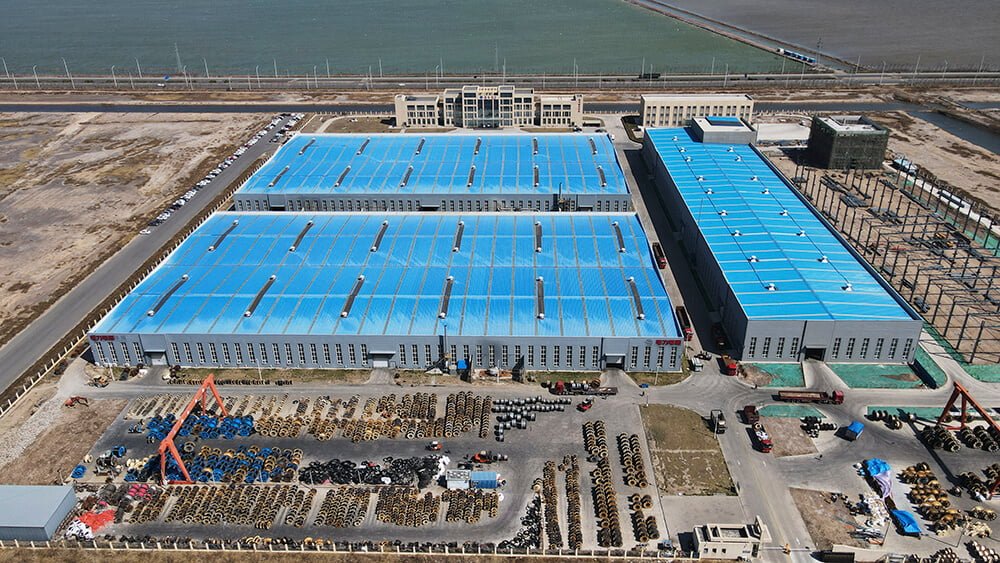
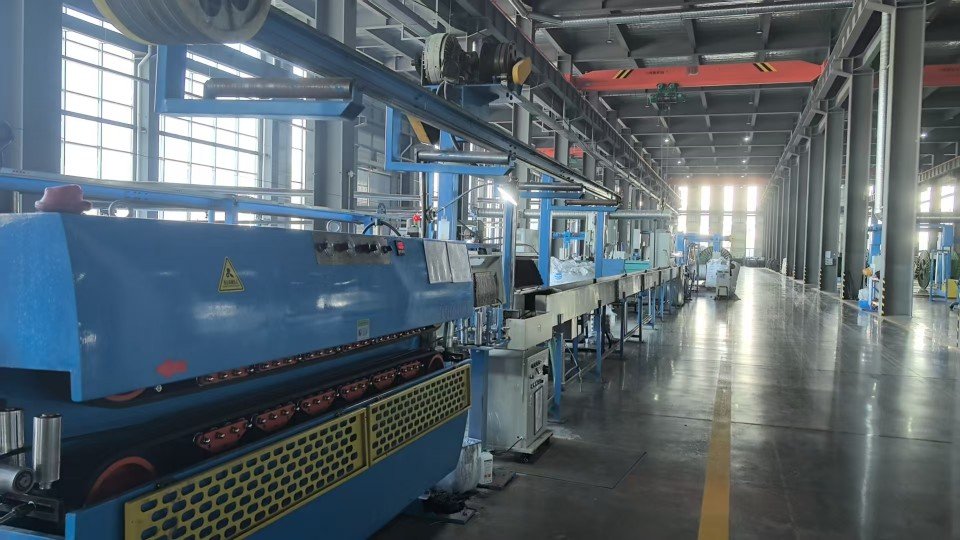
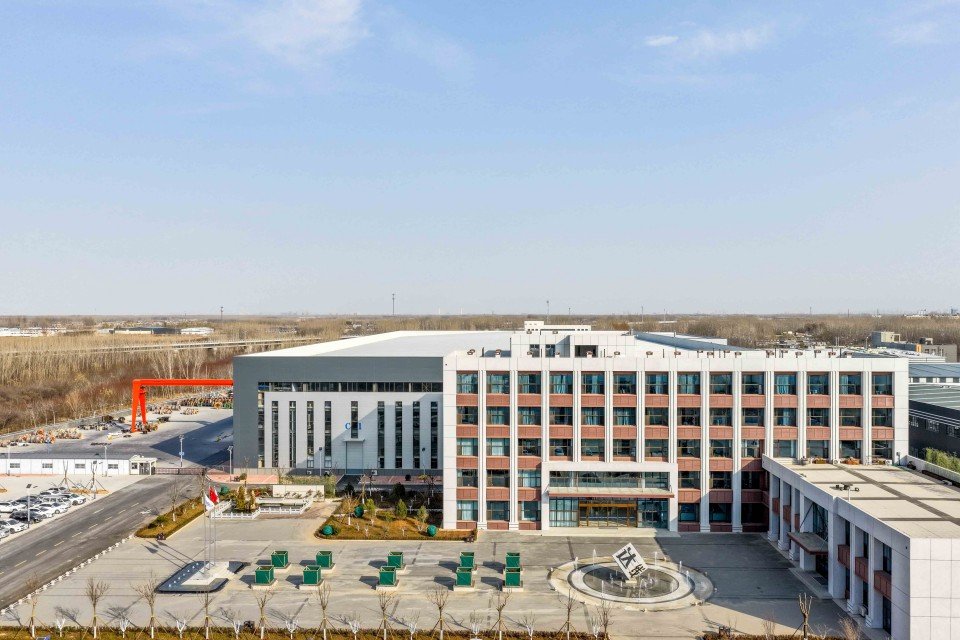
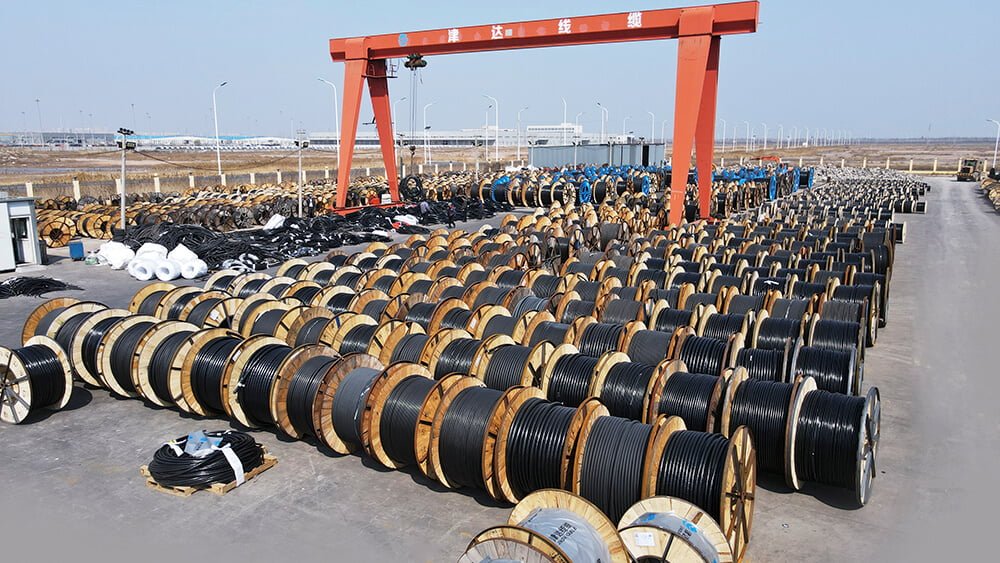
Behind every drum we ship sits a 38-year track record, five production bases under one MES system, and a documentation discipline that gets cables through customs without delays.
-
Every cable tested twice before shipping
Since 1987, our two-stage QC has been refined to a science: routine test on the production line, then full electrical and mechanical re-test before packing. Across 50+ export markets, our return rate stays under 0.3%.
-
Five production bases, 470,000 m², synced via MES
Tianjin, Liaoning, Heilongjiang, Shandong, and Xian — each base runs under one unified MES system. Same recipe, same protocols, same traceability, regardless of which plant ships your order.
-
3,000+ SKUs, custom configurations welcome
Standard sizes ship from inventory. Special voltage grades, color-coding, drum lengths, or armor configurations are routine — submit your spec and our team will quote the lead time honestly.
-
Trusted by EPC contractors in 50+ countries
We supply utilities, mining operators, port authorities, and large industrial OEMs across Europe, the Americas, Southeast Asia, the Middle East, and Africa.
-
Full paperwork shipped with every order
Every shipment includes factory test report, certificate of origin (COO), packing list, and bill of lading (B/L). Customer-nominated witness testing can be arranged before shipment.
Our Track Record
98.7%
On-time shipment rate (last 24 months)
< 0.3%
Return rate across export markets
25 days
Typical sea freight Tianjin → Rotterdam
100%
Shipments with routine test report attached
Logistics & Delivery
Packaging, Shipping & Documentation
What we handle on our side from production floor to the port of loading. Product-specific installation guidance is supplied with the datasheet that accompanies each order.
Packaging
- Wooden or steel drums per IEC 62004
- Coil packaging available for small cross-sections
- Standard drum lengths plus custom lengths on request
- Each drum labeled with type, voltage, cross-section, length, batch
- Waterproof wrapping for export shipments
- Cable ends sealed against moisture ingress
- Private-label / OEM packaging available under NDA
Shipping
- FCL / LCL sea freight, air freight on request
- Trade terms: EXW, FOB, CFR, CIF, DDP
- Ports of loading: Tianjin / Qingdao / Shanghai
- Typical sea freight to Rotterdam: 25 days
- Lead time confirmed at order acknowledgement
- Container loading photos sent before sailing
Documentation
- Factory routine test report (per applicable standard)
- Commercial invoice and packing list
- Certificate of origin (CO) — China Council, FORM A, FORM E available
- Bill of lading (B/L) — original or telex release
- Third-party inspection by SGS / BV / TÜV on request
- Customer-nominated witness testing arranged before shipment
Get in Touch
Request a Quote for
PVC Insulated Control Cable
What You'll Receive
- Technical quotation with itemized FOB / CIF pricing
- Sample factory test report from a previous shipment
- Realistic lead time including raw-material procurement
- Direct contact with the assigned sales engineer


Email
info@jindacablegroup.comResponse Time
Within 1 business day
Related Products