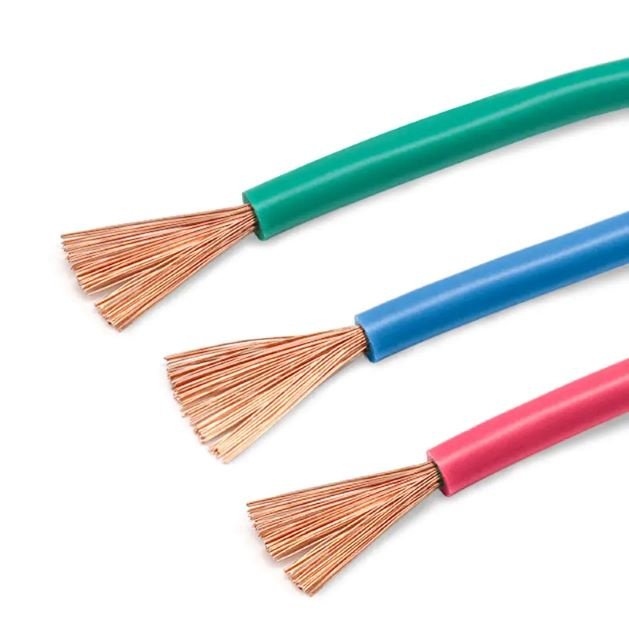
/ 300/500V
PVC Insulated Flexible Wire
Model: RV / H05V-K
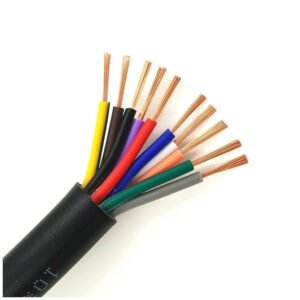
Flexible PVC insulated wire widely used for electrical appliances, lighting systems, and low-voltage connections.
- Voltage Rating
- 300/500V
- Number of Cores
- Array
- Cross Section
- 0.2–120 mm²
- Conductor
- Copper
- Armoring
- Unarmored
- MOQ
- ≥ 500 m
Downloads
Specifications
Technical Specifications & Performance
Construction
- Model / Series
- RV / H05V-K
- Voltage Rating
- 300/500V
- Conductor Material
- Copper
- Conductor Class
- Class 5 Flexible
- Cross Section
- 0.2–120 mm²
- Number of Cores
- Array
- Insulation
- PVC
- Sheath
- PVC
- Armoring
- Unarmored
- MOQ
- ≥ 500 m
Performance
- Max. Conductor Temp.
- 70°C
- Min. Bending Radius
- 6 × Cable Outer Diameter
About This Product
Single-Core Flexible PVC Wire for Protected Internal Wiring
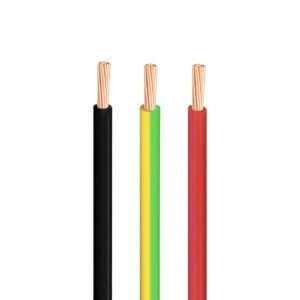
PVC Insulated Flexible Wire is a single-core, non-sheathed flexible copper conductor insulated with PVC. In the Chinese market it is commonly ordered as RV; in European and many export specifications it is normally requested as H05V-K for 300/500V small sizes or H07V-K for 450/750V panel and power-wiring sizes. The key point is simple: this is not a multi-core cable and it has no outer sheath. It is a flexible insulated wire for control cabinets, switchboards, distribution boards, machinery internal wiring, lighting fittings, and other locations where the conductor is protected by an enclosure, conduit, trunking, or equipment housing.
The construction uses a fine-stranded Class 5 copper conductor per IEC 60228 and a 70°C PVC insulation compound. Compared with solid PVC building wire such as BV / H07V-U, flexible RV / H07V-K is easier to route through tight cabinet spaces, easier to terminate at densely populated terminal blocks, and much better suited to equipment wiring where repeated opening, maintenance, or vibration may occur. Compared with RVV / H05VV-F, it is lighter and cheaper because there is no common sheath, but it must not be used where the wire is exposed to abrasion, sunlight, water, or mechanical damage.
For export projects, Jinda can manufacture this family to EN 50525-2-31 as H05V-K / H07V-K and to the IEC 60227 non-sheathed PVC insulated cable family, with colour coding, drum or coil packing, and printed legends matched to customer requirements. Standard colours include black, blue, brown, red, white, yellow, green, grey, and green-yellow protective earth. The product is best specified by voltage grade, cross-section, conductor colour, packing length, and required certification documents.
Wire Structure
A Simple Two-Layer Construction: Flexible Copper + PVC Insulation
PVC insulated flexible wire is intentionally simple. There is one conductor and one insulation layer. That simplicity is what makes the product economical, easy to strip, easy to terminate, and practical for high-volume panel wiring. The absence of a sheath is also the main installation limit: it must be protected after installation.
-
1
Conductor — Class 5 Flexible Copper
Fine-stranded annealed copper conductor per IEC 60228 Class 5. Bare copper is standard; tinned copper can be quoted where improved oxidation resistance is required for humid cabinets, marine equipment, or export customers with specific internal wiring standards. The fine stranding makes the wire much easier to bend and route than solid or Class 2 stranded building wire.
-
2
Insulation — 70°C PVC Compound
PVC insulation provides electrical separation, colour identification, flame-retardant behaviour, and moderate abrasion resistance during installation. Standard temperature rating is 70°C. Heat-resistant 90°C variants, such as H05V2-K / H07V2-K, should be specified separately when equipment temperature or enclosure heat rise requires it.
-
3
Colour Identification — Cabinet-Friendly Marking
Colours are selected according to the wiring function and local rules: green-yellow for protective earth, blue for neutral in IEC markets, brown / black / grey for phase conductors, and red, white, yellow, orange, violet, or numbered colours for control wiring where permitted. Continuous printed legends and metre marking are available for OEM panel builders.
-
4
No Outer Sheath — Protected Installation Required
Unlike RVV, H05VV-F, or control cable, this product has no common outer sheath. It should be installed inside cabinets, equipment, conduit, trunking, or other protected spaces. For exposed runs, moving equipment, outdoor use, cable trays with abrasion risk, or multi-core harnesses that need mechanical protection, choose a sheathed flexible cable instead.
Key Features
Flexible, Colour-Coded, and Economical for Panel Wiring
This wire family is selected when installers need the handling of a flexible conductor, the identification benefits of coloured PVC insulation, and the low cost of a single-core product. It is a workhorse item for OEM factories, switchgear builders, machine builders, and electrical wholesalers.
Class 5 Flexibility for Tight Cabinets
The fine-stranded conductor bends cleanly through terminal rows, cable ducts, DIN-rail layouts, and compact equipment spaces. It is easier to dress neatly than solid wire and reduces stress at terminals when cabinet doors, hinged panels, or internal assemblies are opened for maintenance.
Clear Colour Coding
PVC insulation can be produced in the common cabinet and building-wire colours used by IEC, EN, and local wiring practices. This simplifies phase, neutral, protective-earth, DC positive / negative, and signal identification during assembly and maintenance.
Global Model Equivalents
Specify as RV for China-market projects, H05V-K for 300/500V small-size export panel wire, or H07V-K for 450/750V larger cabinet and distribution wiring. The underlying concept is the same: PVC insulated single-core flexible conductor for protected installation.
300/500V and 450/750V Options
H05V-K is typically used for 0.5 to 1.0 mm² wiring at 300/500V. H07V-K and 60227 IEC 02 style flexible wires cover the larger 1.5 to 240 mm² range at 450/750V. This lets buyers match the voltage marking to the local project specification.
Cost-Effective PVC Insulation
PVC remains the most economical insulation choice for ordinary indoor wiring. It strips cleanly, prints well, provides adequate flame performance for many cabinet applications, and keeps OEM wiring costs under control compared with rubber, silicone, PUR, or halogen-free compounds.
Ferrule and Terminal Friendly
The Class 5 conductor is well suited to bootlace ferrules, crimp lugs, terminal blocks, and cabinet wiring accessories. Correct ferrule selection gives a reliable connection without cutting conductor strands at screw terminals.
How to Choose
Six Decisions Before Ordering PVC Flexible Wire
Because PVC insulated flexible wire is a basic product, mistakes usually come from choosing the wrong voltage grade, confusing unsheathed wire with sheathed cable, or ignoring installation protection. Use the six checks below before sending the enquiry.
Confirm this is single-core unsheathed wire
Choose RV / H05V-K / H07V-K when each conductor will be routed separately inside a protected enclosure, conduit, or cable duct. If you need multiple cores under one jacket, use RVV / H05VV-F or a flexible control cable. If the run is exposed outdoors or subject to abrasion, do not use unsheathed PVC insulated wire.
Select voltage grade and model family
H05V-K covers many 0.5 to 1.0 mm² 300/500V control and internal wiring needs. H07V-K covers 1.5 mm² and above at 450/750V for power, panel, and distribution wiring. China-market projects may specify RV with IEC 60227 / GB/T 5023 marking. Match the printed model to the destination market and tender document.
Choose cross-section by circuit function
Small control and signal circuits commonly use 0.5, 0.75, or 1.0 mm². General panel power wiring often uses 1.5, 2.5, 4, or 6 mm². Larger distribution-board links and equipment earthing conductors can run from 10 mm² up to 240 mm². Current-carrying capacity must be calculated according to local installation rules, grouping, ambient temperature, and enclosure ventilation.
Define colours before production
Colour is part of the engineering specification, not a cosmetic detail. Green-yellow should be reserved for protective earth where applicable, blue is commonly used for neutral in IEC markets, and phase / control colours should follow the buyer’s wiring standard. For OEM panel builders, supplying the colour list by cross-section avoids warehouse confusion.
Check the operating environment
Standard PVC flexible wire is for ordinary indoor temperatures and protected spaces. If the wire will see higher enclosure temperatures, specify 90°C PVC. If the project requires low-smoke halogen-free behaviour, select H05Z-K / H07Z-K or an equivalent LSZH single core. If there is repeated flexing, oil exposure, outdoor UV, or cable-chain motion, choose a different cable family.
Specify packing and marking
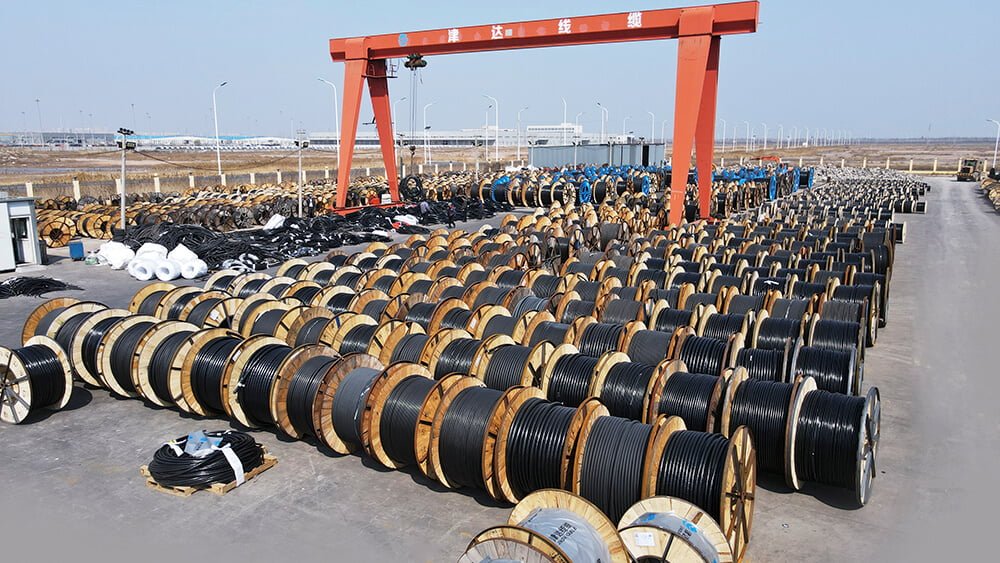
Small sizes are commonly supplied in 100 m coils, 100 m boxes, or 500 m reels. Larger sections are supplied on wooden or steel drums. Include printed legend requirements such as model, voltage, cross-section, standard, factory name, metre marking, and certification marks. For export wholesale, consistent label design helps distributors manage stock by size and colour.
Applications
Where Single-Core PVC Flexible Wire Is the Right Choice
RV / H05V-K / H07V-K belongs inside equipment and protected wiring systems. It is selected for neat routing, easy termination, and clear colour identification rather than for external mechanical protection.
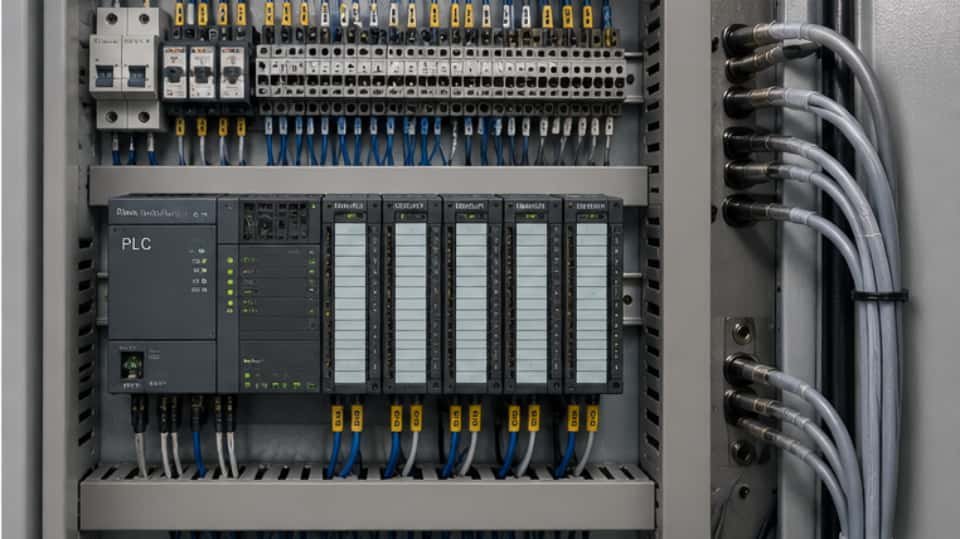
Control Cabinets & Switchboards
Internal wiring for control cabinets, switchgear, relay panels, PLC cabinets, motor starters, and terminal rows. Fine-stranded construction makes wire dressing and terminal work easier in dense DIN-rail assemblies.
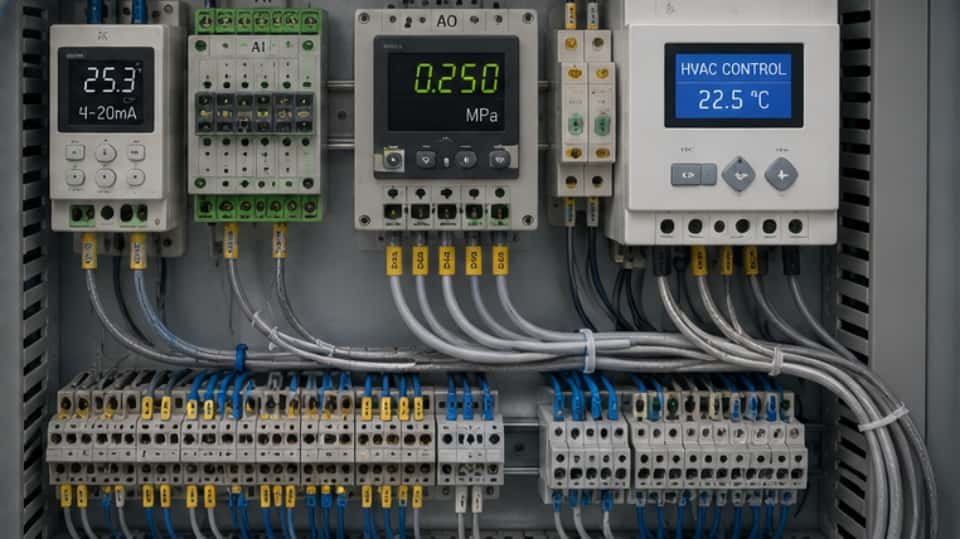
Distribution Boards & Panel Links
Panel links, short internal feeders, protective-earth conductors, and colour-coded phase wiring inside distribution boards and low-voltage assemblies. Larger H07V-K sizes are widely used for these protected applications.
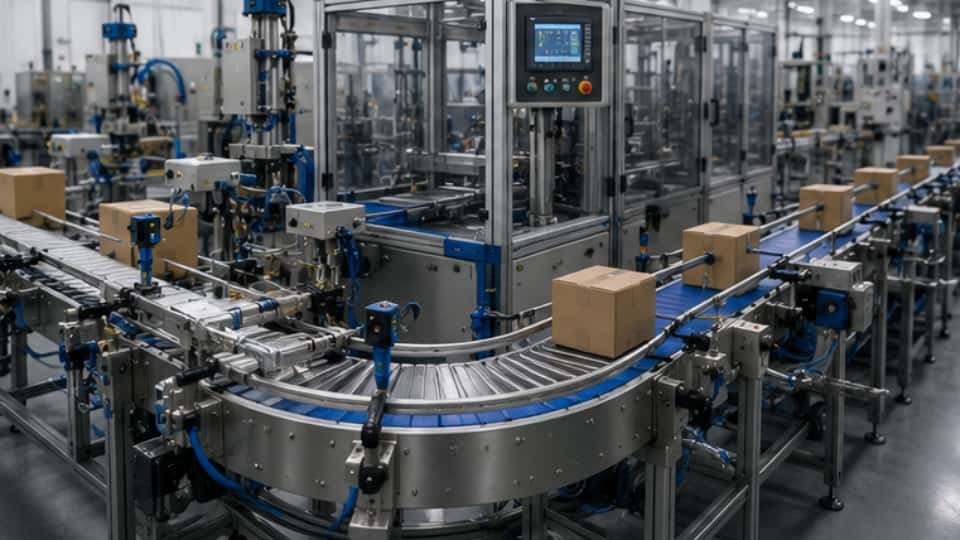
Machinery Internal Wiring
Wiring inside production equipment, packaging machines, pumps, HVAC control units, and appliance assemblies where conductors are protected by the machine enclosure and terminated with ferrules or crimp lugs.
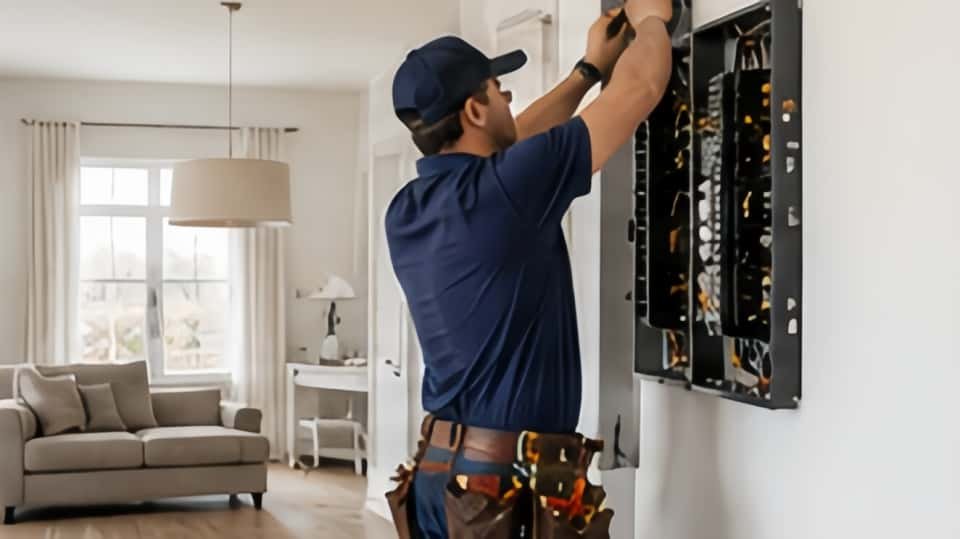
Lighting & Protected Conduit Runs
Fixture wiring, equipment interconnections, and protected conduit or trunking runs in commercial and industrial buildings. The wire should be selected and installed according to the local electrical code and enclosure rating.
Not appropriate for: Direct outdoor exposure, wet locations without enclosure protection, drag chains, continuously moving machine axes, portable extension cords, exposed cable trays with abrasion risk, direct burial, fire-survival circuits, welding leads, solar PV strings, and multi-core control cable runs. For those cases choose the relevant sheathed, rubber, PUR, LSZH, fire-resistant, or application-specific cable family.
Technical Data
RV / H05V-K / H07V-K Reference Range
Reference values for PVC insulated single-core flexible wire. DC resistance follows IEC 60228 Class 5 copper conductor values at 20°C. Final outside diameter and packing weight vary by insulation compound, certification route, colour, and factory drawing, so order-specific datasheets should be used for engineering approval.
| Nominal Section | Common Model | Voltage Grade | Conductor Class | Max DC Resistance at 20°C | Typical Use |
|---|---|---|---|---|---|
| 1 x 0.5 mm² | RV / H05V-K | 300/500 V | IEC 60228 Class 5 | 39.0 Ω/km | Signals, low-current controls |
| 1 x 0.75 mm² | RV / H05V-K | 300/500 V | IEC 60228 Class 5 | 26.0 Ω/km | Control wiring, relay circuits |
| 1 x 1.0 mm² | RV / H05V-K | 300/500 V | IEC 60228 Class 5 | 19.5 Ω/km | Cabinet control, small power |
| 1 x 1.5 mm² | RV / H07V-K | 450/750 V | IEC 60228 Class 5 | 13.3 Ω/km | Panel wiring, lighting circuits |
| 1 x 2.5 mm² | RV / H07V-K | 450/750 V | IEC 60228 Class 5 | 7.98 Ω/km | Power wiring, sockets in panels |
| 1 x 4 mm² | RV / H07V-K | 450/750 V | IEC 60228 Class 5 | 4.95 Ω/km | Small feeders, PE conductors |
| 1 x 6 mm² | RV / H07V-K | 450/750 V | IEC 60228 Class 5 | 3.30 Ω/km | Distribution-board links |
| 1 x 10 mm² | RV / H07V-K | 450/750 V | IEC 60228 Class 5 | 1.91 Ω/km | Internal feeders, earthing |
| 1 x 16 mm² | RV / H07V-K | 450/750 V | IEC 60228 Class 5 | 1.21 Ω/km | Switchboard internal links |
| 1 x 25 to 240 mm² | RV / H07V-K | 450/750 V | IEC 60228 Class 5 | 0.780 to 0.0801 Ω/km | Large panel links, equipment bonding |
Current rating is not shown as a universal fixed value because it changes with installation method, grouping, conduit fill, enclosure temperature, ventilation, and local wiring rules. Use the project standard or national wiring code for final ampacity and derating calculations.
Typical standards and references: EN 50525-2-31 for H05V-K / H07V-K, IEC 60227 non-sheathed PVC insulated cable family, IEC 60228 for conductor resistance and Class 5 flexibility, and IEC 60332-1-2 for single vertical flame propagation where specified.
Comparison
Do Not Confuse Flexible Wire with Sheathed Cable
Many purchasing mistakes happen because similar-looking PVC products are described with broad phrases such as “flexible cable” or “PVC wire”. The table below separates the common families by construction and use.
| Attribute | RV / H05V-K / H07V-K | BV / H07V-U | RVV / H05VV-F | Flexible Control Cable |
|---|---|---|---|---|
| Construction | Single-core, PVC insulated, no sheath | Single-core, rigid conductor, no sheath | Multi-core PVC insulated and PVC sheathed | Multi-core control cable, often numbered cores |
| Flexibility | Class 5 flexible | Solid or less flexible | Flexible assembled cable | Flexible, sometimes shielded |
| Mechanical protection | Requires enclosure, conduit, or trunking | Requires protected fixed installation | Outer sheath gives basic cable protection | Outer sheath, optional screen or oil-resistant jacket |
| Main use | Panel wiring, equipment internal wiring | Fixed building wiring | Indoor appliance cords and light flexible leads | Control circuits between devices or panels |
| Typical model | RV, H05V-K, H07V-K | BV, H05V-U, H07V-U | RVV, H03VV-F, H05VV-F | KVV, KVVR, LiYY, YY, CY |
| When to avoid | Exposed or multi-core runs | Frequent cabinet movement or tight routing | Inside dense terminal ducts where single cores are needed | Simple single-core jumpers where sheath is unnecessary |
Choose PVC insulated flexible wire when
You need individual colour-coded conductors for protected internal wiring, especially inside control cabinets, switchboards, machine enclosures, or conduit. It is the right choice when flexibility at terminals and neat cabinet routing matter, but no outer sheath is required.
Choose another product when
You need a multi-core cable, an exposed flexible lead, outdoor service, oil resistance, low-smoke halogen-free performance, shielding, repeated dynamic flexing, or fire survival. In those cases, select RVV / H05VV-F, flexible control cable, shielded control cable, PUR cable, LSZH single core, rubber cable, or fire-resistant cable according to the application.
Frequently Asked Questions
Common Questions About PVC Flexible Single-Core Wire
Is PVC Insulated Flexible Wire the same as RVV?
No. RV / H05V-K / H07V-K is a single-core unsheathed wire. RVV / H05VV-F is a multi-core PVC sheathed flexible cable. If each conductor will be routed inside a cabinet duct or conduit, single-core flexible wire is appropriate. If the cable will leave the cabinet or needs a common jacket, choose RVV or another sheathed cable.
How do I choose between H05V-K and H07V-K?
H05V-K is normally used for small flexible single cores at 300/500V, commonly 0.5 to 1.0 mm². H07V-K is the 450/750V family for 1.5 mm² and larger panel, distribution-board, and equipment wiring. If a tender or local standard specifies the exact harmonised code, follow that code rather than using a generic product name.
Can this wire be installed outdoors?
Not as an exposed wire. Standard PVC insulated flexible wire has no outer sheath and is not designed for sunlight, rain, abrasion, or mechanical impact. It can be used outdoors only when it is inside a suitable enclosure or conduit system approved by the project standard. For exposed outdoor flexible leads, use rubber, PUR, or outdoor-rated sheathed cable.
Should flexible wire be terminated with ferrules?
For screw terminals and many cabinet terminal blocks, ferrules are strongly recommended and often required by the panel builder’s standard. A correctly sized bootlace ferrule prevents strand damage, improves contact reliability, and keeps the conductor shape consistent during maintenance. Crimp lugs should be used where the terminal design calls for them.
Is this suitable for cable chains or repeated motion?
No. Class 5 flexibility makes the wire easy to install, but it does not make it a dynamic drag-chain cable. Repeated motion requires a cable designed for flex-life, with appropriate conductor lay, insulation, sheath, and bending-cycle rating. For cable chains, use a dedicated chain cable or servo/control cable specified for continuous movement.
What information should I include in an enquiry?
Please provide model or standard, voltage grade, cross-section, colour list, copper type, packing length, required printing, certification documents, and total quantity by colour. A good example is: H07V-K 1 x 2.5 mm², 450/750V, Class 5 bare copper, brown / blue / green-yellow, 100 m coils, EN 50525-2-31 documents, 20,000 m per colour.
Installation & Handling Tips
Six Practices for Reliable Cabinet Wiring
Most failures with PVC flexible wire are not material failures; they are installation errors. The practices below help panel builders and OEM wiring teams get repeatable, inspectable results.
Use ferrules on screw terminals
Fine strands can spread or break under screw pressure if terminated directly. Use the correct ferrule length and crimp profile for the terminal block. For two wires in one terminal, use a twin ferrule only when the terminal manufacturer allows that arrangement.
Do not overfill cable ducts
Dense bundles trap heat and make maintenance difficult. Follow the panel builder’s duct-fill rules and apply grouping derating where required. Separate power and signal wiring when the equipment standard or EMC design calls for it.
Strip without nicking strands
Use a calibrated stripping tool matched to the cross-section. Knife stripping often cuts copper strands, especially on small 0.5 to 1.0 mm² wires, reducing effective conductor area and creating a weak point at the terminal.
Respect colour rules
Reserve green-yellow for protective earth and follow the project standard for neutral, phase, DC, and control colours. Mixing colour conventions across cabinets creates maintenance risk even if the electrical circuit itself is correct.
Protect every external run
If a conductor leaves the cabinet or equipment enclosure, route it through suitable conduit, trunking, or a sheathed cable assembly. Single-core unsheathed PVC wire should not be left exposed where it can be rubbed, pulled, pinched, or contacted by moisture.
Label both ends before testing
Panel wiring becomes much easier to inspect when both ends are labelled before continuity and functional testing. Combine printed wire legends, ferrule sleeves, or marker tubes with a wiring schedule so future maintenance teams can trace circuits safely.
Safety note: Final conductor size, current rating, insulation colour, termination method, and enclosure routing must follow the applicable national wiring code, machinery standard, and panel builder specification. PVC flexible wire is simple, but it is still part of an electrical safety system; incorrect derating, poor terminations, or wrong colour identification can create serious hazards.
Manufacturing Capability
Why Source From Jinda Cable
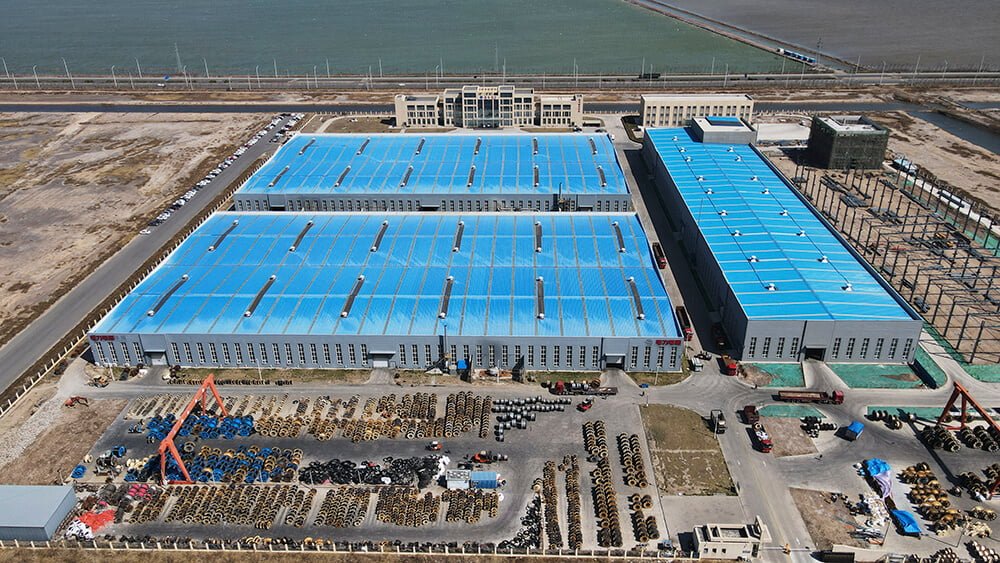
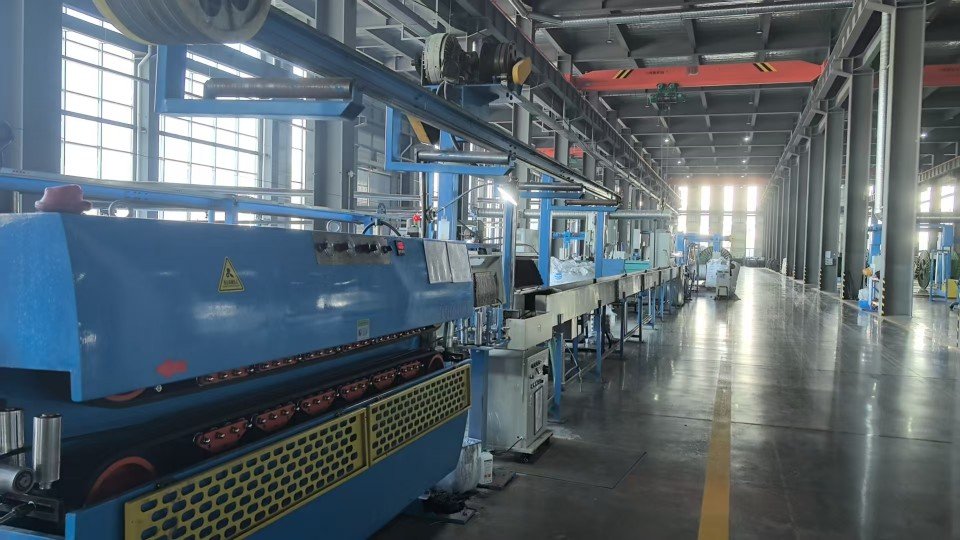
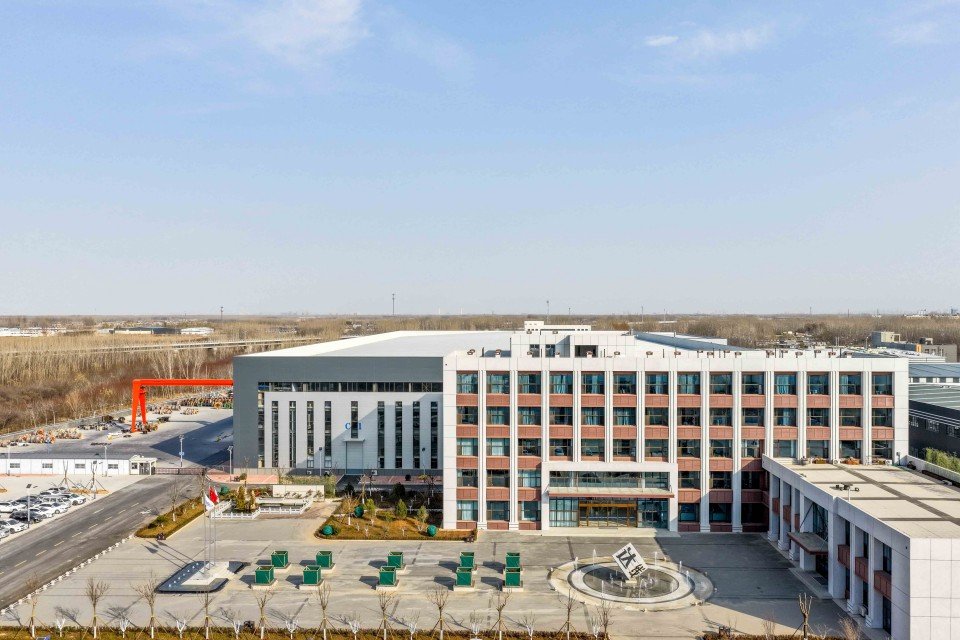
Behind every drum we ship sits a 38-year track record, five production bases under one MES system, and a documentation discipline that gets cables through customs without delays.
-
Every cable tested twice before shipping
Since 1987, our two-stage QC has been refined to a science: routine test on the production line, then full electrical and mechanical re-test before packing. Across 50+ export markets, our return rate stays under 0.3%.
-
Five production bases, 470,000 m², synced via MES
Tianjin, Liaoning, Heilongjiang, Shandong, and Xian — each base runs under one unified MES system. Same recipe, same protocols, same traceability, regardless of which plant ships your order.
-
3,000+ SKUs, custom configurations welcome
Standard sizes ship from inventory. Special voltage grades, color-coding, drum lengths, or armor configurations are routine — submit your spec and our team will quote the lead time honestly.
-
Trusted by EPC contractors in 50+ countries
We supply utilities, mining operators, port authorities, and large industrial OEMs across Europe, the Americas, Southeast Asia, the Middle East, and Africa.
-
Full paperwork shipped with every order
Every shipment includes factory test report, certificate of origin (COO), packing list, and bill of lading (B/L). Customer-nominated witness testing can be arranged before shipment.
Our Track Record
98.7%
On-time shipment rate (last 24 months)
< 0.3%
Return rate across export markets
25 days
Typical sea freight Tianjin → Rotterdam
100%
Shipments with routine test report attached
Logistics & Delivery
Packaging, Shipping & Documentation
What we handle on our side from production floor to the port of loading. Product-specific installation guidance is supplied with the datasheet that accompanies each order.
Packaging
- Wooden or steel drums per IEC 62004
- Coil packaging available for small cross-sections
- Standard drum lengths plus custom lengths on request
- Each drum labeled with type, voltage, cross-section, length, batch
- Waterproof wrapping for export shipments
- Cable ends sealed against moisture ingress
- Private-label / OEM packaging available under NDA
Shipping
- FCL / LCL sea freight, air freight on request
- Trade terms: EXW, FOB, CFR, CIF, DDP
- Ports of loading: Tianjin / Qingdao / Shanghai
- Typical sea freight to Rotterdam: 25 days
- Lead time confirmed at order acknowledgement
- Container loading photos sent before sailing
Documentation
- Factory routine test report (per applicable standard)
- Commercial invoice and packing list
- Certificate of origin (CO) — China Council, FORM A, FORM E available
- Bill of lading (B/L) — original or telex release
- Third-party inspection by SGS / BV / TÜV on request
- Customer-nominated witness testing arranged before shipment
Related Products