Is a Cable the Same as a Wire? The Difference Most People Get Wrong
In everyday speech, “wire” and “cable” sound interchangeable. We talk about the wire running into a lamp, the cable connecting a TV, the wire snaking from a charger. Most of the time, no one cares. But step into a supply house, read a code book, or order materials for a job, and the two words mean very specific and very different things. Getting them confused can mean buying the wrong product, failing an inspection, or specifying something that doesn’t actually exist.
The Strict Industry Definition
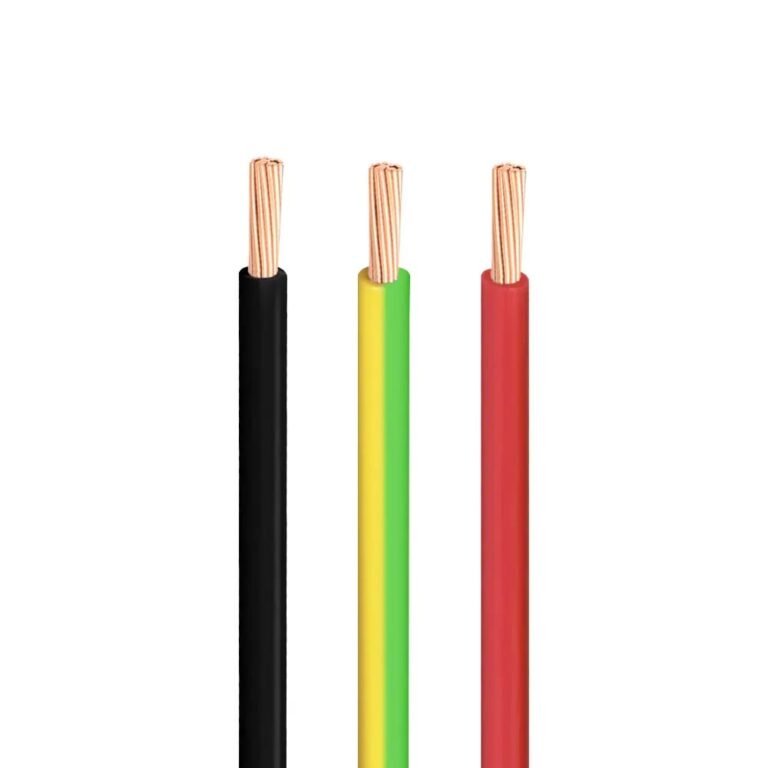
In the electrical industry, a wire is a single conductor. That conductor may be solid (one continuous piece of metal) or stranded (a bundle of fine filaments twisted together), but it is one electrical path under one piece of insulation, or no insulation at all in the case of bare grounding wire.
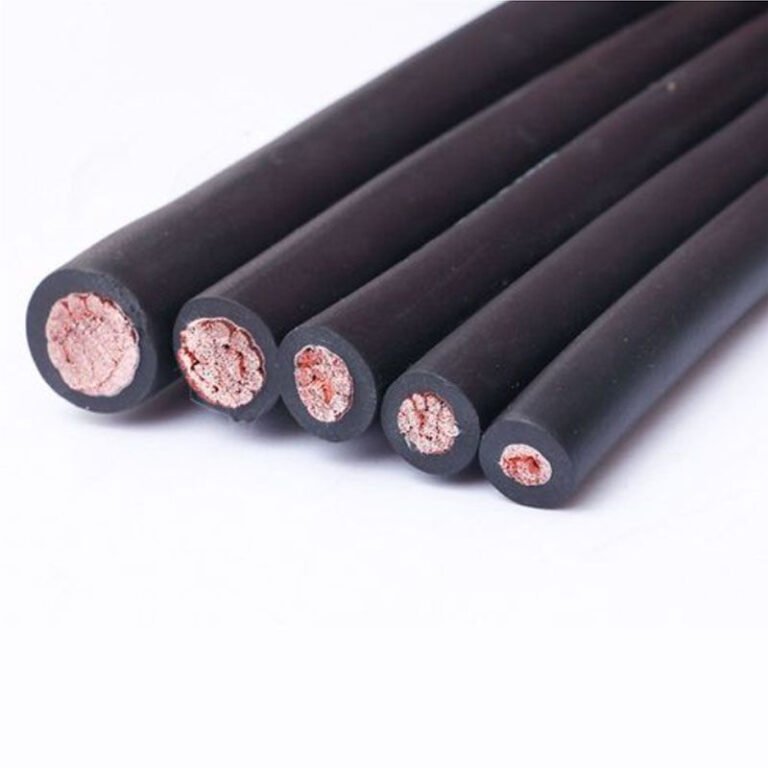
A cable is two or more wires assembled together inside a common protective covering. The covering may be a simple plastic jacket, a layered combination of fillers, shields, and an outer sheath, or even a heavy armored sleeve for industrial use. The defining trait is the assembly: multiple conductors traveling together as a single product.
By that definition, the wire running between the binding posts of a single lamp socket is a wire. The flat cord with a hot, neutral, and ground running from the lamp’s base to the wall plug is a cable, even though almost everyone calls it a cord or “lamp wire.”
Where the Confusion Comes From
The slippage between the two words has a long history. Telegraphs and early electric lights used genuinely single conductors strung along poles and through buildings. People called them wires. As multi-conductor cables replaced single wires for almost every practical application, the original term stuck in casual speech.
Manufacturers added to the confusion by selling products under names that mix the two. “Speaker wire” almost always has two conductors and is technically a cable. “Romex wire” is technically a cable; the brand name even includes the word cable in its trade marking. “Bell wire” can be either, depending on how many conductors are inside the jacket. The terminology has drifted enough that even professionals will use “wire” loosely in conversation while still meaning “cable” in writing.
A Useful Test
If you can count more than one insulated conductor inside an outer covering, you are looking at a cable. If you have one conductor with its own insulation (or no insulation at all), you are looking at a wire. The number of conductors is the dividing line.
A single THHN conductor pulled through a piece of conduit is a wire. The three THHN conductors pulled through the same conduit are still individual wires; they only become a cable when they are bundled together inside a shared jacket at the factory.
Why the Distinction Matters in Practice
Building codes treat wires and cables differently. The National Electrical Code in the United States, for example, has separate articles for “Conductors for General Wiring” (single wires) and for various cable types like NM, AC, MC, UF, and SE. The allowable installation methods, fill calculations for conduits, support spacings, and locations where each can be used are all governed by which category the product falls into.
Pricing reflects the distinction too. Single wires sold by the foot off a spool are typically cheaper per conductor than the equivalent cable, but require the additional cost of conduit, fittings, and pull labor. Cables cost more per foot because the manufacturer has done the bundling and jacketing work in advance, but they install faster in applications where conduit is not required.
Even the tools differ. Stripping a single insulated wire takes a basic wire stripper. Opening a cable jacket without nicking the conductors inside takes a cable ripper or a more specialized stripper. Pulling individual wires through a conduit uses fish tape and lubricant; pulling a cable through a stud bay uses a different technique altogether.
When the Two Words Are Really the Same
In casual conversation, no one is going to correct you for calling a lamp cord a wire or asking the hardware store clerk where the wire aisle is. Context usually makes the meaning clear. The point of caring about the distinction is not to police language but to communicate precisely when precision matters: writing a specification, reading a code section, ordering material, or troubleshooting a problem with someone who needs to know exactly what is in your hand.
The Quick Answer
A cable is not the same as a wire. A wire is a single conductor, with or without insulation. A cable is an assembly of two or more wires inside a common jacket. The two words describe two different products, even though everyday language has blurred them into near-synonyms. Knowing the difference is the first step toward speaking the language of the trade.