At What Point Does a Wire Become a Cable? The Line Between the Two
The transition from wire to cable is not just a matter of size or thickness. It is a matter of construction. A wire is a single conductor; a cable is two or more conductors bundled together inside a common protective sheath. The exact moment a wire becomes a cable, according to the conventions used by manufacturers, standards bodies, and electrical codes, is the moment a second conductor joins the first under a shared jacket.
The Single-Conductor Rule
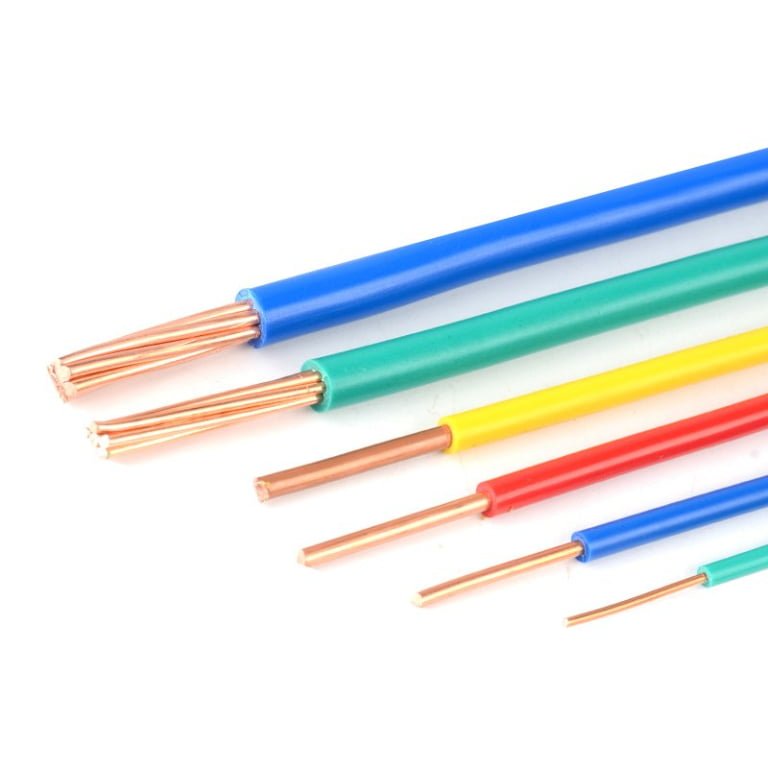
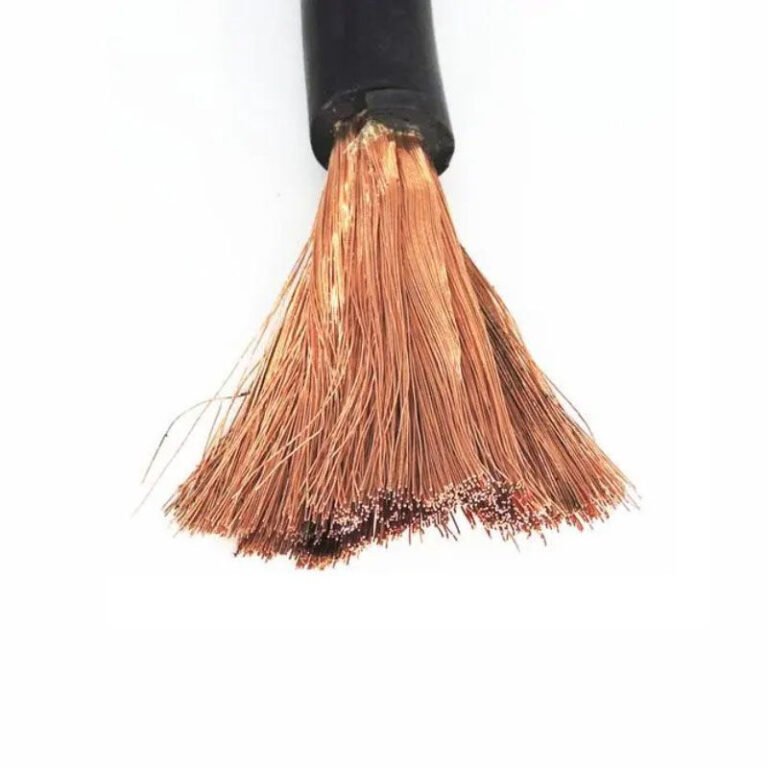
A single insulated conductor, no matter how thick or how rugged, is still a wire. A 4/0 AWG THHN conductor, big enough to feed a 200-amp service, weighs almost a pound per foot and looks more substantial than many cables. It is still a wire. A 28 AWG hookup wire, thinner than a human hair, is also still a wire. The defining characteristic is not the size; it is the count. One conductor equals a wire.
This is also true of bare wires. A bare copper grounding conductor pulled through conduit, a steel guy wire on a utility pole, a tinned copper braid used for bonding straps: all of these are wires by definition, regardless of their lack of insulation.
The Moment of Transition
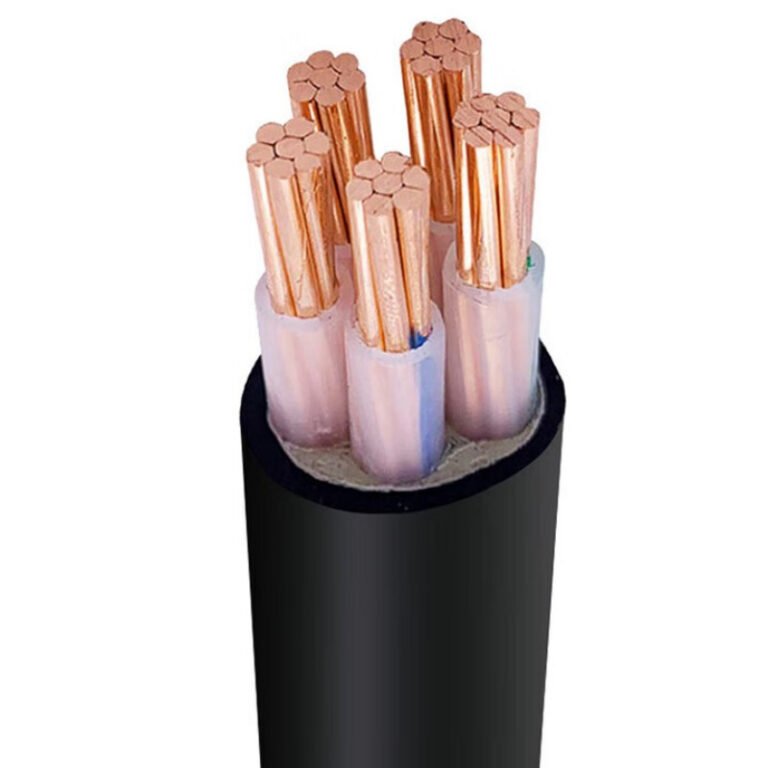
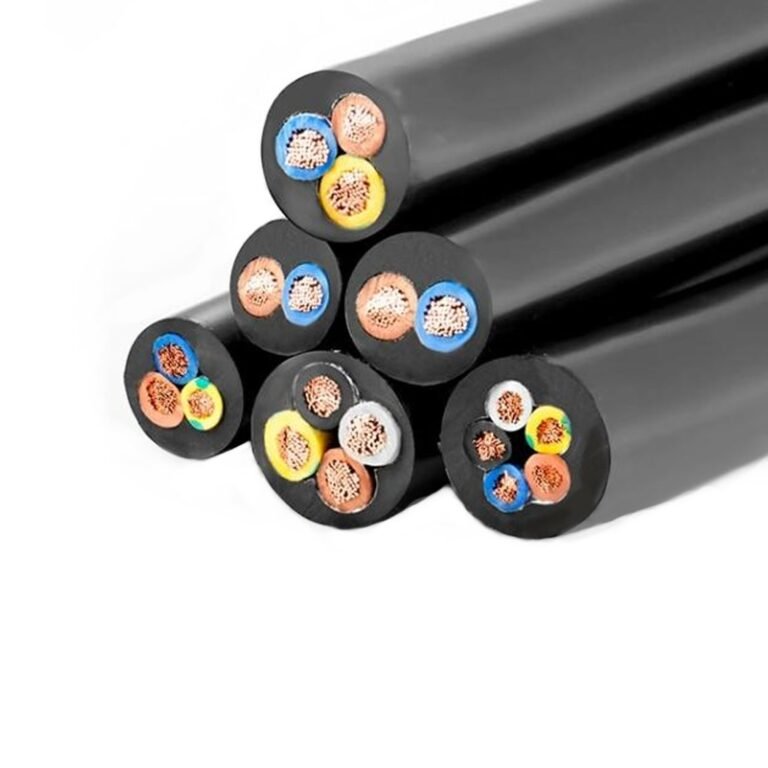
The moment a wire becomes a cable is the moment a manufacturer brings two or more insulated conductors together and surrounds them with a common protective covering. That covering can take many forms. It might be a simple PVC jacket extruded around two parallel conductors, as in lamp cord or speaker cable. It might be a thick rubber sheath wrapped around a half-dozen insulated cores plus a shield, as in industrial control cable. It might be a complex assembly of fillers, tapes, screens, and a final jacket, as in a medium-voltage power cable.
The construction does not have to be elaborate. As long as multiple conductors share a single outer covering as part of their finished construction, the assembly is a cable. Take a pair of separate THHN wires and twist them together with electrical tape; you still have two wires, not a cable, because the tape was added in the field rather than at the factory. Buy a piece of zip cord with two conductors fused under a single insulation jacket; that is a cable, even though it is barely thicker than a single wire.
Why the Sheath Defines the Difference
The reason the shared sheath matters is more than semantic. The sheath is what allows the assembly to be installed, handled, terminated, and code-classified as a single entity. Without a common sheath, each conductor is independent: it has its own pulling characteristics, its own derating considerations, its own installation rules. With a shared sheath, the conductors are treated as one product. They have a single ampacity rating that accounts for the heat-trapping effect of bundling. They have a single bend-radius requirement. They have a single point of failure if the jacket is damaged.
This is why electrical codes have entirely separate articles for individual wires and for the various cable types. NM, AC, MC, UF, SE, TC, MI, MV: each cable type is governed by its own set of rules about where it can be installed, how it must be supported, and what fittings can be used to terminate it. Individual wires are governed by a different set of rules, focused on the conduit or raceway they are pulled through.
Edge Cases and Gray Areas
Some products muddy the line. Multi-conductor cables sometimes have an inner cabling layer (the multi-conductor assembly) and an outer jacket that adds further protection. Removing the outer jacket reveals what is still arguably a cable underneath. Other products, like Romex’s bare grounding conductor inside the jacket, mix bare wire and insulated wires in the same assembly. The bare conductor is still a wire, but it is part of a cable.
Hybrid cables that carry both power and signal blur things further. A composite fiber-optic cable might contain glass fibers, copper power conductors, and a steel messenger wire all under one jacket. The whole assembly is a cable, even though no single naming convention adequately describes everything inside.
The standards bodies have settled on a pragmatic rule: if the manufacturer assembled the conductors under a common sheath as part of finished construction, the product is a cable. If you have a single conductor or a bundle of separate conductors not bound together by the manufacturer, the product is one or more wires.
A Historical Note
The wire-to-cable distinction matters partly because of how electrical installations evolved. The first generation of electric wiring used genuinely individual wires, hung from porcelain knobs and threaded through ceramic tubes (the famous knob-and-tube system). Each wire was separate, sized and rated independently, and could be replaced without disturbing the others.
When manufacturers began assembling multiple conductors into pre-made cables in the 1920s, the industry needed a way to distinguish the older single-conductor approach from the newer bundled-conductor approach. The terminology that emerged, with cable referring to multi-conductor assemblies and wire referring to single conductors, has stuck for nearly a century because it maps cleanly to the way materials are actually sold, installed, and inspected.
The Practical Test
If you can hold a piece of finished electrical product in your hand and see exactly one conductor (insulated or bare) under the outermost covering, you have a wire. If you can see two or more separately insulated conductors under the outermost covering, you have a cable. The dividing line is that simple, and it has remained stable across nearly every modern electrical standard and product catalog.
There is no specific number of conductors, no minimum thickness, no particular voltage rating at which the change happens. The transition is binary. One conductor under one jacket is a wire. Two or more conductors under one jacket is a cable. The instant the second conductor enters the assembly, the product changes category.