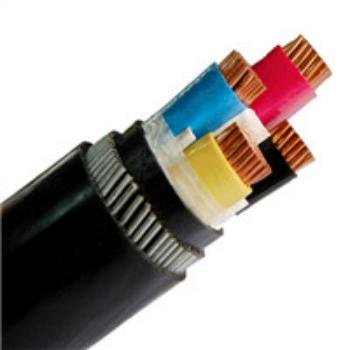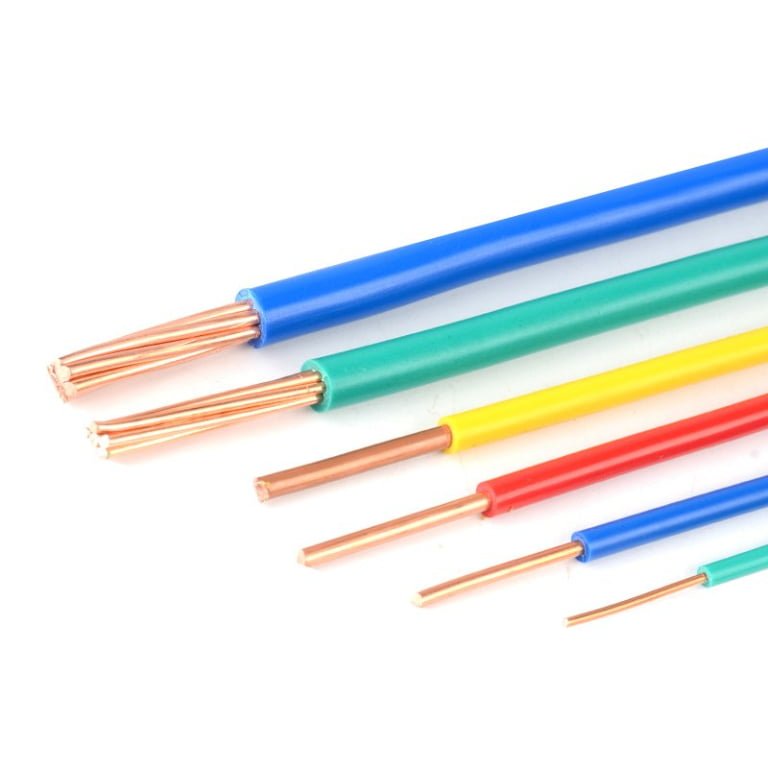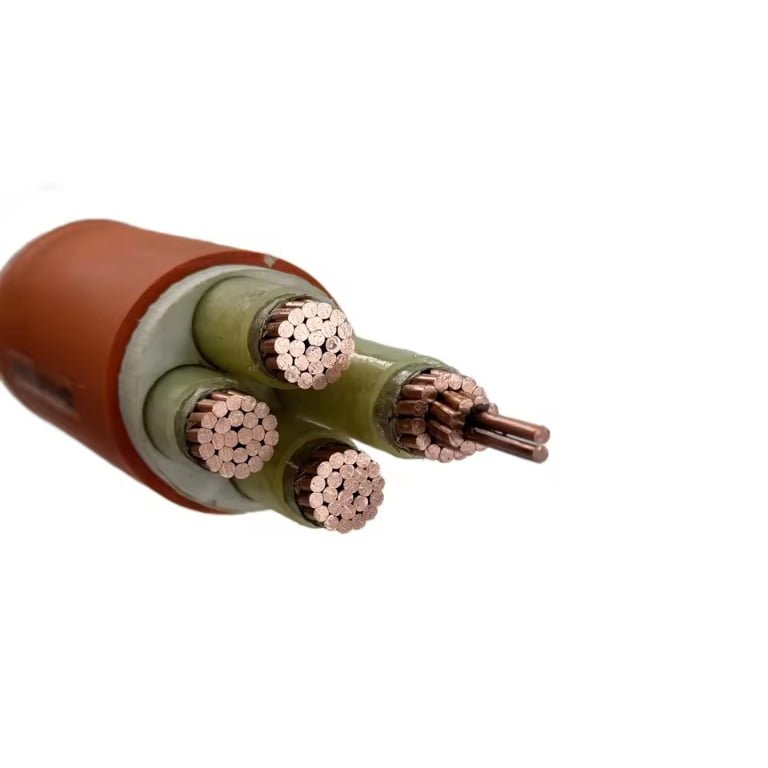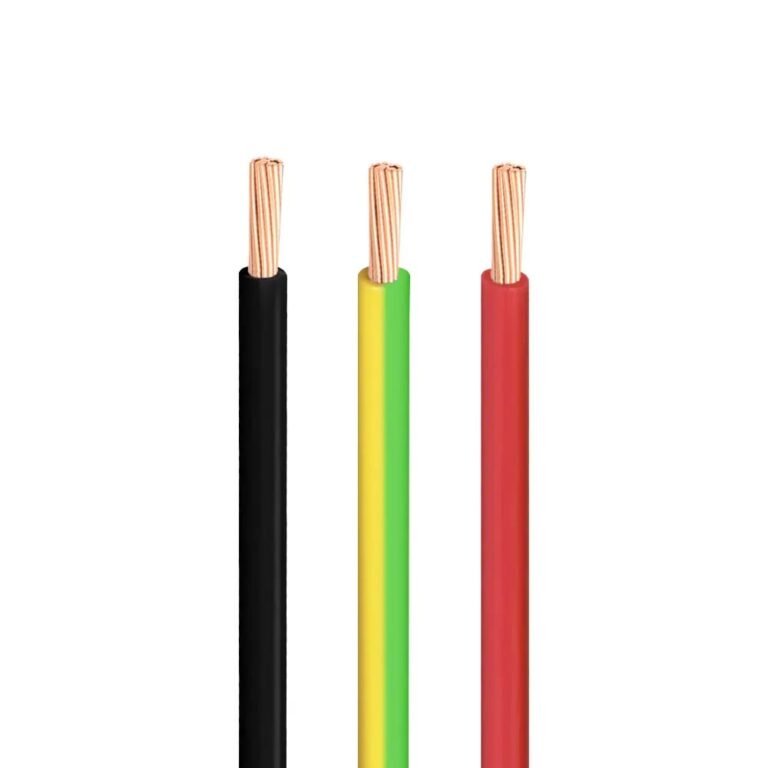
Misclassifying a 120V circuit as medium voltage sounds harmless until the purchase order, cable datasheet, panel label, and site electrician are all working from different assumptions. That confusion can slow approvals, trigger unnecessary shielding or termination requirements, or worse, leave a low-voltage branch circuit specified with the wrong insulation, flame rating, or certification. The fix is simple: classify 120V correctly, then specify the cable by its actual voltage rating and installation duty.
120V is classified as low voltage, not medium voltage. In common IEC, NEC, IEEE, and utility practice, medium voltage starts above 1,000V AC, while 120V branch circuits sit well inside the low-voltage range. Cable selection should still state the required insulation rating, installation conditions, and certifications.
The part that trips up buyers is that “low voltage” does not mean “one cable fits all.” A 120V control circuit inside a dry enclosure, a 120V receptacle branch circuit in conduit, and a 120V auxiliary feed in an industrial plant may all be low voltage, but they can call for different cable constructions, markings, and approval documents.
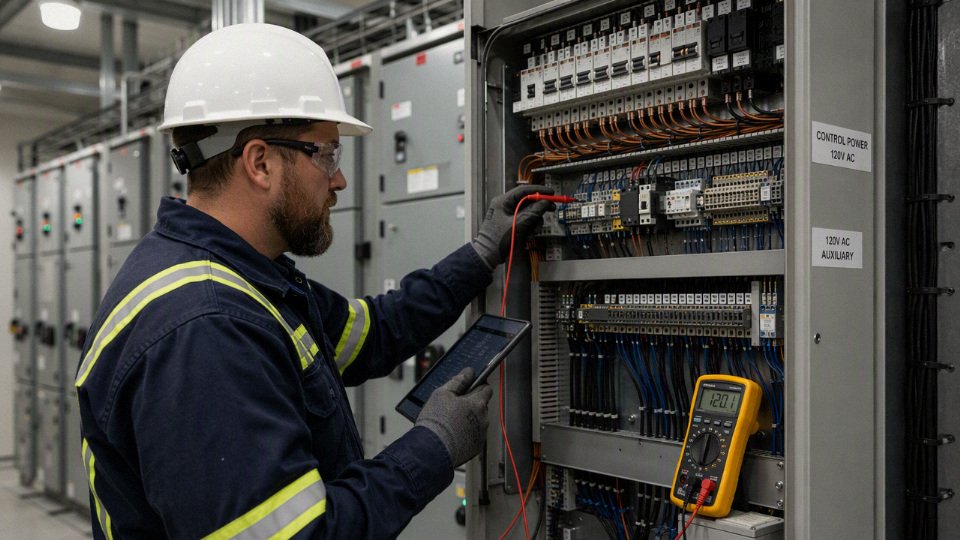
Voltage class boundaries
Voltage class is a working classification, not just a dictionary label. In most engineering, code, and procurement contexts, 120V AC sits firmly in the low-voltage category; medium voltage normally begins at hundreds or thousands of volts above it, depending on the standard, utility practice, or company rule being applied.
On a plant floor, voltage class affects more than the name printed on a drawing. It drives:
- Which safety work rules apply before opening an enclosure
- Required insulation level and cable construction
- Switchgear, panelboard, disconnect, and fuse selection
- Test voltage and commissioning practice
- Arc-flash study assumptions and labeling
- Maintenance technician qualification and PPE
- Purchasing language in cable schedules, datasheets, and bid packages
That is why a buyer should not treat “low voltage” and “medium voltage” as casual terms. A 120V receptacle circuit, a 480V motor feeder, and a 13.8 kV plant distribution feeder may all be ordinary to a factory electrician, but they do not belong in the same equipment class. The insulation design, clearances, termination methods, and test procedures are different enough that a wrong classification can become a purchasing error, not just a wording problem.
Common engineering convention: low voltage up to about 1,000V AC
The common international engineering convention treats low voltage as covering systems up to 1,000V AC or 1,500V DC, while medium voltage starts above that and extends into the kilovolt distribution range. Under that convention, 120V AC is not close to the boundary; it is low voltage by a wide margin.
This convention is useful because it lines up with how equipment is usually built. Low-voltage cable and equipment are commonly designed around insulation systems, clearances, terminals, molded devices, panelboards, and protective devices suitable for building and industrial utilization voltages. Medium-voltage equipment brings in another class of design problems: stress control, shielded cable systems, separable connectors, metal-clad or metal-enclosed switchgear, partial discharge concerns, and insulation coordination against switching and lightning impulses.
The mechanism is simple but important: as voltage rises, the electric field across insulation and air gaps rises. At 120V, the design challenge is usually personnel shock protection, overcurrent protection, grounding, conductor ampacity, flame performance, and installation damage. At 13.8 kV, the design challenge includes controlled electric stress, adequate phase-to-phase and phase-to-ground spacing, cable shielding, terminations, and impulse withstand. The equipment category changes because the failure modes change.
There is a trade-off in classification language. A broad “low voltage up to 1,000V” definition is practical for international projects and cable procurement, but it can feel too broad to maintenance crews who mentally separate 120V controls from 480V motor power. That local distinction is useful for work planning, but it does not make 120V medium voltage. It only means the site may subdivide low voltage into smaller operating groups.
IEC-style classification
IEC usage commonly places low voltage at systems not exceeding 1,000V AC or 1,500V DC. Exact wording depends on the IEC document and the equipment category, so the project specification should cite the applicable standard instead of relying on a verbal shortcut. Still, in IEC-style power distribution language, 120V AC is plainly low voltage.
For international cable buyers, this matters because IEC voltage ratings are often expressed differently from North American cable habits. A buyer may see cable rated 300/500V, 450/750V, or 0.6/1 kV depending on the cable type and standard. A 120V circuit does not require medium-voltage cable simply because the project is outside North America. It requires a cable rating, insulation material, temperature class, flame performance, and certification package appropriate to the installation.
A common procurement mistake is to ask for “MV cable for 120V control circuits” because the system belongs to a large substation or utility project. That wording can confuse suppliers. The circuit may be located inside a medium-voltage switchgear room, but the 120V circuit itself is still low-voltage control or auxiliary wiring. Location and system function influence jacket, flame, shielding, oil resistance, tray rating, and approvals; they do not automatically change the circuit voltage class.
NEC and North American building-wiring context
In North American premises wiring, 120V circuits are treated as branch circuits, control circuits, lighting circuits, receptacle circuits, or utilization circuits, not medium-voltage distribution circuits. The National Electrical Code framework is organized by wiring method, occupancy, overcurrent protection, grounding, equipment type, and special conditions; 120V does not fall into the medium-voltage equipment world.
In practice, a 120V branch circuit might use conductors or cable assemblies rated 300V or 600V, depending on the wiring method and product standard. Building wire such as THHN/THWN-2 is commonly marked 600V, even when used on 120V or 277V lighting and receptacle circuits. That does not mean the circuit is “600V service”; it means the insulation system is rated for use up to that voltage under its listed conditions.
This distinction comes up in purchasing. A cable schedule may show:
- Nominal circuit voltage: 120V AC
- Cable voltage rating: 600V
- Conductor: copper or aluminum, as specified
- Insulation: such as PVC, XLPE, EPR, or thermoset type depending on the cable standard
- Temperature rating: often tied to terminal limits, not just insulation marking
- Flame or smoke requirement: based on tray, plenum, riser, LSZH, or project standard
- Certification: UL, CSA, or other listing/approval required by the jurisdiction
The cable voltage rating must exceed and suit the system voltage, but the rating printed on the cable is not the circuit’s voltage class. A 600V-rated conductor carrying 120V remains a low-voltage 120V circuit.
IEEE and utility practice
IEEE and utility language usually reserves medium voltage for distribution systems in the kilovolt range, with typical nominal voltages such as 2.4 kV, 4.16 kV, 6.6 kV, 11 kV, 13.8 kV, 15 kV class, 25 kV class, 33 kV, and similar systems. Exact ranges vary by utility, region, and equipment standard, but 120V is not part of that family.
Utility people sometimes speak a little differently from building electricians. A utility may call 120/240V secondary service “low voltage,” 4.16 kV or 13.8 kV feeders “medium voltage,” and transmission voltages “high voltage” or “extra-high voltage.” A factory may use 480V as its main utilization voltage and 13.8 kV for incoming distribution. In both cases, 120V stays on the low-voltage side.
The reason is not cultural preference; it is equipment architecture. Medium-voltage distribution typically uses shielded power cable, stress cones or premolded terminations, load-break elbows, fused cutouts, reclosers, vacuum breakers, instrument transformers, relay protection, and grounding schemes that are unnecessary for a normal 120V branch circuit. If a 120V circuit is part of a medium-voltage switchgear control scheme, it may be critical, but it is still auxiliary low-voltage wiring.
Why some plants use 600V, 1,000V, or 2,000V as internal cutoffs
Some organizations set internal thresholds at 600V, 1,000V, 2,000V, or other values for training, lockout, energized work permits, test equipment selection, or maintenance responsibility. Those thresholds are management tools. They may be stricter than code, and good plants often make them stricter after a near miss, an insurance audit, or a corporate safety review.
None of these internal cutoffs make 120V medium voltage. They may place 120V in a lower-risk work category than 480V, or they may require qualified electrical workers for all exposed energized work above a much lower threshold. That is a safety governance issue, not a voltage-class redefinition.
Here is the practical comparison most engineers and buyers can use when reading drawings, standards, and purchase specifications:
| Framework or usage | Typical low-voltage meaning | Typical medium-voltage meaning | How 120V is treated |
|---|---|---|---|
| IEC-style power distribution terminology | Up to 1,000V AC or 1,500V DC in common usage | Above low voltage, into kV distribution ranges | Low voltage |
| NEC / North American premises wiring context | Building and utilization circuits such as 120V, 208V, 240V, 277V, 480V, 600V class equipment | Specialized higher-voltage installations, generally not ordinary branch circuits | Low-voltage branch or premises wiring |
| IEEE and utility practice | Secondary service and utilization voltages | Distribution voltages such as 2.4 kV, 4.16 kV, 6.6 kV, 11 kV, 13.8 kV, 25 kV, 33 kV, and similar | Low-voltage secondary or utilization voltage |
| Procurement language for cable | 300V, 600V, 450/750V, 0.6/1 kV products may be used depending on installation and standard | Shielded MV cable systems with kV ratings and MV terminations | Low-voltage cable application, even if the cable rating is higher than 120V |
| Internal plant safety categories | May subdivide low voltage at 50V, 120V, 240V, 600V, 1,000V, or other thresholds | May begin wherever company work rules define special MV procedures | Not medium voltage; follow site-specific energized-work rules |
A 120V AC circuit is classified as low voltage, not medium voltage, under normal IEC-style, NEC-style, IEEE, utility, and procurement usage.True
Common classification systems place medium-voltage distribution well above 120V. Some organizations use internal safety thresholds, but those thresholds do not convert 120V into a medium-voltage circuit.
Low voltage is not the same as extra-low voltage
One source of confusion is that “low voltage” means different things depending on whether the speaker is talking about power distribution or shock-protection categories. In power engineering, 120V is low voltage. In many safety discussions, extra-low voltage refers to much lower voltages, often around the 50V AC class or below depending on the standard, environment, and circuit type.
That distinction is not academic. A 24V DC sensor circuit, a 48V telecom power circuit, a 120V control circuit, and a 480V motor feeder may all be below medium voltage, but their shock risk and work practices are not the same. Wet floors, sweaty gloves, metal enclosures, poor lighting, and a rushed midnight reset change the practical hazard. I have seen more complacency around 120V than around 480V simply because people grew up with 120V receptacles at home; that is a bad habit in an industrial panel.
The useful classification is: 120V is low voltage for power-system and procurement purposes, but it is not extra-low voltage and should not be treated as inherently harmless. Cable and equipment buyers should specify the actual nominal voltage, cable voltage rating, installation standard, certification requirement, and service conditions rather than relying on the phrase “low voltage” alone. That keeps the purchasing package clear whether the project uses NEC-style building wire, IEC-rated control cable, tray cable, or auxiliary wiring inside larger electrical equipment.
Sources of confusion
Most arguments about whether 120V is “low” or “medium” voltage come from mixing everyday language, electrical safety language, cable ratings, and power-system voltage classes. In engineering classification, 120V is low voltage; the confusion starts when people use “low” to mean harmless, “medium” to mean industrial, or a cable’s insulation rating as if it were the circuit voltage.
- Consumer language is not the same as engineering language.
A homeowner in North America usually thinks of 120V as normal receptacle power: lighting, office outlets, small appliances, chargers, test benches, and general branch circuits. That is a practical usage label, not a voltage class.An engineer classifies the same 120V circuit inside a much larger hierarchy: extra-low voltage controls, low-voltage distribution, medium-voltage feeders, high-voltage transmission, and so on. The classification matters because it drives insulation coordination, equipment categories, testing requirements, switching devices, arc-flash study boundaries, cable procurement language, and installation codes. A 120V receptacle circuit and a 120V control transformer secondary may look ordinary on a drawing, but they still need to be specified as part of the correct electrical system.
- The word “low” is easy to misread.
Low voltage does not mean safe to touch. It does not mean low energy. It does not mean “no permit,” “no electrician,” or “no compliance review.” A 120V circuit can still deliver lethal shock current under the wrong body path, can ignite a fault at a loose terminal, and can overheat a cable if protection, conductor size, or installation conditions are wrong.The practical mechanism is simple: injury and damage depend on more than nominal voltage. They depend on source impedance, available fault current, grounding, overcurrent protection, contact condition, moisture, enclosure condition, and how quickly the protective device clears. I have seen more trouble from ordinary low-voltage panels with loose neutral bars and overheated breakers than from well-maintained medium-voltage gear that nobody is allowed to touch casually. Familiar equipment gets treated casually; that is the trap.
In voltage-class language, “low voltage” is a category below medium voltage, not a statement that the circuit is low risk.
Extra-low-voltage systems make 120V feel “high.”
People who work mostly with 12V, 24V, or 48V systems often hear “low voltage” and think of sensors, PLC inputs, telecom power, battery systems, door access, LED lighting, or machine control circuits. Against that background, 120V looks high enough to deserve a different mental bucket.That comparison is understandable but not decisive. Extra-low-voltage systems are usually treated separately because the shock hazard, insulation requirements, separation rules, and control-circuit practices can be very different. A 24V DC proximity sensor circuit and a 120V AC solenoid circuit may both sit inside the same machine panel, but they are not handled the same way during troubleshooting. Still, by power distribution standards, 120V remains low voltage.
Regional utilization voltages change perception, not classification.
In countries where 220V to 240V is the normal household or commercial utilization voltage, 120V may be described casually as “lower voltage” or “American-style voltage.” In North American facilities, 120V may be the routine outlet and control voltage. In industrial projects with imported equipment, both may appear in one facility: 400/230V distribution feeding machines, a transformer supplying 120V controls, and 24V DC for instruments.That regional difference affects transformer selection, plug and receptacle hardware, motor nameplates, spare-parts planning, and user expectations. It does not move 120V into the medium-voltage class. Medium voltage is tied to broader insulation and distribution categories, not whether a local market happens to use a higher household supply.
Cable voltage rating is often mistaken for circuit voltage class.
A cable marked 600V, 0.6/1 kV, or even with a higher insulation rating may be used on a 120V circuit if the cable type, approvals, installation method, conductor size, temperature rating, and environmental conditions are correct. The cable marking is normally a maximum rated voltage for the insulation system under specified conditions; it is not saying the circuit is operating at that voltage.This matters in procurement. A buyer may see “600V cable required for 120V control wiring” and assume someone has upgraded the circuit voltage. Usually not. The engineer may simply be specifying a common industrial cable family suitable for the installation: tray cable, machine-tool wire, building wire, control cable, or a multi-core cable with the correct listing and flame performance. The trade-off is commercial and practical: standard 600V-class industrial cable is widely available and robust, but it may be bulkier, stiffer, or more expensive than a lighter 300V cable that would be acceptable in some control applications. The better choice flips when panel space, bend radius, termination density, approval category, or international stock standardization becomes the limiting factor.
A 600V-rated cable used on a 120V circuit does not make the circuit a 600V circuit.True
The cable voltage rating states the insulation system's maximum permitted voltage under its rating conditions. The circuit voltage class is determined by the electrical system voltage and its application context, not by using a cable with a higher insulation rating.
Phase-to-neutral and phase-to-phase values get mixed together.
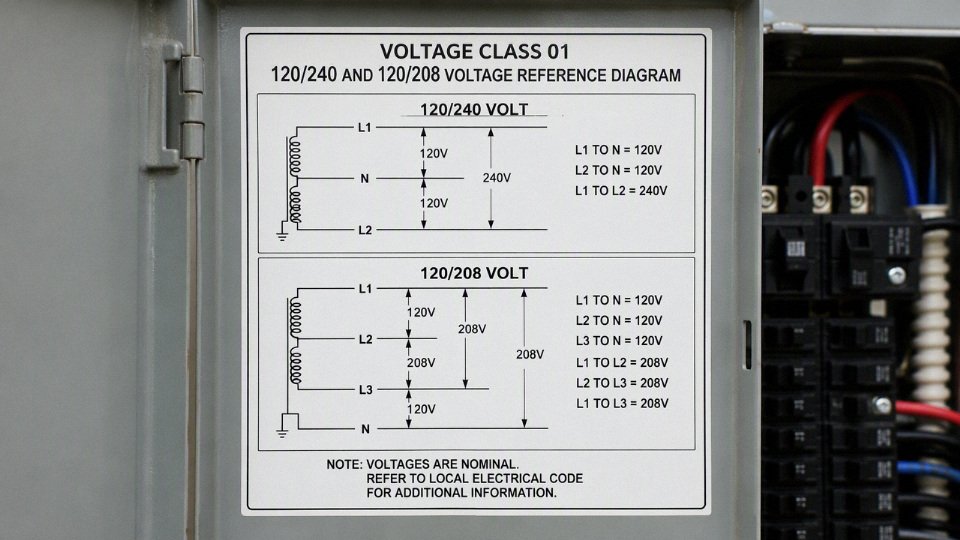
North American drawings often show systems such as 120/240V split phase or 120/208V three-phase wye. The first number is commonly the phase-to-neutral voltage used by line-to-neutral loads. The second is the line-to-line voltage between ungrounded conductors.On a 120/240V split-phase service, a receptacle load may see 120V from line to neutral, while a water heater or small compressor may use 240V line to line. On a 120/208V wye system, office receptacles may be 120V line to neutral, while certain three-phase loads use 208V line to line. If the drawing note says “120V control,” it is usually identifying the utilization voltage of that control circuit, not the highest voltage present anywhere in the panel.

A 120V circuit can exist inside medium-voltage equipment.
This is where experienced plant people sometimes talk past each other. A medium-voltage switchgear lineup may contain 120V AC control power for breaker close and trip circuits, space heaters, indication lamps, relay power supplies, test switches, or auxiliary devices. The cabinet, lineup, and primary bus may belong to a medium-voltage installation, but the 120V secondary control circuit is still a low-voltage circuit.The boundary is important during design and maintenance. The presence of 120V control wiring does not reduce the hazards of the adjacent medium-voltage compartment, and the presence of medium-voltage bus does not reclassify every small control conductor as medium voltage. Separation, barriers, interlocks, labeling, test access, CT/PT secondary handling, and lockout procedure decide how safely the work is done.
Classify the circuit by its actual nominal voltage and function, then specify the cable and equipment for the installation environment it lives in. In cross-border procurement, that usually means writing both pieces clearly: for example, “120V AC control circuit, cable rated 600V, suitable for installation inside low-voltage control compartment of medium-voltage switchgear, certifications as required by project specification.” That wording prevents the buyer from under-ordering cable, over-calling the voltage class, or asking a supplier for a “medium-voltage 120V cable,” which is not a technically clean requirement.
Where 120V appears
120V shows up most often as a utilization voltage: outlets, lighting, controls, small loads, auxiliary devices, and convenience power near equipment. It is normally a low-voltage circuit, but the surrounding installation can make the cable requirement much more demanding than the voltage number suggests, especially in wet, oily, hot, mobile, outdoor, or classified areas.
Residential and light commercial branch circuits
In North American-style buildings, 120V is the everyday voltage behind many familiar loads:
- General-purpose receptacles
- Lighting circuits
- Small appliances
- Bathroom and kitchen circuits
- Office equipment
- Service panel branch breakers
- Split-phase 120/240V distribution
A typical single-family or small commercial service uses a split-phase system: line-to-neutral gives roughly 120V, while line-to-line gives roughly 240V. That distinction matters when specifying cable because the same panel may contain both 120V branch circuits and 240V loads such as HVAC equipment, dryers, pumps, or small workshop machinery.
For fixed building wiring, the conductor size, insulation rating, raceway method, grounding, overcurrent protection, and local code rules drive the specification. A 120V lighting circuit in a dry office ceiling is a very different cable problem from a 120V outdoor receptacle feeding a sign, even though the nominal voltage is the same.
Industrial control circuits
In factories, 120V is common inside and around control panels, especially in plants with North American electrical practices. You will see it feeding:
- Relay coils
- Contactor coils
- Indicating lights
- Selector switches and pushbutton stations
- Panel fans
- Cabinet lights
- Door-mounted service receptacles
- PLC auxiliary supplies
- Solenoid valves
- Control transformers stepping down from 480V, 600V, or another plant distribution voltage
This is where buyers sometimes make a bad shortcut: “It is only 120V, so any low-voltage wire will do.” Not quite. Inside a panel, wire routing, terminal temperature, short-circuit protection, oil mist, vibration, and wiring duct fill all affect service life. A control conductor that spends its life beside a hot contactor or a transformer core will age differently from a receptacle branch conductor in a wall.
The mechanism is simple enough. Higher ambient temperature and poor ventilation accelerate insulation aging; vibration works screws and ferrules loose; oil or coolant attacks jacket compounds that were never chosen for that exposure. The electrical stress at 120V is modest, but the mechanical and thermal stress may be the real failure driver.
In practice, many industrial control circuits are specified with 300V or 600V rated control wire depending on panel standard, terminal requirements, and purchasing rules. The higher voltage rating is not because the circuit has become “medium voltage.” It is usually selected for compatibility, insulation margin, availability, and panel-building convention.
Instrumentation and automation support systems
Instrumentation loops themselves are often 24V DC, millivolt signals, 4–20 mA analog, RTD, thermocouple, Ethernet, fiber, or bus communication. Still, 120V often sits nearby as support power for equipment that makes the instrument system useful:
- Analyzer shelters
- Sample conditioning cabinets
- Heat tracing controls
- Cabinet heaters
- Utility receptacles
- Small pumps
- Ventilation fans
- Lighting inside skids or enclosures
- UPS-fed auxiliary loads
- Maintenance outlets near instrumentation racks
This mixed-voltage environment deserves careful segregation. Signal circuits do not like being bundled casually with AC power, especially over long parallel runs. Noise coupling, grounding mistakes, and messy terminations are easier to create than to troubleshoot at 2 a.m. when an analyzer is drifting and operations wants the unit back online.
Cable selection here is often about more than voltage class. Shielding, pair twisting, drain wires, jacket material, flame performance, tray rating, and chemical resistance may matter more than whether the nominal supply is 120V. For instrumentation areas, the environment and signal integrity requirements often dominate the cable construction decision more than the 120V rating itself.
A 120V circuit can require a more robust cable than a higher-voltage circuit if the 120V cable is installed in a harsher environment.True
Voltage rating addresses electrical insulation withstand. Cable construction also depends on temperature, oil exposure, sunlight, flame performance, movement, mechanical protection, shielding, and installation method.
Data centers, facilities, and infrastructure
Data centers and larger facilities rarely operate on only one voltage. A single site may have 120V convenience circuits beside 208V rack power, 240V equipment feeds, 277V lighting, 480V mechanical equipment, UPS distribution, generators, automatic transfer switches, and emergency panels.
The same applies in hospitals, airports, laboratories, water treatment plants, rail facilities, and telecom rooms. A 120V outlet may be normal power, UPS-backed power, emergency power, isolated power, or maintenance-only power. From a procurement standpoint, that status changes identification, routing, allowable downtime, testing, and documentation. In some facilities, the cable jacket color or labeling system is almost as important as the conductor size because maintenance teams must know what can and cannot be de-energized.
The trade-off is between standardization and precision. Standard cable inventories reduce lead time and purchasing errors; project-specific cable constructions reduce risk in demanding areas. The preferred choice flips when the circuit leaves a benign indoor environment and enters a riser, plenum, exterior run, wet area, tray system, generator room, battery room, or mission-critical power path.
Machinery and equipment exports
Exported machinery often carries two electrical realities at once. The main motors, heaters, or drives may be built for 400V, 415V, 480V, or 600V, while the control transformer provides 120V for North American users. Equipment may also include 120V convenience receptacles, stack lights, HMI cabinet lighting, maintenance lamps, or auxiliary service tools.
For OEMs, this is less about the theoretical voltage class and more about acceptance at the destination plant. The buyer may require UL-recognized components, specific wire markings, certain insulation temperature ratings, or a documented control voltage. A technically functional panel can still fail an incoming inspection if the cable markings, terminal ratings, or documentation do not match the procurement specification.
One common procurement mistake is to specify the machine’s main supply voltage only. That leaves the control circuit, transformer secondary, panel wiring, cord sets, and auxiliary devices underdefined. On a large order, that gap can turn into rework, delayed commissioning, or a painful argument over who pays for field modification.
Marine, mining, oil and gas, renewable energy, and temporary power
In harsher sectors, 120V often appears as portable power, lighting, controls, heaters, tools, small pumps, analyzers, and service receptacles. These circuits may be low voltage, but the cables may need specialized construction:
- Oil-resistant jackets for drilling, processing, maintenance, or machine areas
- Sunlight-resistant compounds for outdoor tray, rooftop, solar, and temporary site power
- Flame-retardant or low-smoke properties where required by the installation specification
- Flexible cable for portable tools, moving skids, generators, welding support, or temporary distribution
- Water, mud, abrasion, and crush resistance in mining or construction conditions
- Marine-grade suitability where salt, vibration, confined routing, and fire performance are project drivers
- Cold-weather flexibility for outdoor work in winter climates
- Chemical resistance around process units, battery rooms, washdown zones, and offshore support areas
The boundary is worth stating plainly: if the circuit is an ordinary fixed 120V load in a clean indoor building, the voltage classification and standard code-compliant wiring method usually settle most of the question. Once the same 120V circuit is installed in a plant, vessel, mine, renewable site, temporary power setup, or export machine, cable construction becomes a service-condition decision, not just a voltage decision.
Safety and compliance duties
Low voltage does not mean low responsibility. A 120V circuit still needs correct overcurrent protection, grounding or bonding, insulation integrity, conductor sizing, enclosure protection, labeling, isolation provisions, and installation under the electrical code that governs the site. The classification mainly tells you which rule family and equipment category you are in; it does not make the circuit safe to improvise.
A 120V circuit is low voltage, so it is automatically safe to touch.False
Low-voltage classification is a voltage-class label, not a shock-risk waiver. Injury risk depends on body resistance, contact path, exposure duration, grounding conditions, and whether protective devices operate fast enough.
What the low-voltage label does not remove
For an engineer or buyer, the practical mistake is assuming that because 120V is not medium voltage, the installation can be treated casually. Inspectors will not accept that. Neither will a maintenance supervisor after a nuisance trip turns into a burned terminal block inside a cabinet.
A compliant 120V installation still has to address:
- Overcurrent protection: Breakers or fuses must match the conductor ampacity, equipment rating, load type, and code requirements. A 20A breaker on wiring, terminals, or receptacles not rated for that duty is not a paperwork issue; it is a heat source waiting for a poor connection.
- Grounding and bonding: Metal enclosures, raceways, machine frames, junction boxes, and equipment grounding conductors must provide a reliable fault-current path where the system design requires it. Paint under a bonding lug, loose locknuts, or corroded conduit threads can defeat a design that looks fine on the drawing.
- Insulation integrity: The cable insulation rating must suit voltage, temperature, oil exposure, sunlight, moisture, abrasion, and the enclosure environment. A cable that survives a clean office wall may fail quickly near coolant mist, hydraulic oil, or a warm motor starter bucket.
- Conductor sizing: Ampacity is affected by conductor material, insulation temperature rating, installation method, ambient temperature, grouping, and duty cycle. In practice, the problem often appears after someone adds “just one more” load to an already crowded wireway.
- Enclosure protection: Panels, junction boxes, plugs, glands, strain reliefs, and cable entries must suit the location. Washdown areas, outdoor walls, dusty process rooms, and control cabinets on vibrating machinery are not the same installation.
- Code-based installation: NEC, IEC-based national rules, local utility requirements, machine safety standards, and site specifications can all affect the final design. The applicable rule set must be confirmed for the jurisdiction and the equipment being supplied.
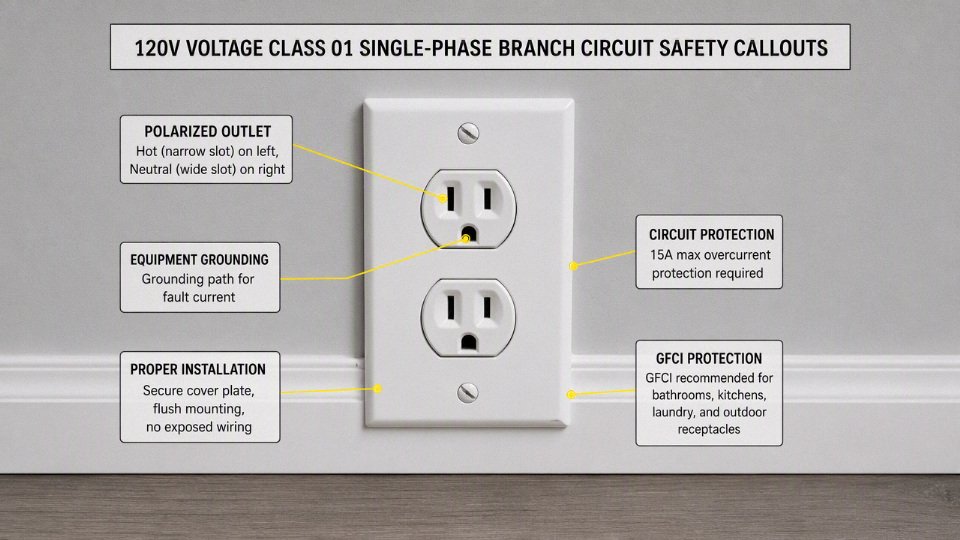
Shock risk at 120V is conditional, not theoretical
A dry fingertip brushing one conductor in insulated shoes is not the same event as a wet hand-to-hand contact across a circuit while leaning against a grounded stainless frame. At 120V, the available touch current can become dangerous when body resistance drops, the current path crosses the chest, or the person cannot release the conductor quickly.
The main variables are worth spelling out because they change the engineering controls:
- Body resistance: Dry skin can limit current, but sweat, cuts, wet gloves, conductive dust, or wet floors can reduce resistance sharply. Food plants, outdoor panels, cooling towers, laundries, and wash bays deserve extra caution.
- Contact path: Hand-to-hand and hand-to-foot paths are more hazardous than a small localized contact because current may pass through the chest. A technician reaching into a cabinet with one hand while the other rests on a grounded door is a classic bad posture.
- Exposure duration: Protective devices may not trip for every shock condition. A person can be injured before a breaker sees enough current to operate, especially if the current is below the breaker’s thermal or magnetic trip threshold.
- Grounding conditions: A solid equipment grounding path helps clear faults, but it can also create a reference point that completes a shock path if someone contacts an energized conductor. Grounding is essential; it is not personal protective equipment.
- Protective devices: Ground-fault and residual-current protection can reduce risk in many installations, but they must be correctly selected, tested, and coordinated with the circuit. A device bypassed after “nuisance trips” is just decoration with a test button.
Voltage classification never grants permission for energized work. Only qualified personnel, following the applicable electrical safety procedure and using verified isolation or approved energized-work controls, should inspect or work on energized equipment.
Fire risk is usually a heat-management failure
Most 120V electrical fires I have seen or investigated around equipment did not start because 120V was somehow exotic. They started because current, resistance, enclosure conditions, and maintenance discipline were not managed together.
Typical causes include:
- Overload: Continuous loads, heater circuits, power supplies, lighting, receptacle strips, and convenience outlets can creep beyond the original design. The breaker may hold long enough for conductors or terminals to run hot, especially in warm panels.
- Short circuit or ground fault: Damaged insulation, pinched cords, crushed flexible conduit, failed gland seals, or metal chips inside a cabinet can create high fault current. The protective device must interrupt safely within its rating.
- Loose terminations: A slightly loose screw terminal or spring clamp with a poorly stripped conductor raises contact resistance. Heat increases oxidation, oxidation raises resistance, and the failure accelerates. Thermal cameras find this kind of defect often, but only if panels are inspected under load.
- Undersized conductors: Cable selected only by voltage rating can still be wrong if ampacity, derating, or termination temperature limits are ignored. A 600V marking on the jacket does not mean the conductor is suitable for any 120V load.
- Damaged insulation: Forklift contact, sharp tray edges, oily cable chains, repeated flexing, rodents, and UV exposure all shorten cable life. The first sign may be nuisance tripping; the second may be smoke.
- Excessive bundling and poor ventilation: Many current-carrying conductors in a closed wire duct can run hotter than expected. Variable plant temperatures matter too; a cabinet that is fine in January may cook in July near a roofline.
- Incorrect cable type: Using indoor cable outdoors, non-oil-resistant cable in a machining area, or non-flex cable in moving service invites failure. The voltage number is only one line in the specification.
The trade-off is familiar in procurement: a higher-rated or more rugged cable may buy thermal margin, mechanical durability, or inventory simplification, but it may also be stiffer, harder to terminate, more expensive, and slower to source. The preferred choice flips when the installation environment is harsher than the electrical load suggests.
Protective devices and grounding each do a different job
Breakers, fuses, residual current devices, ground-fault circuit interrupters, arc-fault protection, and equipment grounding conductors are not interchangeable. They protect against different failure modes, and a safe design often uses several layers.
| Protection element | Primary function | Practical watch point |
|---|---|---|
| Circuit breaker | Opens on overload or short-circuit conditions within its trip curve | Must match conductor ampacity, interrupting rating, load behavior, and panel listing |
| Fuse | Provides calibrated overcurrent protection, often with high fault-current interrupting capability | Replacement fuse class and rating must be controlled; “whatever fits” is a maintenance hazard |
| Residual current device / GFCI | Trips when imbalance suggests leakage current to ground | Required in many wet, outdoor, temporary, receptacle, or personnel-protection applications; verify local code |
| Arc-fault protection | Detects certain arcing signatures that may not create high overcurrent | Application depends on code, occupancy, and equipment type; nuisance diagnosis requires care |
| Equipment grounding conductor | Provides a low-impedance fault-current path and bonds exposed conductive parts | Continuity depends on terminations, bonding hardware, corrosion control, and installation workmanship |
A common misunderstanding is expecting a standard breaker to protect people from shock. It mainly protects the circuit conductors and equipment from excessive current. If a person becomes part of a leakage path that does not exceed the breaker trip threshold, the breaker may never know anything is wrong.
Labeling, isolation, and mixed-voltage enclosures
Control cabinets and machinery are where 120V gets underestimated. A panel may contain 480V motor power, 24VDC controls, 120V control transformers, receptacles, lighting, Ethernet devices, and stored-energy components behind the same door. Calling one circuit “only 120V” is poor lockout discipline.
Good practice includes:
- Clear panel voltage labels at doors, covers, and disconnects.
- Circuit identification on terminal blocks, wire markers, breakers, fuses, receptacles, and control transformers.
- Segregation or barriers where required between different voltage classes or circuit types.
- A documented isolation method for all incoming supplies, including externally fed control voltage.
- Verification points for absence of voltage, not just an assumption that opening the main disconnect kills everything.
- Warning labels for backfeed, UPS supplies, control transformers, interlocks, panel lighting circuits, and convenience outlets.
- Updated drawings kept with the machine or panel, not locked in someone’s laptop from three maintenance managers ago.
This is where procurement specifications should be explicit. If a machine skid includes 120V control wiring, state the required cable rating, marking, insulation type, flame performance, terminal standard, panel labeling language, and documentation package. Ambiguity here causes field rework, especially on imported equipment.
Medium-voltage practices usually do not belong on ordinary 120V circuits
Ordinary 120V branch circuits do not require medium-voltage cable accessories such as shielded power cable terminations, stress cones, separable connectors, partial discharge testing, or specialized medium-voltage switching procedures. Those methods exist because medium-voltage insulation systems deal with electric stress control, shielding, discharge behavior, and switching energy at a very different scale.
Misclassification creates two opposite problems:
- Treating 120V as medium voltage can lead to over-specified cable, wrong accessories, bulky terminations, higher freight cost, longer lead times, and shop confusion. A buyer asking for shielded medium-voltage cable for a 120V branch circuit may receive quotes that are technically impressive and commercially wasteful.
- Treating 120V as harmless can lead to missing GFCI requirements, poor bonding, undersized conductors, overloaded convenience circuits, unmarked live parts, failed inspection, and unsafe maintenance exposure.
The boundary is installation context. If a 120V control circuit is inside medium-voltage switchgear, a substation control house, or a utility protection panel, the 120V conductors are still low-voltage conductors, but the work environment may require utility procedures, arc-flash controls, access restrictions, and documentation rules tied to the larger equipment. The circuit classification does not erase the surrounding hazard.
Cable selection factors
For a 120V circuit, cable selection is normally driven less by the voltage class and more by the installation method, load current, ambient condition, fire requirement, mechanical risk, and certification jurisdiction. A 120V circuit may use cable rated 300V, 600V, 0.6/1 kV, or higher where the project specification or environment requires it, but the cable voltage rating must at least cover the circuit requirements.
A higher voltage-rated cable used on a 120V circuit does not make the circuit medium voltage.True
Voltage class is based on the nominal circuit voltage and system context, not merely the maximum voltage rating printed on the cable jacket. A 0.6/1 kV cable can be used on a 120V low-voltage circuit when allowed by the applicable installation rules and project specification.
Voltage rating is the starting point, not the whole specification
The cable’s voltage rating is an insulation system rating. It tells you the maximum voltage environment the cable was designed and tested for under defined conditions; it does not redefine the circuit it serves. In procurement, I usually treat voltage rating as a gate check: if it is too low, reject it; if it is higher than needed, check size, flexibility, termination fit, cost, and certification before accepting it.
Common voltage ratings seen around 120V circuits include:
| Cable voltage rating | Where it may appear on 120V circuits | Practical procurement note |
|---|---|---|
| 300V | Appliance leads, control wiring, some flexible cords, panel wiring depending on standard and use | Often compact and flexible, but not automatically suitable for building feeders, trays, wet locations, or rough industrial service |
| 600V | Branch circuits, industrial control panels, machinery wiring, North American building and plant wiring | Very common for 120V power and control circuits; still verify insulation type, listing, temperature rating, and installation method |
| 0.6/1 kV | IEC-style low-voltage power cable, industrial plants, infrastructure projects, export specifications | Common in international procurement; suitable only when the cable construction and certification match the installation |
| Higher ratings | Special environments, utility interface rules, mining, marine, harsh mechanical or thermal exposure, project standardization | May be technically acceptable, but can add cost, stiffness, larger diameter, and termination difficulty |
The mistake is buying “a 120V cable” as if voltage alone defines the product. Two cables can both be acceptable by voltage rating and still be completely different in ampacity, flame behavior, flexibility, oil resistance, sunlight resistance, and inspection acceptance.
Conductor material: copper is common, aluminum is conditional
Copper is the default choice for many 120V branch, control, and machinery circuits because it gives high conductivity in a compact cross-section, handles small terminals well, and is easier to route in crowded panels. For control cabinets, lighting circuits, receptacle branches, and equipment wiring, copper also avoids many termination headaches. A #12 or #14 copper conductor, where permitted by the relevant code and load, is simply easier to land neatly on terminal blocks than an equivalent aluminum conductor.
Aluminum can make sense for larger feeders or cost-sensitive runs, especially where cable size is already large and terminals are rated for aluminum. The trade-off is not only electrical resistance. Aluminum needs larger conductor area for similar ampacity, has different thermal expansion behavior, and requires compatible lugs, proper surface preparation where specified, correct torque, and sometimes oxide-inhibiting compound depending on the termination system. In a plant that has poor torque-control discipline, aluminum terminations deserve extra caution. Loose neutral or phase terminations on a 120V circuit can create heat, nuisance faults, and intermittent equipment problems that are hard to diagnose on night shift.
A practical purchasing split looks like this:
- Use copper where routing is tight, circuit sizes are small, control reliability matters, vibration is present, or terminal compatibility is uncertain.
- Consider aluminum for larger feeders where allowed by code, specified by the engineer, and supported by listed or approved terminations.
- Avoid mixing assumptions: a cable may be aluminum-compatible electrically but still unsuitable because the panel lugs, breaker terminals, gland plates, or maintenance procedures are not.
Conductor size: ampacity, voltage drop, and installation reality
Conductor size is not selected from load current alone. Ampacity tables are based on assumptions: insulation temperature rating, ambient temperature, number of current-carrying conductors, wiring method, and sometimes installation location. Once the cable is pulled through a hot ceiling space, grouped in a loaded tray, or bundled in a machine harness next to a VFD output cable, the catalog ampacity may no longer be the usable ampacity.
The main sizing checks are:
- Load current and protective device rating
The conductor must be coordinated with the breaker, fuse, or other overcurrent protection. A 120V load that only draws a few amps may still be on a circuit protected at a higher rating, so the cable must be sized for the protection scheme unless a specific tap rule or equipment rule applies. Continuous operation
Loads running for long periods heat the conductor and insulation continuously. Lighting, heaters, power supplies, process controls, and small fans can be dull loads, but they sit there all day. Continuous load factors and code requirements must be applied where relevant.Voltage drop
At 120V, voltage drop bites earlier than many buyers expect because the system voltage is low. A few volts lost on a long run to a small motor, solenoid bank, PLC power supply, or remote receptacle can cause weak starting, relay chatter, low heater output, or nuisance alarms. Estimating voltage drop needs conductor resistance, length, current, phase arrangement, temperature, and acceptable equipment voltage tolerance.Ambient temperature and grouping
Cables in a shaded office ceiling and cables in a summer rooftop conduit are not living the same life. Grouped conductors heat each other; tray fill and conduit fill also affect heat dissipation and pulling damage risk.Starting current and load behavior
Motors, transformers, solenoids, power supplies, and compressors may draw inrush current several times their running current. The cable does not need to be sized for every millisecond peak as if it were continuous, but voltage drop during starting and protective device coordination must be checked.Mechanical pulling and termination limits
Oversizing may reduce voltage drop, but it can create practical problems: tight bend radius, overfilled conduit, glands that do not seal properly, terminals that will not accept the conductor, and trays that become overloaded.
The preferred size often flips when the route changes. A short indoor receptacle branch may be governed by ampacity and code minimums; a long outdoor run to a gate operator or remote pump control may be governed by voltage drop and wet-location insulation before ampacity becomes the limiting factor.
Insulation choice depends on heat, chemicals, fire behavior, and flexibility
Insulation material is where many low-voltage cable mistakes hide. A cable rated for the voltage can still fail early if its insulation is wrong for oil mist, washdown chemicals, sunlight, cold flexing, or high ambient temperature.
Typical insulation and compound choices include:
| Insulation or compound | Strengths | Watch points |
|---|---|---|
| PVC | Economical, widely used, good general-purpose performance, many flame-retardant formulations | Can stiffen in cold conditions; heat, oil, and chemical resistance depend heavily on grade |
| XLPE | Good thermal and electrical performance, common for power cable, better heat resistance than basic PVC | Less flexible than some rubber compounds; termination and bending requirements must be checked |
| EPR | Flexible, good electrical properties, often used where flexibility and moisture performance matter | Usually higher cost; jacket system still determines oil, abrasion, and sunlight resistance |
| PE | Good moisture and dielectric properties | Flame performance may need special formulation or jacket; not automatically suitable for building interiors |
| LSZH compounds | Lower smoke and halogen acid gas generation in fire compared with many halogenated materials | Mechanical properties and approvals vary; do not assume every LSZH cable meets the same flame test |
| Heat-resistant or oil-resistant compounds | Useful near machinery, motors, hydraulic systems, ovens, and process equipment | Must match the actual exposure: oil splash, continuous immersion, coolant, UV, or elevated ambient are different problems |
The mechanism is straightforward: heat accelerates insulation aging, chemicals extract plasticizers or attack polymers, and repeated flexing cracks materials that were meant for static installation. On a plant floor, that shows up as nuisance ground faults, brittle jackets in cable trays, oily cords swelling near machine tools, or cracked insulation at a vibrating junction box. The boundary is the manufacturer’s tested construction; material names alone are not enough. “PVC” or “XLPE” on a datasheet is not a complete environmental rating.
Jacket, armor, and installation construction
The outer construction should match how the cable will be installed and abused. Indoor wiring in conduit has a different risk profile from direct burial cable, tray cable, flexible machine cable, or marine cable on a vibrating platform. Do not pay for armor where conduit already provides mechanical protection unless the specification calls for it; do not omit armor or a rugged jacket where forklifts, sharp tray edges, rodents, or mining equipment can reach the cable.
Common construction decisions include:
- Indoor conduit wiring: focus on conductor type, insulation rating, pulling lubricant compatibility, conduit fill, and temperature rating.
- Tray cable: verify tray-use approval, flame test requirement, sunlight resistance if outdoors, and support spacing.
- Outdoor exposed cable: require UV or sunlight-resistant jacket, wet-location suitability, and temperature range suitable for local seasons.
- Direct burial: check moisture blocking, crush resistance, burial approval, armoring or protective covering, and local installation depth rules.
- Flexible machinery wiring: prioritize flex life, oil resistance, abrasion resistance, bend radius, and compatibility with drag chains if used.
- Industrial plant service: consider chemical vapors, washdown, welding spatter, vibration, and maintenance handling.
- Marine use: look for marine approvals, oil resistance, flame and smoke requirements, and corrosion-resistant accessories.
- Mining or harsh environments: mechanical protection, flame performance, impact resistance, and jurisdiction-specific approval become decisive.
One small procurement trap: accessories must match the cable. A good cable with the wrong gland, lug, seal, or strain relief becomes a weak installation. I have seen well-specified cable defeated by cheap glands that cut the jacket or let water track into a panel.
Shielding, twisting, and separation
Ordinary 120V power circuits do not need medium-voltage metallic shielding. Medium-voltage shielding is used to control electric stress and provide a controlled fault path in cables operating at much higher voltage levels; it is not required just because a cable has a 600V or 0.6/1 kV marking.
Control and instrumentation circuits are a different discussion. A 120V solenoid circuit, relay circuit, or small power supply feed may share space with analog signals, encoder wiring, network cable, VFD leads, or radio equipment. In that environment, the problem is electromagnetic compatibility, not voltage class.
Useful measures include:
- twisted conductors for certain control and signal circuits;
- shielded cable for sensitive instrumentation or noisy environments;
- proper shield grounding method based on the system design;
- physical segregation between power, control, communication, and VFD output cables;
- metal conduit or tray separation where plant rules require it;
- surge protection and bonding where long outdoor runs are exposed.
Shielding has a trade-off. It can reduce noise problems, but it adds cost, diameter, termination labor, and grounding details that maintenance crews must preserve. Poorly terminated shields can make noise worse, especially when someone bonds both ends without understanding the grounding system or leaves the drain wire floating in a cabinet.
Certification and purchasing documentation
The accepted cable is the one that satisfies the authority having jurisdiction, project specification, end-user standard, and installation environment. Depending on market and project, buyers may need UL, CSA, IEC-based test documentation, CE-related technical documentation where applicable, flame test reports, RoHS-related declarations, material certificates, factory test reports, or third-party inspection documents. CE marking is not a generic cable quality badge; its relevance depends on the product type, market, and applicable directives or regulations.
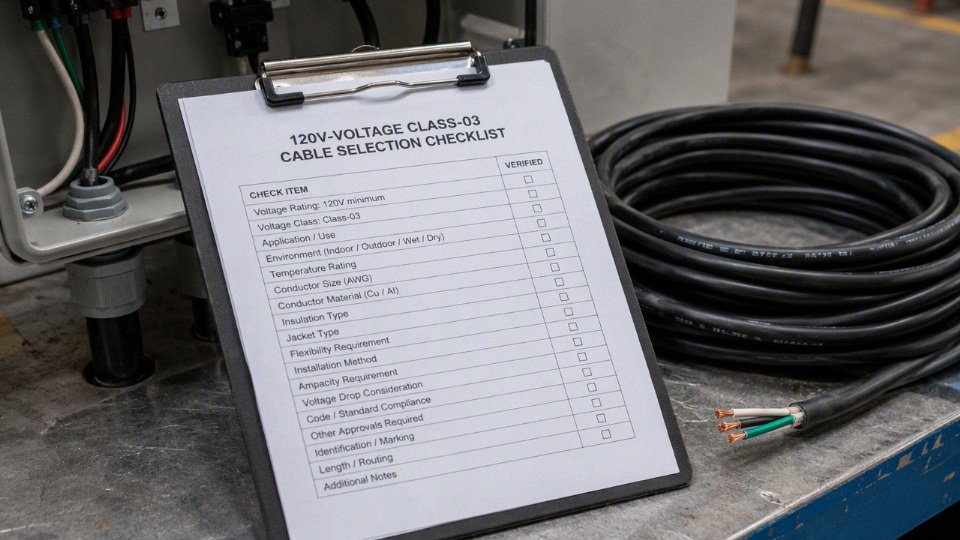
For a clean purchase order, specify at least:
- nominal circuit voltage and required cable voltage rating;
- conductor material, size, stranding, and number of cores;
- insulation and jacket material;
- temperature rating;
- installation method: conduit, tray, direct burial, flexible use, marine, mining, or other;
- wet, outdoor, UV, oil, chemical, or heat exposure;
- flame, smoke, halogen, or fire-performance requirement;
- shielding, twisting, armor, or grounding requirements;
- required certification marks and test documents;
- packaging, drum length, color coding, printing, and inspection requirements.
For 120V circuits, the engineering question is rarely only “Is it low voltage?” It is: will this exact cable survive the route, carry the load without excessive heating or voltage drop, pass inspection in the project jurisdiction, and terminate cleanly in the equipment already bought? That is the difference between a cable that looks correct on a quotation and a cable that works after installation.
Procurement specification requirements
A good 120V cable inquiry should state the circuit clearly, then specify the cable independently from the circuit. “120V cable” is not enough for a factory, distributor, or EPC buyer to quote accurately; the supplier needs the system configuration, rated voltage, conductor build, insulation system, installation environment, certification package, and logistics plan.
Start with the electrical system, not the product name. A 120V load may sit on a simple single-phase branch circuit, a 120/240V split-phase service, or a 120/208V three-phase wye panel feeding controls, lighting, receptacles, heaters, UPS bypass circuits, or auxiliary power. Those are not the same from a neutral-loading and cable-core-count perspective.
For an RFQ, write the circuit description in a way a technical sales engineer can route directly to engineering:
- 120V single-phase, line-neutral branch circuit
- 120/240V split-phase, two ungrounded conductors plus neutral
- 120/208V three-phase wye auxiliary circuit with shared or dedicated neutral
- 120V control circuit from a transformer secondary
- 120V temporary power circuit, cord set, reel, or portable distribution assembly
Then state the cable rated voltage separately. For 120V circuits, common cable ratings may include 300V, 600V, or 0.6/1 kV depending on the standard family, installation method, insulation type, and project convention. A North American industrial project may default to 600V-rated building wire or tray cable for ordinary 120V branch circuits; an IEC-based procurement package may call for 300/500V or 0.6/1 kV cable depending on the installation and national adoption. Do not ask the supplier to infer rated voltage from the load voltage; that is where wrong substitutions and delayed clarifications usually start.
The conductor description needs the same discipline. Material should be stated as copper, tinned copper, aluminum, or another approved option. Size should be given in AWG, kcmil, or mm², not mixed casually unless both values are intentionally specified. Stranding matters: solid conductors suit fixed building wiring in some systems, while flexible stranded conductors are needed for panel wiring, machine leads, vibration areas, portable cords, or tight enclosure routing. In my experience, the cheapest quote often hides here: two offers may both say “12 AWG copper,” but one is a rigid construction intended for conduit and the other is a fine-stranded flexible cable suitable for repeated door movement.
State all conductor functions:
- Phase or line conductors
- Neutral conductor, including whether it is full-size, oversized, or shared
- Equipment grounding conductor or protective earth
- Control, signal, drain, or shield conductors if bundled in the same cable
- Number of cores or conductors, with color identification requirements
Insulation and jacket requirements should be written around the environment, not copied blindly from a previous job. Specify the compound type where known, such as PVC, XLPE, rubber, thermoplastic elastomer, LSZH, or another project-approved material. Give the operating temperature rating, wet/dry rating if applicable, and any color requirements for line, neutral, ground, or control identification. If the cable may see oil mist, cutting fluid, washdown water, UV exposure, battery-room vapors, cold outdoor starts, or frequent bending, say so.
The mechanism is straightforward: insulation selection affects heat aging, moisture resistance, flame behavior, bend performance, and chemical compatibility before it affects the purchase price. A PVC jacket that is fine in a dry electrical room may harden and crack on an outdoor cable tray through freeze-thaw cycles; a flexible rubber or TPE jacket may survive movement better but cost more and require different flame or oil-resistance verification. The preferred choice flips when the operating condition changes from fixed, protected routing to exposed, moving, wet, oily, or safety-critical installation.
Installation details are often the fastest way to clean up an RFQ. Include whether the cable will be used in:
- Conduit or raceway
- Cable tray
- Underground duct bank
- Direct burial
- Indoor dry location
- Outdoor exposed location
- Wet location or washdown area
- Hazardous classified area, subject to the governing code and equipment approval
- Marine or offshore environment
- Mining environment
- Moving machinery, festoon, drag chain, or pendant service
- Temporary power, portable generator, or construction site distribution
Hazardous locations, marine work, mining, and temporary power are not just “stronger cable” cases. They may trigger separate standards, flame tests, approvals, gland compatibility, armor requirements, sheath markings, or inspection documentation. The boundary of the ordinary 120V procurement approach is reached when the installation environment imposes a special approval regime; at that point, the voltage class is only one small part of the cable selection.
| Specification field | Incomplete inquiry | Technically complete inquiry | Risk avoided |
|---|---|---|---|
| Circuit description | “Need 120V cable” | “120/208V three-phase wye panel auxiliary circuits, line-neutral loads, dedicated neutral required” | Wrong core count, missing neutral, unsuitable substitution |
| Cable rated voltage | “For 120V use” | “600V-rated cable per project specification” or “0.6/1 kV cable per IEC-based package” | Quotation mismatch between regional practices |
| Conductor | “Copper wire” | “Copper, Class 2 stranded, 3 cores plus ground, 12 AWG or approved equivalent mm²” | Incorrect flexibility, size, grounding provision |
| Insulation and jacket | “PVC cable” | “XLPE insulation, PVC jacket, 90°C, oil-resistant, black outer sheath, sunlight-resistant” | Premature aging, failed site inspection, replacement labor |
| Installation environment | Not stated | “Outdoor tray, wet location, occasional oil exposure, minimum installation temperature to be confirmed” | Cable selected for the wrong duty |
| Flame and smoke performance | “Flame retardant” | “Flame performance to applicable project standard; LSZH required in occupied enclosed area” | Non-compliance with building, tunnel, ship, or plant rules |
| Certification and documents | “Need certificate” | “Factory test report, quality certificate, packing list, drum marking, traceable batch identification, third-party inspection if required” | Customs delays, client rejection, missing handover file |
| Logistics | “Send price” | “Total quantity, drum length preference, destination port/site, packing method, delivery schedule, long-term supply expectation” | Unusable drum lengths, freight surprises, schedule slippage |
Documentation deserves its own line in the procurement file. Ask for the applicable product standard, test reports available from the factory, quality certificate, certificate of conformity where relevant, packing list, label content, drum marking, and traceability method. If the end user requires third-party inspection before shipment, state that during quotation, not after production. Inspection hold points can affect lead time, especially when drums must remain accessible for sampling or marking review.
Commercial details are not clerical; they affect manufacturing and freight decisions. Give the order quantity, required drum lengths, minimum acceptable cut length, delivery destination, packing method, preferred shipping window, and whether the order is a one-time project buy or part of a long-term supply agreement. A buyer who needs fifty short drums for site distribution should not be quoted the same packing plan as a distributor buying full production lengths for warehouse stock.
For international buyers, Jinda’s integrated R&D, production, sales, technical support, and after-sales service structure is useful at the RFQ stage because engineering questions, production feasibility, documentation needs, and post-delivery support are not handled as isolated conversations. Before bulk procurement, a technical review can align the 120V circuit use with the requested cable rating, construction, standard, marking, packing, and traceability expectations, reducing the kind of back-and-forth that burns two weeks before anyone has even confirmed the right cable.
Frequently asked questions
Is 120V low voltage?
Yes. A normal 120V circuit is treated as low voltage under common electrical, cable, building-service, and industrial procurement classifications. For purchasing purposes, the cable is usually specified by its actual construction and rating, such as 300V, 600V, or 0.6/1 kV cable, not by calling the circuit “medium voltage.”
A normal 120V branch circuit is low voltage, not medium voltage.True
In common engineering and utility practice, medium voltage is above the low-voltage range, often starting above 1 kV. Exact thresholds still depend on the standard, utility, or project specification being used.
Is 120V ever medium voltage?
Ordinary 120V circuits are not medium voltage. You may, however, find 120V control power, lighting, receptacles, heaters, space-heater circuits, or instrument supplies inside equipment that also contains medium-voltage power sections.
That distinction matters on the plant floor. A medium-voltage switchgear lineup might contain 13.8 kV buswork and a 120V control circuit in the same enclosure family, but the 120V wiring does not become medium-voltage cable. The enclosure access rules, arc-flash labeling, segregation, terminations, and maintenance procedures may be driven by the equipment as a whole, while the 120V conductors are still selected as low-voltage/control wiring.
What voltage range is medium voltage?
Many engineering, utility, and industrial contexts treat medium voltage as above 1 kV and extending through common distribution-voltage ranges. In practice that often includes systems such as 3.3 kV, 4.16 kV, 6.6 kV, 10 kV, 11 kV, 13.8 kV, 15 kV, 22 kV, 33 kV, and similar regional classes.
The exact boundary is not universal. IEC-style project documents, NEC-based installations, IEEE terminology, utility procurement rules, and plant standards may not use identical cutoffs. For cable buying, do not rely on the words “medium voltage” alone; state the rated voltage, such as 8.7/15 kV, 12/20 kV, 18/30 kV, 600V, or 0.6/1 kV, as applicable.
Is 120V safer than 240V?
120V can reduce some shock and insulation-stress risks compared with 240V, but it is not automatically safe. A 120V circuit can still cause serious shock, burns, fire, nuisance tripping, equipment damage, or an arc event if it is miswired, overloaded, poorly protected, or worked on live.
In maintenance practice, the bigger difference is often the circuit condition rather than the nameplate voltage:
- Wet hands, metal ladders, grounded frames, and cramped panels increase shock risk.
- Undersized conductors create heating even at 120V.
- Loose terminals on receptacle strings and control transformers cause failures that look “minor” until they carbon-track.
- Short-circuit current depends on transformer size and impedance, not just voltage.
Treat 120V as energized electrical work unless it has been properly isolated, locked out, verified, and handled under the applicable site procedure.
Can I use 600V cable for 120V?
Yes, 600V-rated cable is commonly used on 120V circuits when the cable type, conductor size, insulation system, temperature rating, installation method, and certifications match the job. In North American-style industrial work, 600V cable is often a normal choice for branch circuits, control wiring, machine wiring, and panel connections.
The voltage rating being higher than 120V is not a problem by itself. The problems usually come from the wrong cable family, such as using a cable with the wrong flame rating, jacket material, oil resistance, tray approval, flexibility class, or conductor stranding. A stiff building wire that is acceptable in conduit may be a poor choice on a moving machine door, while a flexible control cable may not be acceptable for every fixed building installation.
Do 120V cables need shielding?
Ordinary 120V branch circuits usually do not need the metallic shielding associated with medium-voltage power cable. A receptacle circuit, small lighting circuit, or simple 120V heater feed is normally selected around insulation rating, ampacity, protection, routing, jacket, and code compliance.
Shielding may still be needed for other reasons. Common cases include:
- 120V control wiring routed near VFD output cables or large motor leads.
- Instrument or signal cables carrying low-level measurements in noisy areas.
- Encoder, sensor, or communication circuits that share trays with power wiring.
- Long runs where electromagnetic interference has already caused false trips or erratic readings.
- Panel wiring where the equipment manufacturer specifies shield termination practice.
Do not specify “shielded” casually. Shielding adds cost, termination work, grounding decisions, and potential troubleshooting issues if the drain wire is landed poorly.
What cable size is needed for 120V?
Cable size is determined by current, voltage drop, ambient temperature, installation method, conductor material, insulation temperature rating, bundling, protective device size, and local code rules. Voltage alone is not enough to size the conductor.
For example, a short 120V control circuit inside a panel and a long 120V receptacle run across a warehouse may both be “120V,” but they are not the same cable-sizing problem. The long run may be governed by voltage drop before ampacity becomes the limiting factor. A cable tray packed with other loaded conductors may need derating. High ambient temperature near an oven, boiler room, or rooftop can push the selection up a size or require a different insulation rating.
Is 120V AC the same as 120V DC for cable selection?
No. A cable that is suitable for 120V AC is not automatically suitable for every 120V DC application. The voltage rating, insulation behavior, switching duty, protection method, polarity marking, and applicable product standard should be checked separately.
DC circuits can be harder to interrupt because current does not naturally cross zero as it does with AC. That affects fuses, breakers, switches, contactors, and sometimes connector selection more than the cable copper itself, but the cable still has to be approved for the intended service. Battery systems, rectifier outputs, photovoltaic auxiliary circuits, and DC control systems should be reviewed against the equipment manual and applicable installation standard.
What should be stated on a cable purchase order?
A good 120V cable purchase order should remove guessing from the supplier’s side. At minimum, state:
- Circuit voltage and cable voltage rating, such as 120V circuit, 600V cable, or 0.6/1 kV cable.
- AC or DC service.
- Conductor material, usually copper or aluminum.
- Conductor size and stranding class.
- Number of cores or conductors, including ground if required.
- Insulation material and temperature rating.
- Jacket material, color, and marking requirements.
- Installation method, such as conduit, tray, direct burial, flexible machine wiring, indoor panel wiring, or outdoor exposed run.
- Required flame, oil, sunlight, moisture, chemical, or abrasion performance.
- Shielding or armor requirements, if any.
- Applicable standard and certification marks.
- Operating environment, including ambient temperature and wet, oily, corrosive, or UV-exposed areas.
- Total length, drum lengths, packing method, labeling, and delivery schedule.
For international procurement, I would also state the destination country and inspection requirements. That one line prevents a lot of avoidable back-and-forth, especially where one buyer says “120V cable” but the project actually requires a specific 600V, tray-rated, flame-tested, certified construction.
Verify your 120V cable specification
- Confirm the actual system voltage and voltage class.
A 120V circuit is low voltage, not medium voltage, but that answer only settles the classification — it does not complete the cable specification. Check whether the circuit is 120V line-to-neutral, part of a 120/240V single-phase system, derived from a control transformer, supplied by an inverter, or used inside an OEM panel. Procurement mistakes often start when “120V” is written without the system context. Identify AC or DC service.
A 120V AC branch circuit and a 120V DC battery, charger, control, or photovoltaic auxiliary circuit can lead to different insulation, polarity marking, switching, and protection requirements. DC also changes fault-clearing behavior, so do not assume the same cable construction simply because the voltage number matches.Define load current and duty.
State the continuous current, starting current if motors or solenoids are involved, duty cycle, ambient temperature, grouping with other cables, and whether the cable is fixed, flexing, tray-installed, conduit-installed, buried, or connected to moving equipment. In practice, a small nameplate current can become a heat problem when twenty control cables are packed into a warm enclosure above a VFD cabinet.Calculate conductor size and voltage drop.
Select conductor cross-section or AWG size from the applicable code, project standard, and installation method, then check voltage drop against the load sensitivity and cable run length. A 120V circuit has less voltage margin than a 480V feeder; a long run to a sensor cabinet, lighting string, or remote receptacle can become unreliable even when the ampacity looks acceptable.Select insulation and jacket construction.
Typical 120V circuits may use cable rated 300V, 600V, or 0.6/1 kV depending on the standard, equipment design, installation environment, and purchaser specification. The right choice depends on temperature rating, oil exposure, sunlight, moisture, abrasion, chemicals, flexibility, shielding needs, and whether the cable will share raceway or tray space with higher-voltage circuits.Verify flame, smoke, environmental, and mechanical requirements.
Industrial plants, rail facilities, marine projects, data centers, tunnels, and export packages may require specific flame performance, low-smoke halogen-free construction, UV resistance, oil resistance, armor, screen coverage, or tray rating. “Low voltage” does not mean “light duty.”Confirm certification, inspection, and test documents.
Before bulk ordering, align the cable with the project jurisdiction and buyer documents: IEC, NEC-based, UL/CSA, EN, GB, or project-specific requirements as applicable. Request the correct datasheet, test report, certificate, packing requirement, marking language, drum length, and traceability documents before production release, not after the cable is already on the dock.
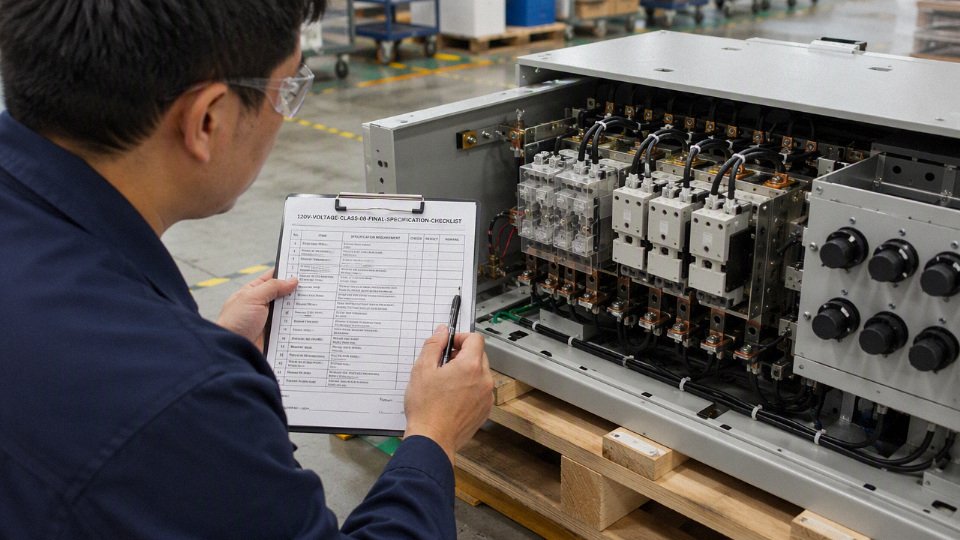
Two procurement errors sit at opposite ends of the same misunderstanding. One is overbuying medium-voltage cable for an ordinary 120V branch or control circuit; that usually adds cost, stiffness, termination difficulty, larger bend radius, and unnecessary inventory complexity. The other is under-specifying the cable because someone says, “It is only low voltage,” while ignoring heat, chemicals, tray flame rules, outdoor exposure, conductor voltage drop, or certification requirements.
A 120V circuit is classified as low voltage, but cable selection must still be verified against load, installation conditions, environmental exposure, and applicable project standards.True
Voltage class defines the category of the circuit; cable suitability depends on ampacity, insulation rating, installation method, temperature, mechanical protection, flame performance, and certification requirements.
For international projects, OEM equipment builds, EPC packages, industrial plant maintenance programs, and long-term supply contracts, send the full cable specification if you have one. If not, send the application description: system voltage, AC or DC, load current, approximate route length, installation method, ambient conditions, required standard or market, conductor preference, insulation and jacket expectations, flame or environmental requirements, quantity, drum length, and any sample datasheet you are trying to match.
Jinda’s technical and sales team can review a 120V low-voltage cable requirement, recommend a compliant cable construction, prepare a quotation, coordinate production planning, and support export-ready documentation for qualified projects. Clear inputs at the inquiry stage save far more time than correcting insulation, marking, certification, or packing details after procurement has already issued the purchase order.