You call a licensed electrician for a full residential rewire and the quote comes back somewhere between USD 8,000 and USD 15,000 — sometimes higher, depending on your region, panel complexity, and whether the walls need opening. That number stops a lot of homeowners cold. The immediate instinct is to wonder whether you can just do it yourself, and that question turns out to be legally complicated in ways most people don’t anticipate: pull work without the right permit and you’re looking at failed inspections, voided homeowner’s insurance, and serious liability if a fault causes a fire years down the line.
Whether you can legally wire your own house depends almost entirely on where you live. Roughly 40–70% of U.S. states allow homeowners to pull their own residential electrical permits without hiring a licensed electrician, but most require a passed inspection, some restrict the work to owner-occupied properties only, and a handful prohibit unlicensed residential electrical work outright. Knowing your jurisdiction’s rules before you touch a wire is non-negotiable.
What makes this genuinely interesting — and messier than a simple yes or no — is that the legal permission to do the work and the technical competence to do it safely are two separate problems that most guides collapse into one. The permit rules are actually the easier half to research. The harder part is understanding what the NEC actually demands at the circuit level, where DIY mistakes cluster, and how to make decisions about wire gauge and circuit loading that won’t come back to haunt you at inspection or, worse, inside a wall cavity three years from now.
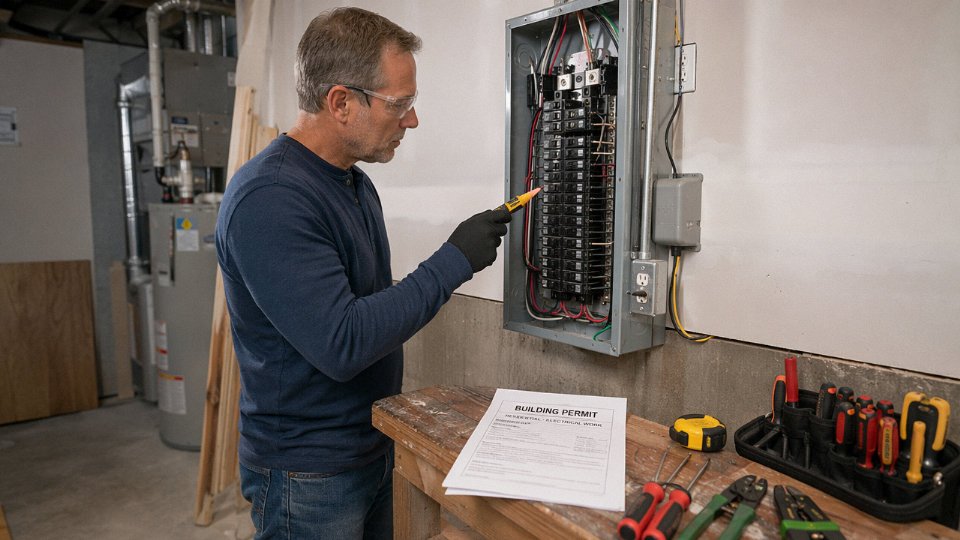
Jurisdiction-by-Jurisdiction Permit Rules: U.S. States, Canada, the UK, and Australia
The short answer most people want — “can I just do it myself?” — depends almost entirely on where your house sits. There is no single global rule. What’s perfectly legal in Texas is a criminal offense in Victoria, Australia, and what satisfies a British building inspector may be completely irrelevant to a Canadian provincial authority. Let’s work through each market in enough detail to be actually useful.
United States: The AHJ Is the Final Word
In the U.S., the Authority Having Jurisdiction (AHJ) — usually the local building department or county — holds the real power. The National Electrical Code sets the technical floor, but the AHJ decides who is allowed to pull permits and perform the work. Roughly 40–70% of states allow homeowners to pull their own residential electrical permits, though the exact figure shifts because several states leave the decision to individual municipalities. A county in Florida may allow it freely; a city within that same state might require a licensed contractor for any work beyond replacing a receptacle.
States that generally allow homeowner-pulled permits include Texas, Florida, Colorado, Georgia, and most of the rural Midwest. States that require a licensed master electrician for essentially all residential electrical work include Oregon, Nevada, and Massachusetts. California sits in a middle ground: homeowners can pull permits for work on owner-occupied single-family homes, but enforcement and inspection scrutiny varies significantly by county.
The table below captures the general pattern across representative states. Treat this as a starting framework — always verify with your local AHJ before touching a single wire.
| State / Region | DIY Permit Allowed | Inspection Required | Owner Must Occupy | Notes |
|---|---|---|---|---|
| Texas | Yes | Yes | Yes (typically) | AHJ varies by city; Houston has its own amendments |
| Florida | Yes | Yes | Yes | Homeowner exemption well-established; condos excluded |
| Colorado | Yes | Yes | Yes | Some municipalities add local licensing overlays |
| Oregon | No | Yes | N/A | Licensed electrician required for all work |
| Nevada | No | Yes | N/A | State law prohibits unlicensed electrical work |
| California | Yes (owner-occupied) | Yes | Yes | County-level variation is significant |
| New York | Varies | Yes | Varies | NYC requires licensed electricians; upstate more flexible |
In the U.S., homeowners in most states can legally pull their own residential electrical permit without hiring a licensed electrician.True
Approximately 40–70% of U.S. states permit homeowner-pulled permits for owner-occupied residential work, though specific rules depend on the local Authority Having Jurisdiction and whether the home is owner-occupied. Always confirm with your local building department.
Canada: A Provincial Patchwork
Canada has no single national answer. Ontario is among the more permissive provinces — homeowners can apply for an Electrical Safety Authority (ESA) permit and perform work on their own dwelling under the Ontario Electrical Safety Code, provided the work passes inspection. It’s actually a reasonably straightforward process if you’re competent and patient.
British Columbia and Alberta are considerably tighter. BC requires that most electrical work be performed by a licensed electrician, with only very minor tasks — like replacing a light fixture on an existing circuit — falling within reach of an unlicensed homeowner. Alberta’s Safety Codes Act follows a similar philosophy. Quebec operates under its own regulatory body (the Régie du bâtiment du Québec) and generally restricts electrical work to licensed contractors.
United Kingdom: Part P and the Competent Person Scheme
The UK handles this through Part P of the Building Regulations, which covers electrical safety in dwellings in England and Wales (Scotland and Northern Ireland have their own but broadly parallel rules). Homeowners can legally carry out most electrical work themselves — running a new lighting circuit in a bedroom, for instance, or adding sockets in a living room — but “notifiable” work requires either formal notification to Building Control or completion by a registered Competent Person Scheme electrician (NICEIC, NAPIT, or similar bodies).
Notifiable work includes anything in a kitchen, bathroom, or outdoor location, plus consumer unit replacements and new circuits generally. The practical implication: a homeowner who rewires a bathroom without notifying Building Control has done illegal work, regardless of technical quality. The inspection and certification requirements are real, not bureaucratic formality — a property that has uninspected Part P work can face complications on sale.
Australia: The Most Restrictive Market
Australia treats unlicensed electrical work with genuine seriousness. Every state and territory prohibits unlicensed persons from performing electrical work, with one narrow exception: the Australian Capital Territory (ACT) permits homeowners to carry out certain low-risk tasks under strict conditions, including mandatory inspection before reconnection. Everywhere else — New South Wales, Victoria, Queensland, Western Australia — the prohibition is essentially absolute. Penalties for unlicensed work are not trivial, and insurance policies will typically void coverage for damage caused by unlicensed electrical work. If you’re in Australia, this article is less about whether you can DIY and more about understanding what your licensed electrician is legally obligated to deliver.
The Common Thread
Across every jurisdiction covered here, one principle holds without exception: where DIY electrical work is permitted, the technical standard is identical to what a licensed professional must meet. You don’t get a simplified code because you’re a homeowner. NEC 2023, the Ontario ESC, Part P — they all apply in full. And in virtually every case, inspection is mandatory. The permit and the inspection are the mechanism by which legal DIY work is distinguished from dangerous corner-cutting. Skip either one and you’ve crossed from permissible into liability territory, whatever your technical skill level.
Understanding Electrical Codes That Govern Every Wire You Touch
The NEC — formally NFPA 70, the National Electrical Code — is not federal law. That distinction matters. It’s a model code published by the National Fire Protection Association on a three-year cycle, and individual states or municipalities adopt it (sometimes with local amendments) at their own pace. A handful of jurisdictions are still enforcing the 2017 or 2020 edition. So before you assume the 2023 NEC applies to your project, check which edition your local authority having jurisdiction (AHJ) has actually adopted. The inspector who shows up to your panel will cite the local adopted version, not whatever’s current from NFPA.
The 2023 edition pushed AFCI and GFCI requirements significantly further than most homeowners expect. Arc-fault circuit interrupter protection now covers virtually every habitable room — bedrooms, living rooms, hallways, kitchens, even laundry areas in the 2023 text. GFCI protection, which trips on ground-fault current as low as 4–6 mA, is required in bathrooms, garages, basements, crawl spaces, unfinished utility areas, outdoor receptacles, and kitchen countertop circuits. Get this wrong and the inspector will red-tag the work, full stop. These aren’t suggestions.
Circuit Types You Need to Understand Before You Buy Anything
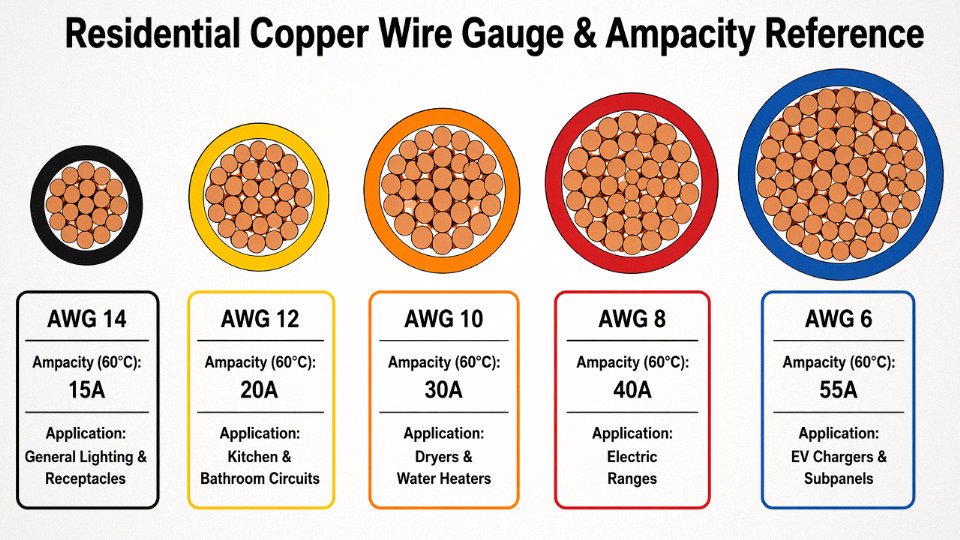
General-purpose branch circuits at 15 A handle most lighting and standard receptacle loads. A 15 A circuit runs AWG 14 copper. Kitchen small-appliance branch circuits — the countertop receptacles, minimum two required by code — must be 20 A, which means AWG 12. Those two circuits cannot serve the refrigerator or any other dedicated load; they exist solely for portable appliances.
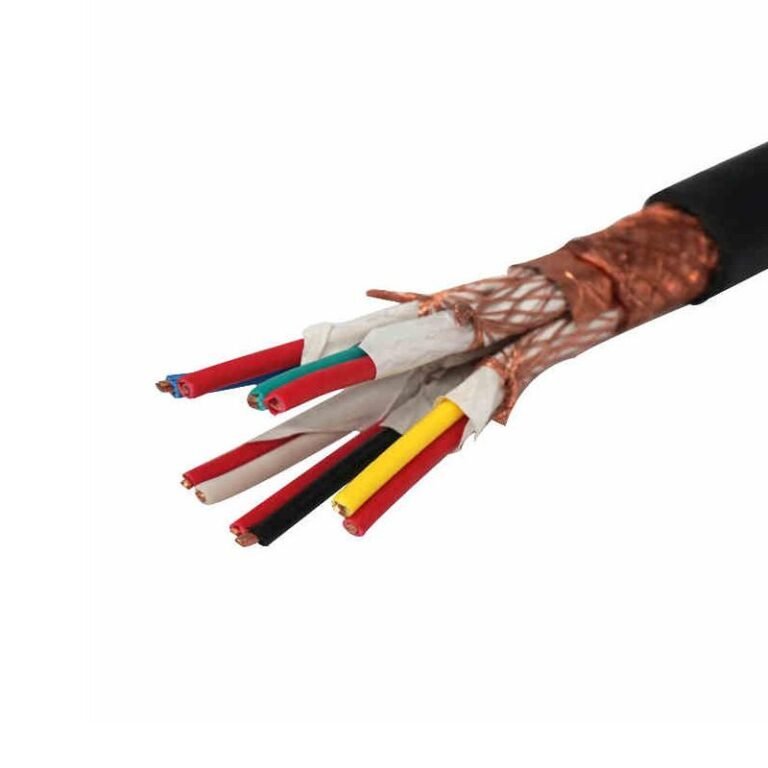
Individual appliance circuits get larger fast. An electric range typically pulls 40–50 A and wants AWG 8 (40 A) or AWG 6 (roughly 55 A), wired as a 240 V branch. A residential EV charger at 48 A continuous load requires the circuit to be sized at 125% of continuous current — so you’re looking at a 60 A circuit minimum, AWG 6 at least, sometimes AWG 4 depending on run length and ambient temperature. Dryers usually sit at 30 A, AWG 10. Low-voltage wiring (doorbells, thermostats, Class 2 circuits) falls under Article 725 of the NEC and carries its own rules — don’t assume you can run it any way you like just because the voltage is low.
| AWG Gauge | Ampacity (copper, 60°C) | Typical Residential Application |
|---|---|---|
| 14 | 15 A | General lighting, standard receptacles |
| 12 | 20 A | Kitchen small-appliance, bathroom circuits |
| 10 | 30 A | Dryers, water heaters, small AC units |
| 8 | 40 A | Electric ranges, large AC units |
| 6 | 55 A | EV chargers, subpanel feeders |
Cable Type Designations — and Why They’re Not Interchangeable
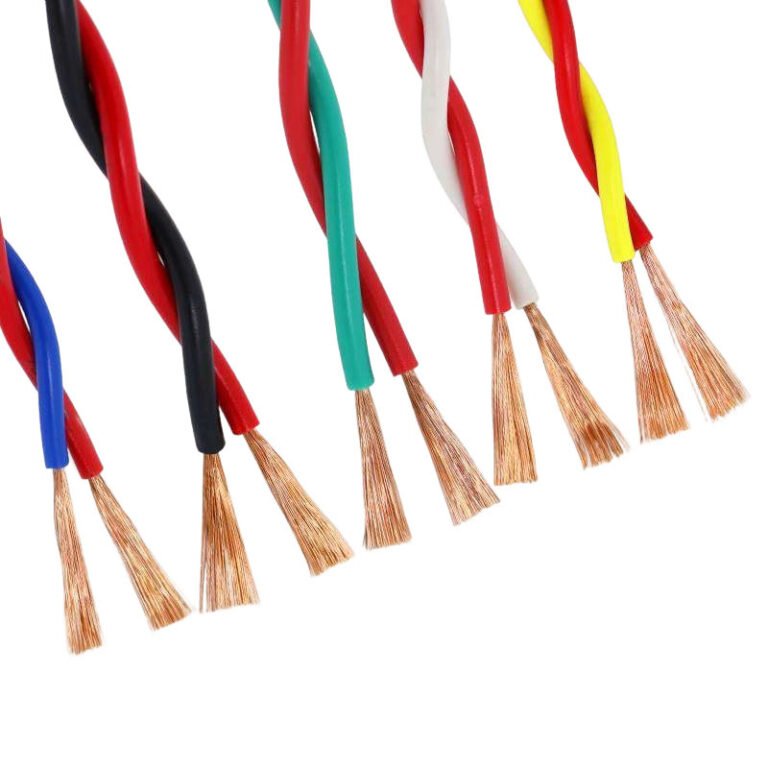
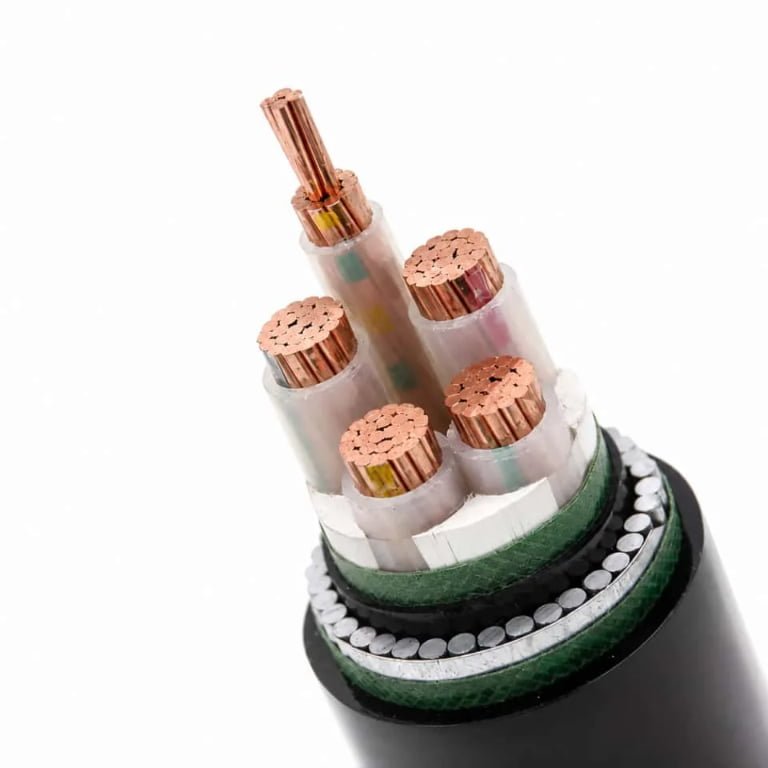
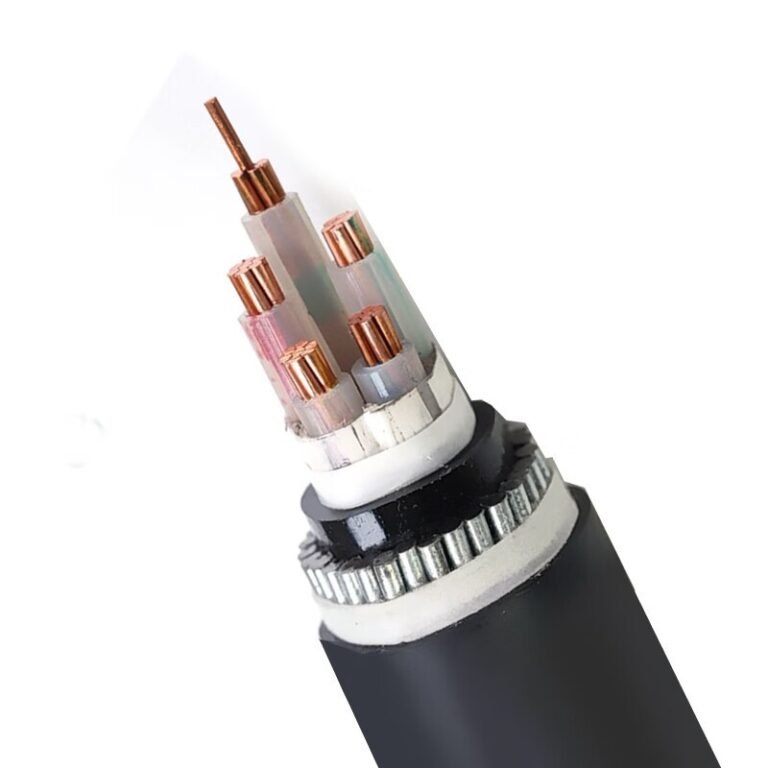
NM-B (what most people call Romex, though that’s a Southwire brand name) is the standard for dry, indoor, concealed residential wiring. It is not rated for damp locations, direct burial, or exposed runs where physical damage is likely. Use NMC in damp but not wet locations — a crawl space with occasional moisture, for example. For anything going in the ground or running outdoors, you need UF-B, which has a solid-core jacket that resists moisture and sunlight. Metal-clad cable (Type MC) shows up in exposed basement runs, attached garages, or anywhere a homeowner wants protection against impact — it’s more forgiving of rough handling and increasingly common in upscale residential builds.
Using NM-B cable in a direct-burial outdoor run is code-compliant if buried deep enoughFalse
NM-B is rated for dry indoor use only. Underground and outdoor direct-burial applications require UF-B cable regardless of burial depth. Using NM-B underground will cause insulation degradation, create a shock hazard, and fail inspection.
Conductor Material: Copper vs. Aluminum
Copper is the residential default for branch circuits, and there’s a practical reason beyond tradition — it’s more forgiving of slightly loose terminations, less prone to oxidation at connection points, and doesn’t require anti-oxidant compound at every splice. Aluminum is code-compliant and widely used for service entrance conductors and large feeder runs (think the 200 A feed from your meter to your panel). The code requires aluminum conductors to terminate only on lugs or devices rated AL-CU or AL, because aluminum expands and contracts differently from copper under load cycling, and a standard copper-only lug will eventually work loose.
De-rating is real. Aluminum carries less current per gauge than copper — AWG 4 aluminum is roughly equivalent to AWG 6 copper in terms of ampacity. If you’re sizing a feeder run in aluminum to save money, that calculation has to be done correctly or you end up with an undersized conductor running hot.
Insulation Ratings: The Part Most DIYers Skip
Every cable has a voltage rating (300 V for NM-B, 600 V for most MC and UF-B types) and a temperature rating stamped on the jacket. The common ratings are 60°C, 75°C, and 90°C. This matters because the NEC ampacity tables are tied to temperature rating — a 90°C-rated conductor can carry more current than the same gauge rated at 60°C, but only if the termination points are also rated for 75°C or 90°C, which most residential devices are not. In practice, you often have to use the 60°C ampacity column regardless of the wire’s temperature rating, because the weakest link is the terminal.
Buying the cheapest cable you can find online to save thirty dollars on a spool is a genuinely bad trade. Non-rated or improperly rated insulation doesn’t just fail an inspection — it can degrade under sustained load, arc inside a wall cavity, and start a fire years after the work is done. The inspector won’t always catch a substitution if the jacket looks right, which means the risk lands entirely on you.
Pulling Your Own Permit: Step-by-Step Process From Application to Final Sign-Off
The permit process intimidates a lot of homeowners more than the actual wiring does. It shouldn’t. It’s paperwork and scheduling, mostly — but skipping it or bungling it creates problems that are genuinely expensive to fix later.
Step 1 — Confirm Eligibility Before You Touch a Single Tool
Call your local building department directly. Don’t rely on a forum post from three years ago or a neighbor’s recollection. Ask three specific questions in this order: Does your jurisdiction offer a homeowner-pull permit for electrical work? Do you need to occupy the dwelling as your primary residence (most jurisdictions require this — a rental property is usually a hard no)? Are there trade-specific exclusions — some municipalities allow homeowners to run branch circuits but prohibit DIY work on the service entrance or sub-panels.
You’ll get different answers depending on whether you’re in an incorporated city, an unincorporated county, or a township. Same state, different rules. In my experience, the person answering the phone at the permit counter is usually pretty straight with you if you ask plain questions.
Step 2 — Prepare the Application Package
Typical requirements at most building departments include a written scope-of-work description (plain language is fine — “adding two 20 A kitchen small-appliance circuits and one dedicated 15 A circuit for a bathroom exhaust fan”), a simple single-line electrical diagram showing how new circuits connect to the panel, load calculations for any new circuits to confirm the panel has remaining capacity, and proof of ownership such as a deed or current property tax statement.
The single-line diagram trips people up most often. It does not need to be architectural-quality. A clear hand-drawn sketch with wire gauges, breaker sizes, and outlet counts labeled is usually sufficient. What the plan reviewer is checking is that you understand what you’re proposing — that the drawing reflects a coherent, code-compliant design rather than a rough guess.
Step 3 — Pay the Fee and Get the Permit Card Posted
Residential electrical permit fees typically run USD 50 to roughly USD 500, depending on scope, circuit count, and jurisdiction. A single-circuit addition might cost USD 75. A whole-house rewire permit in a larger city can push toward that upper end. Pay it, get your permit card or printed approval, and post it where the inspector can see it — usually near the electrical panel or at the job site entry. Some jurisdictions now issue digital permits; confirm whether a phone screenshot is acceptable or whether a physical copy is required.
Step 4 — Rough-In Inspection
Schedule this after all cable is run and stapled, boxes are set, and panel connections are landed — but before you close up any walls or ceilings. The inspector will check box fill calculations (overfilled boxes are one of the most common failures), staple spacing along cable runs (NEC requires support within 12 inches of a box and every 4.5 feet along the run for NM cable), cable protection at penetrations through studs near edges, and how conductors are landed at the panel. Leave yourself a full day of buffer after calling for inspection; scheduling windows vary from next-day to two weeks depending on the department’s workload.
Step 5 — Final Inspection
Once devices, fixtures, and cover plates are installed, call for the final. The inspector is now verifying AFCI protection on bedroom and living-area circuits, GFCI protection in kitchens, bathrooms, garages, and outdoor locations, correct circuit labeling on the panel directory, and that no conductors are exposed anywhere outside an accessible enclosure. A missed AFCI breaker or an unlabeled panel is an easy fail — and you’ll pay a re-inspection fee, which typically runs USD 30–USD 100, just to have someone come back out.
Why Permits Get Denied — and Why Inspections Fail
Using aluminum wiring on 15 A or 20 A branch circuits violates NEC requirements for standard residential branch circuits.True
NEC 310.106(B) restricts aluminum and copper-clad aluminum conductors on branch circuits; they are not permitted for 15 A or 20 A branch circuit wiring under standard residential applications due to expansion/contraction and termination compatibility concerns.
The most common application denials come from incomplete drawings or missing load calculations. Failed rough-in inspections almost always trace back to wrong cable type for the location (NM-B cable inside a damp crawlspace where UF-B is required, for instance), insufficient box fill, missing bonding jumpers at metal boxes, or improper splices made outside accessible junction boxes — wire nuts stuffed into a wall cavity with no box around them.
What Happens If You Skip the Permit Entirely
This is worth being blunt about. If a fire starts in unpermitted wiring, your homeowner’s insurance carrier has legitimate grounds to deny the claim. That’s not a theoretical risk. When you go to sell the house, any competent buyer’s inspector will flag unpermitted electrical work, and you’ll either need to open walls for a retroactive inspection or negotiate a price reduction that almost certainly exceeds what the permit would have cost. In some jurisdictions — particularly California, New York, and parts of Florida — fines for unpermitted electrical work can exceed USD 5,000, and that’s before any required remediation work. The permit fee is cheap insurance. The inspection is free technical review from someone who has seen a lot of bad wiring. Use both.
Selecting the Right Residential Cable: Technical Specifications That Determine Pass or Fail
Getting the permit is the easy part. Where DIY projects actually fail inspection — or worse, pass inspection and cause a fire three years later — is at the cable itself. Inspectors have seen every trick: undersized conductors wrapped in oversized jacket, aluminum passed off as copper in a wall cavity, insulation rated for dry indoor use buried in a damp crawl space. Choosing cable is not a shopping decision; it’s an engineering decision with three distinct specification axes that all have to be right simultaneously.
Conductor Cross-Section and Material
AWG 12 copper for a 20 A circuit, AWG 14 for a 15 A general-lighting branch — those NEC minimums are not suggestions. The gauge determines the ampacity, and ampacity determines whether your wire runs warm or runs hot enough to char insulation over time. Copper is still the standard for residential branch circuits in North America. Aluminum is acceptable for large-feeder runs (service entrance, subpanel feeds, typically 6 AWG and larger) but introduces connection issues at devices and requires aluminum-rated terminations throughout. Use copper for branch circuits and don’t let a supplier talk you into aluminum equivalents to save money on a whole-house pull.
Cross-section accuracy matters more than most DIYers realize. A conductor labeled AWG 12 should measure roughly 2.05 mm in diameter. If it comes up short — even by a few tenths of a millimeter — resistance rises, the wire runs hotter at rated load, and you’ve quietly introduced a fire hazard behind your drywall.
Insulation Type and Temperature Rating
This is where it gets slightly technical but genuinely matters. Standard NM-B cable (Romex and its equivalents) carries 90°C-rated insulation on the individual conductors. That sounds like headroom, but the NEC requires you to derate to the lowest-rated component in the circuit — and most residential receptacles and breaker terminals are rated 75°C. So you plan to 75°C capacity despite the higher-rated insulation. It’s not a contradiction; it’s how the code accounts for heat concentration at connection points.
For a 20 A kitchen circuit specifically: AWG 12 copper conductors, 90°C-rated THHN or equivalent individual insulation, NM-B outer jacket for in-wall dry runs. If that same circuit dips through an unheated crawl space or exits the building envelope at any point, NM-B is not acceptable — you need UF-B (Underground Feeder), which is a solid, sunlight-resistant, moisture-tolerant jacket construction. The two cables look similar in a photo. They behave very differently underground or in a damp subfloor cavity.
Jacket and Sheath Type for the Environment
Flame-retardant and low-smoke zero-halogen (LSZH) cable specifications come into play when you move beyond a single-family detached home. NEC Article 300 and the more stringent plenum requirements under Article 800 apply to multi-family buildings, any space used as an air-handling plenum, and increasingly to dense residential construction where a local amendment mandates higher fire performance. IEC 60332 and IEC 60754 govern similar requirements in UK and Australian contexts. In a standard wood-framed detached house, standard NM-B or its regional equivalent is typically fine. In a condo, a rental duplex, or any build where the local authority having jurisdiction (AHJ) has adopted stricter amendments, you may need LSZH-jacketed cable and should confirm before you buy.
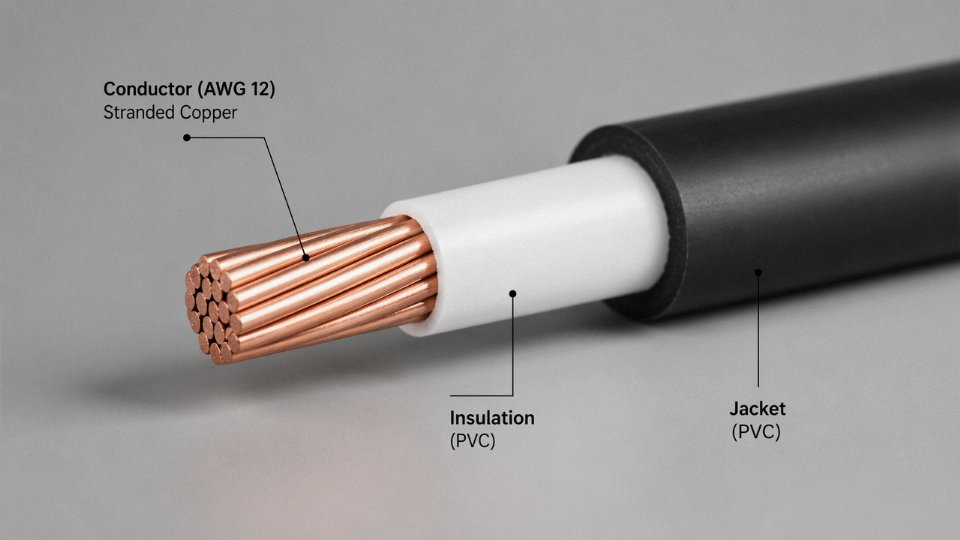
Listing Marks: The Only Proof That Actually Counts at Inspection
A cable without the correct national listing mark will fail inspection. Full stop. UL listing for the U.S., CSA certification for Canada, BASEC or BS 6004 compliance for the UK, AS/NZS 5000 for Australia. These marks mean an independent laboratory has tested that specific cable construction — not just the design, but production samples — against the relevant standard. An inspector is not required to accept your manufacturer’s datasheet as a substitute.
Unlisted residential cable sold online frequently contains undersized conductors and thinner insulation than the labeled specification.True
Electrical Safety Foundation International (ESFI) testing and investigative reports have documented that a meaningful share of unlisted cable available through online marketplaces fails to meet the conductor cross-section and insulation thickness requirements of UL 83 or equivalent standards.
Counterfeit and substandard cable is a real procurement risk, not a hypothetical one. Practical checks: the UL wire mark (or equivalent) should be printed repetitively along the jacket length — not just on the end label. Pull out a caliper and measure the conductor. For AWG 12, you’re looking for roughly 2.0–2.1 mm; anything consistently under 1.9 mm deserves scrutiny. Weight is another proxy — a 250-foot spool of legitimate AWG 12/2 NM-B should weigh in a predictable range; suspiciously light spools often mean thin conductors.
Why Manufacturing Integration Affects What Arrives at Your Job Site
This is where vertical integration has a practical payoff. A manufacturer that processes copper rod in-house, extrudes insulation and jacket on controlled lines, and tests conductor cross-section and insulation thickness at multiple production stages can hold tolerances consistently across a large run. For a contractor or a homeowner wiring an entire house, consistency across 20 or 30 spools matters — you don’t want the first ten spools to pass a caliper check and the last five to be marginal. Jinda’s manufacturing infrastructure, built across five production bases with in-house R&D and testing laboratories, is designed precisely for that kind of bulk-volume consistency. Whether you’re sourcing for a single project or setting up a long-term supply arrangement, traceability from rod to finished cable is what separates specification compliance on paper from specification compliance in the wall.
Safety Practices Non-Negotiable for DIY Electrical Work: Where Most Injuries Happen
Electrical injuries don’t announce themselves. A homeowner who has successfully swapped a dozen outlets gets comfortable, skips one step, and ends up in an emergency room — or doesn’t make it there. Understanding where injuries actually originate is more useful than a generic “be careful” warning.
The Hierarchy of Hazard Matters
Not all electrical risks are equal, and treating them as if they are is how people get hurt.
Arc flash at the service panel is the most dangerous event a DIYer can trigger. An arc flash at residential voltages (120/240 V) releases enough thermal energy to cause third-degree burns in milliseconds and can ignite clothing instantly. Below that on the severity scale sits shock from accidentally contacting an energized conductor — painful, disorienting, and capable of causing falls from ladders or cardiac events depending on the current path through your body. Then thermal events: undersized or damaged cable running inside a wall cavity that gets warm, then hot, then starts a smoldering fire that may not become visible for hours. At the bottom in terms of immediate drama but responsible for a significant share of residential structure fires over time — improper terminations that create high-resistance connections and generate heat at every load cycle.
The Panel Is Not Safe With Just the Main Breaker Off
This is the single most misunderstood safety fact in DIY electrical work, and getting it wrong is what sends people to burn units.
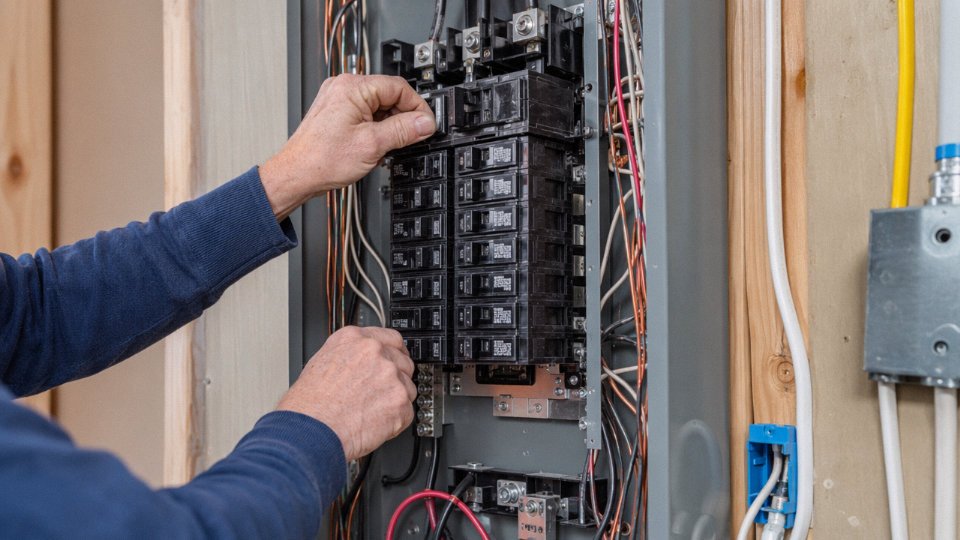
When you trip or switch off the main breaker, you interrupt power to your branch circuits. The lugs above the main breaker — where the utility service conductors land — remain fully energized at all times. The only way those conductors go dead is if the utility pulls the meter or opens the line side upstream. For any work near the service entrance, that means calling your utility company to request a temporary pull of the meter before you open that enclosure. Most utilities will do this for a scheduled appointment; some charge a small fee. Either way, it is not optional.
Tripping the main breaker de-energizes the entire service panel including the service entrance lugs.False
The main breaker only disconnects the load side. The service entrance lugs and conductors above the main breaker remain energized at line voltage regardless of breaker position. Only the utility can de-energize those conductors by pulling the meter or opening upstream service equipment.
PPE Is Not Optional Equipment
For branch circuit work where you have verified the circuit is dead, the minimum gear is: voltage-rated rubber gloves rated at least 1,000 V (Class 00 is sufficient for residential), safety glasses, and non-conductive footwear. None of these are expensive. A decent pair of Class 00 gloves runs roughly $30–$50. A non-contact voltage tester — a Klein or Fluke, something with a reliable track record — costs maybe $20–$40 and should be the last thing you use before touching any conductor, every single time, even if you know you flipped the right breaker. Circuits get mislabeled. Panels get miswired. Trust the tester.
Cable Routing Isn’t Just About Tidiness
NEC requires NM cable to be supported within 12 inches of any box and at intervals not exceeding 4.5 feet along the run. That spacing isn’t arbitrary — unsupported cable sags, shifts, and can abrade against framing over years of thermal cycling. At penetrations through studs and joists, steel nail plates protect the cable from fasteners driven later by a drywall contractor or a homeowner hanging a shelf. The minimum 1.25-inch setback from the stud face is there for exactly that reason. Skip the nail plate and you’ve created a latent fire hazard that no inspector will ever see once the wall is closed.
Terminations: The Leading Cause Nobody Talks About
Both over-tightened and under-tightened screw terminals cause fires. Over-tightened terminals crack the conductor or strip the wire, creating an intermittent high-resistance connection. Under-tightened terminals allow micro-movement, arcing, and carbonization over time. Since NEC 2017, torque specifications are required for receptacle terminals and panel lugs — not a suggestion, a code requirement. A quality torque screwdriver costs $25–$60 and makes it possible to actually hit the manufacturer’s specified values, which are typically printed on the device or in its instruction sheet. Most residential receptacles call for somewhere in the range of 12–14 in-lb on the terminal screws.
Know When to Stop
Service entrance work, any addition of a subpanel that requires upgrading the service rating, work inside the utility meter enclosure, and aluminum wiring rehabilitation all fall outside what most DIYers should attempt — not because the concepts are impossible to learn, but because the margin for error is essentially zero and the consequences of getting it wrong are severe. Aluminum wiring in particular requires specific CO/ALR-rated devices and anti-oxidant compound; the wrong termination will loosen over time as the aluminum expands and contracts more than copper does. If you encounter aluminum branch circuit wiring in an older home, that’s a conversation with a licensed electrician, full stop.
And honestly — if you reach a point mid-project where you’re not confident about what you’re looking at, that’s the signal to stop and call someone. The cost of a partial consult with a licensed electrician is a fraction of the cost of fixing a fire or, worse, the cost you can’t put a number on at all.
Special Scenarios That Change the Legal and Technical Rules Entirely
Standard residential permit rules assume a straightforward situation: an owner-occupied single-family home, conventional utility power, no water features, no renewable generation. Step outside that box and you’re often operating under an entirely different regulatory framework — one where the usual homeowner exemptions don’t apply, or where the technical requirements are genuinely beyond what most competent DIYers can safely execute.
Swimming Pools and Hot Tubs
NEC Article 680 is probably the most frequently underestimated section in the entire code. It’s not just about GFCI protection, though that’s mandatory on essentially every circuit within reach of the water. The bonding requirements are what catch people off guard — every metal component in and around the pool (ladder, light housing, pump motor, even the reinforcing steel in a concrete pool shell) must be bonded together with a solid copper conductor, typically 8 AWG minimum. The goal is equipotential bonding: eliminating any voltage difference that could drive current through a swimmer’s body. Overhead conductor clearances add another layer. A standard service drop that clears your roofline by code may not meet the 22.5-foot minimum clearance over pool water that Article 680 requires.
In practice, most inspectors treat pool electrical work as a near-automatic referral to a licensed contractor, regardless of what the homeowner-permit rules say for the rest of the house. The liability exposure is simply too high.
EV Charger Installation (Level 2, 240 V)
A Level 2 charger running at 48 A is a continuous load. NEC continuous-load rules require the circuit conductor and breaker to be sized at 125% of that — so 60 A minimum ampacity, which means 6 AWG copper or 4 AWG aluminum for the run, a 60 A two-pole breaker, and a panel with available capacity to absorb it. Many older 100 A residential panels simply don’t have headroom. Several jurisdictions — California and New York among them — have created a separate EV inspection category with its own checklist, so even if you pull the permit yourself, expect an inspector who’s specifically looking at conductor sizing, conduit fill, and charger-to-panel labeling. The permit process here is usually faster than a full rewire, but skipping it creates a real problem: EV charger installations are now a standard disclosure item in home sales, and an unpermitted 60 A circuit is a red flag that can crater a transaction.
Solar PV and Battery Storage
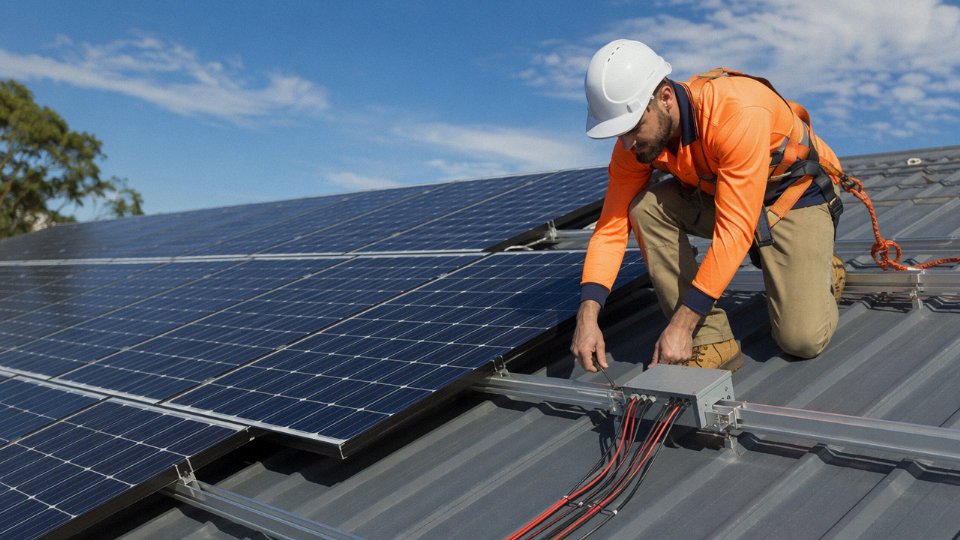
This is the scenario where the homeowner exemption almost universally disappears, regardless of your state’s general DIY-permit rules. NEC Articles 690 and 706 govern PV systems and battery storage respectively, but the harder barrier is utility interconnection. The utility’s interconnection agreement is a separate contract with its own inspection and approval process — and virtually every major utility in North America requires a licensed electrician’s signature on the installation documentation before they’ll authorize grid connection. Going off-grid sidesteps this, but battery storage at residential scale introduces its own Article 706 requirements around short-circuit current ratings and disconnect placement that are genuinely technical.
Homeowners who install solar PV under a general owner-builder permit can legally connect to the utility grid without a licensed electrician.False
Utility interconnection agreements are separate from building department permits and almost universally require licensed electrical contractor documentation regardless of local owner-builder exemptions.
Mobile Homes and Manufactured Housing
Factory-built homes are governed by HUD standards, not the NEC. The distinction matters enormously in practice. If you modify the electrical system in a HUD-labeled manufactured home — even something as routine as adding a circuit — you’re required to maintain compliance with the HUD Manufactured Home Construction and Safety Standards as they existed at the time of manufacture, not the current NEC edition. Field modifications that deviate from the original HUD labeling can void the manufacturer’s structural warranty and, more practically, make the home uninsurable or unsaleable. Some states have specific inspection programs for manufactured housing field modifications; others rely on third-party inspection agencies. Either way, this is not a situation where standard residential permit assumptions apply.
Rental Properties and Commercial-Zoned Residential
Owner-builder permits are typically restricted to owner-occupied, single-family residences. The moment you’re a landlord doing electrical work in a unit you don’t personally occupy, that exemption is usually gone. The legal exposure runs in two directions: the building department can require licensed contractor work regardless of what you submit, and your property insurer can void coverage for fire damage if unpermitted DIY wiring is found to be a contributing cause. In a mixed-use building — ground-floor commercial, residential above — the commercial classification typically triggers licensed contractor requirements for the entire structure.
Historic Buildings and Heritage-Listed Properties
Older homes with knob-and-tube or aluminum branch-circuit wiring present a technical challenge that goes well beyond permit legality. Knob-and-tube rehabilitation requires maintaining the system’s designed free-air cooling — insulating over K&T conductors in wall cavities is a known fire risk, and many insurers now exclude coverage if K&T is present and not fully replaced. Aluminum wiring from the 1960s and early 1970s requires compatible devices (CO/ALR rated) at every termination point; mixing aluminum conductors with standard brass terminals is a documented cause of connection failures and fires. Heritage building authorities may impose additional approval layers on top of the normal permit process — in some jurisdictions, an exterior electrical service upgrade on a listed property requires a separate heritage review before the electrical permit can issue.
Cost–Benefit Analysis: When DIY Wiring Saves Money and When It Costs More
The savings look obvious at first glance. A licensed electrician charges USD 8,000–15,000 to rewire a 2,000 sq ft house; materials alone run USD 2,500–5,000 if you buy them yourself. That’s a gap of several thousand dollars, and it’s real. But the full picture is messier, and a few hidden variables can flip the math entirely.
Building the Actual Cost Model
For a whole-house rewire, your material spend breaks down roughly like this: NM-B cable (12 AWG and 14 AWG in volume), outlet and switch boxes, receptacles, switches, a new panel, and breakers will run USD 2,500–5,000 depending on panel amperage, device quality, and local supplier pricing. Permit fees vary by jurisdiction and project valuation — budget USD 200–500, though some counties charge more if they calculate fees on estimated project value rather than a flat rate. Tools are the overlooked line item. If you don’t already own a cable stapler, fish tape, conduit bender, wire stripper set, non-contact voltage tester, and a decent multimeter, add USD 500–1,500. Some of that you’ll keep; some you won’t use again.
Total realistic DIY cost: USD 3,200–7,000, depending heavily on panel size and whether you need to rent a lift for high ceilings or hire a plumber to temporarily move pipe runs out of your way.
The Time Cost Most People Undercount
Here’s where the savings shrink. A competent first-time DIYer — someone who has read the NEC, pulled the permit correctly, and isn’t guessing — should honestly budget 200–350 hours for a full rewire. That’s not a scare number; it reflects real learning curve, inspection prep, and the inevitable afternoon you spend fixing a box that’s too shallow for the device count.
At a conservative opportunity cost of USD 30/hour — lower than most skilled tradespeople’s take-home rate — that’s USD 6,000–10,500 in time value. Suddenly the contractor’s quote looks closer to break-even, especially at the high end of hours. If your time is worth USD 50/hour in your professional life, the DIY “savings” on a full rewire can effectively disappear.
That math changes completely for a smaller scope. Adding one or two circuits in an unfinished basement or detached garage — accessible framing, short runs, straightforward inspection — might take 15–30 hours and USD 300–600 in materials. That’s the scenario where DIY makes undeniable financial and practical sense.
Hidden Costs That Don’t Show Up in the Estimate
Failed inspections cost money in two ways: rescheduling fees (minor) and rework (not minor). If an inspector finds improperly supported cable, wrong box fill, or missing AFCI protection on bedroom circuits, you fix it before reinspection. If walls are already closed, that means opening drywall. Depending on finish quality, drywall repair and repainting can easily add USD 500–2,000 to a project that was supposed to save money.
The worst-case scenario — an undetected fault that causes a fire or water damage from an arcing connection — is financially catastrophic and difficult to discuss calmly, but it belongs in any honest cost model.
Some homeowner's insurance policies will deny fire damage claims if unlicensed electrical work is found to be the cause, regardless of whether a permit was pulled.True
Many insurance policies contain clauses requiring work to be performed by licensed contractors or to meet code; an AHJ-passed permit inspection helps but does not automatically satisfy every insurer's requirements. Policyholders should verify in writing before starting work.
Call your insurer before buying a single spool of wire. Some carriers accept a passed permit inspection from the Authority Having Jurisdiction as sufficient. Others require a licensed electrician’s certificate of compliance. Get it in writing; a verbal reassurance from a call-center rep is worth nothing at claim time.
Cable Specification as a Long-Term Cost Decision
One false economy that shows up repeatedly: buying code-minimum cable that passes today’s inspection but leaves no headroom for future loads. A 100 A panel and minimum-gauge feeders might satisfy current NEC requirements, but if you’re planning an EV charger, a heat pump, or both within the next five to ten years, undersized feeders mean re-pulling wire through finished walls later — easily USD 1,500–3,000 in additional work. Upsizing the feeder conductor during the original rough-in costs relatively little in material and nothing in labor if you’re already doing the work yourself. That’s the kind of decision where genuine cable knowledge — understanding conductor ampacity, voltage drop over long runs, and temperature rating of the insulation — pays for itself many times over.
Frequently Asked Questions About Legally Wiring Your Own Home
Can I wire my own house without an electrician?
In many U.S. states — roughly 40–70% depending on how you count jurisdictions that allow homeowner-pulled permits — yes, you can do your own residential wiring legally, provided you apply for a permit before touching anything and schedule the required inspections. The UK permits homeowner electrical work in most areas of the house under Part P of the Building Regulations, but kitchens, bathrooms, and outdoor circuits are notifiable work regardless of who does it, meaning a registered electrician or building control sign-off is mandatory there.
Australia is a harder stop. Every state except the ACT prohibits unlicensed electrical work, full stop. There’s no permit workaround, no homeowner exemption, no grandfathering. If you’re in Sydney or Melbourne and you wire a single outlet yourself, you’ve broken the law before the first staple hits the stud.
What happens if I wire my house without a permit?
A few things, none of them cheap. The work is legally unpermitted, which means it exists in a grey zone your insurer will almost certainly exploit if a fire starts in that wall. Beyond insurance, the practical problem hits at resale — a home inspector or buyer’s solicitor will flag unpermitted electrical work, and you’ll likely need to open finished walls so an inspector can verify what’s actually in there. That alone can run USD 1,500–USD 4,000 in drywall repair, depending on scope.
Fines vary by municipality but USD 2,000–USD 5,000 is realistic for a first offense in a strict jurisdiction, and some authorities will order the work removed entirely.
Unpermitted home electrical work can cause insurers to deny fire-related claims even if the wiring itself was not the direct cause of the fireTrue
Most homeowner insurance policies include clauses that void coverage for losses arising from unpermitted alterations. An insurer's investigator checking the origin of a fire will pull permit history as a standard step.
Is DIY electrical work covered by homeowner’s insurance?
Only under specific conditions: the work was permitted, it passed final inspection, and your individual policy doesn’t require a licensed-electrician certificate for electrical alterations. That last point catches people off guard. Some insurers, particularly in higher-risk markets, quietly require licensed contractor sign-off as a policy condition. Confirm your coverage in writing — not a phone call, a written response — before you pull the first wire.
What is the most common mistake DIYers make?
Using the wrong cable type for the environment. NM-B (standard Romex-style cable) is not rated for damp locations. Run it through a crawl space with seasonal moisture and you’ve created a slow-burn failure: the insulation degrades, the ground continuity weakens, and you won’t know until the breaker trips — or doesn’t. UF-B is the correct choice for wet or underground runs. After that, the second most common failure is overloading junction boxes: too many conductors, too many wire nuts, box fill calculations ignored entirely.
AFCI and GFCI requirements also trip people up. NEC 2023 expanded AFCI protection to virtually all 15 A and 20 A branch circuits in dwelling units. Miss that, and you fail inspection.
How do I know if the cable I bought meets code?
Read the jacket. A compliant cable will have its UL listing mark, AWG size, cable type, and conductor count printed continuously along the outer sheath — something like 12/2 NM-B WITH GROUND repeating every foot or so. If that text is absent, smudged, or inconsistent, don’t use it. For a secondary check, a digital caliper on a stripped conductor should read approximately 2.05 mm for AWG 12 copper. AWG 14 measures roughly 1.63 mm. If your numbers are running noticeably smaller, the conductor cross-section is undersized and the cable shouldn’t be trusted for the rated ampacity.
Can I add a circuit to my existing panel myself?
In jurisdictions that allow homeowner permits, yes — but verify three things first: available breaker slots (some older panels are full and adding a tandem breaker isn’t always listed for that enclosure), main breaker ampacity relative to your existing load, and that the new breaker is a manufacturer-listed replacement for your specific panel. A Siemens breaker in a Square D QO panel is not a listed combination regardless of whether it physically fits. Inspectors know this. They will fail it.
Where can I source large volumes of residential cable that meets both NEC and IEC standards?
Manufacturers operating integrated production facilities with multi-standard certification capability — Jinda, for example, produces cable certified to both NEC-aligned UL standards and IEC specifications across five production bases and ships to more than 50 countries — can provide the technical documentation inspectors and project engineers actually require: test reports, conductor cross-section verification, insulation material data sheets. For a large single-family project this may seem like overkill, but for a multi-unit residential developer or a procurement manager sourcing for a repeat build program, having that paperwork in hand before the inspector arrives is the difference between a smooth sign-off and a costly delay.