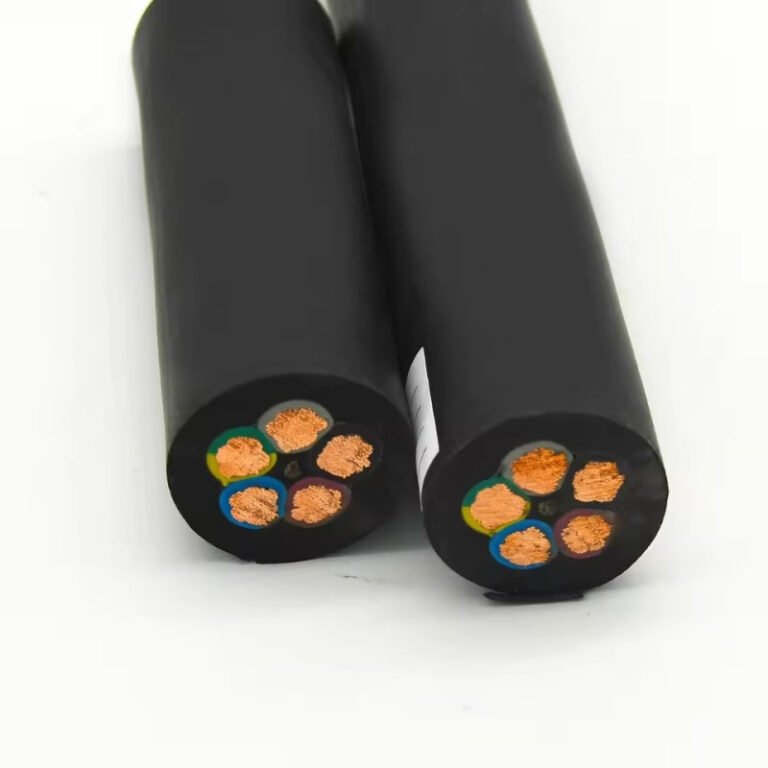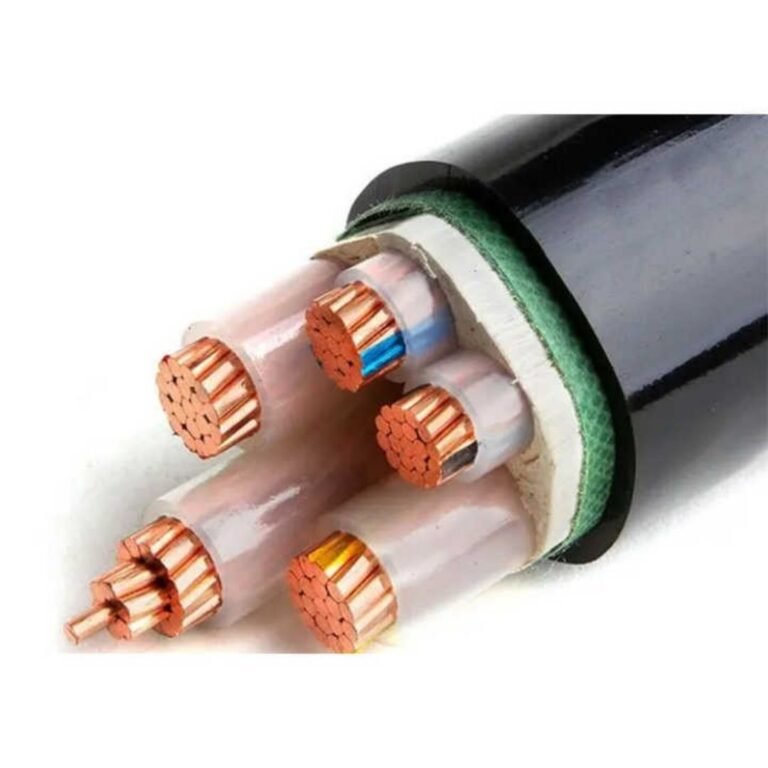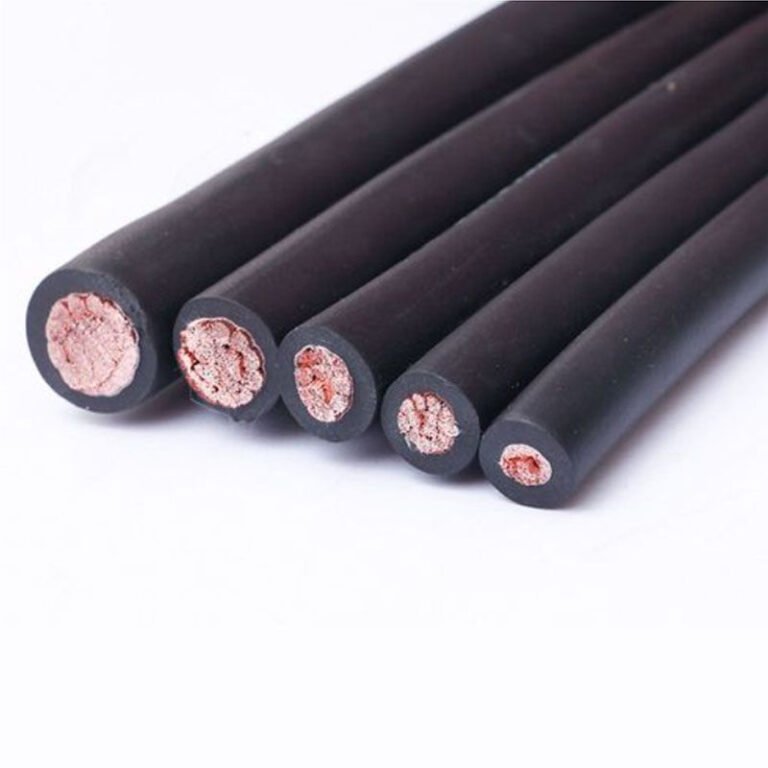
A shock that feels like a sharp bite at the hand can turn into an uncontrolled grip, a fall from a platform, or a cardiac emergency before anyone has found the isolator. On a plant floor, that means stopped equipment, incident investigation, damaged tooling, lost batches, and insurance paperwork. The practical direction is simple: understand the current path through the body, then design cable, grounding, protection, and work methods around the organs that fail fastest.
The skin is usually the first organ contacted and injured by electric shock, but the nervous system reacts almost immediately, and the heart is the first life-critical organ of concern when current passes through the chest. With 50 Hz to 60 Hz AC, relatively small currents can prevent release or trigger dangerous heart rhythm disturbance.
That distinction matters because “first affected” is not the same as “most dangerous.” A fingertip burn, a locked forearm, and ventricular fibrillation are different failure modes in the same electrical event, driven by voltage, skin condition, contact area, current path, frequency, and exposure time.

Current path and contact conditions
A person is shocked when body tissue becomes part of an electrical circuit between two points at different electrical potential. The organ affected first is not decided by voltage alone; it is decided by where current enters, where it leaves, how much current flows, and how long the circuit stays closed. The same supply can produce a painful fingertip event, a chest-crossing cardiac hazard, or a leg-dominant injury depending on the contact geometry.
In plant terms, the body has become an unwanted conductor. One hand touches a damaged cable, a live terminal, a wet motor frame, or a metal tool that has gone live; another part of the body is connected to ground, another phase, neutral, or a conductive structure. The current then divides through available tissue paths according to impedance. It does not travel as one tidy pencil line drawn from “entry” to “exit.” Skin condition, contact pressure, footwear, sweat, and the return path all change the distribution.
Common paths matter because they put different organs in the current field:
| Current path | Typical situation | Main concern |
|---|---|---|
| Hand to hand | Working across a panel, holding two conductive parts, using both hands around energized equipment | Chest path can involve the heart and respiratory muscles |
| Hand to foot | One hand contacts live metal while feet are grounded through floor, ladder, wet soil, or machine frame | Current can pass through the torso; cardiac and breathing risk increase |
| Foot to foot | Step potential near ground faults, damaged trailing cables, lightning-related ground gradients | Severe leg current, burns, muscle contraction, falls; chest involvement may be lower but not guaranteed |
| Head to hand | Overhead contact, cramped work inside equipment, head touching a live enclosure while hand is grounded | Brain, neck, respiratory control, and chest may be involved depending on return path |
| Head to foot | Contact with overhead conductor while standing on ground or conductive platform | High-risk full-body path through head, torso, and legs |
| Localized finger contact | Touching a small exposed conductor with no strong return path, or brief contact through a fingertip | Local burn or startle response may dominate, but it can become serious if another body point completes the circuit |
Hand-to-hand and hand-to-foot paths are treated with special caution because the heart sits in the likely current field. For 50 Hz to 60 Hz AC, many adults have a let-go threshold in the rough range of 6 mA to 16 mA, depending on body size, grip, contact area, and skin condition. Above that, forearm and hand muscles may lock onto the conductor rather than release it. If the path crosses the chest and the exposure lasts more than a fraction of a second, ventricular fibrillation risk rises sharply, especially when current is in the broad range of roughly 50 mA to 100 mA or higher. Those numbers are not machine settings; they are injury-risk references, and the actual current depends on circuit voltage and total body-circuit impedance.
Foot-to-foot current is a different animal. Around a ground fault, a person may have one boot closer to the fault point than the other, so the legs bridge a voltage difference. This “step potential” can drive current up one leg and down the other. In practice, that may cause violent leg contraction, deep burns at the feet, or a fall into worse contact. It may be less likely than hand-to-hand current to cross the heart, but that advantage disappears if the person falls, touches a grounded rail, kneels, or has wet clothing creating another conductive route.
Contact conditions often decide whether a shock is a warning jolt or a fatal event:
- Contact area: A broad palm on a metal enclosure usually lowers contact resistance compared with a dry fingertip touch. More area gives current more parallel paths into the body.
- Pressure: A firm grip compresses skin, improves electrical contact, and may make let-go harder once muscles contract.
- Wet skin and sweat: Dry skin resistance may range from about 1,000 to 100,000 ohms, but wet, sweaty, abraded, or broken skin can reduce resistance dramatically. Summer maintenance work in a hot compressor room is not the same as a dry bench test.
- Conductive dust and contamination: Carbon dust, metal fines, fertilizer residue, brine, process liquids, and cement slurry can defeat assumptions made from clean dry conditions.
- Metal tools: A wrench, probe, or uninsulated screwdriver can enlarge the contact area and bypass some of the protective value of dry skin.
- Gloves and footwear: Rated insulating PPE can interrupt the circuit when selected, inspected, and used correctly. Ordinary work gloves, damp leather boots, or soles packed with metal chips should not be treated as electrical protection.
- Standing surface: Dry wood, clean rubber matting, wet concrete, steel grating, soil, and puddled washdown areas present very different return paths.
A small visible burn mark proves that only a small electric current passed through the body.False
External marks can be misleading. Dangerous current may pass with limited surface burning, especially at lower voltages, wet contact, broad contact area, or short exposure. Internal current path and duration matter more than the size of the visible mark.
There is a practical trade-off in safety design here. High-resistance gloves, insulated tools, dry platforms, protective devices, and isolation procedures all reduce the chance that the body completes the circuit. They can also reduce dexterity, slow troubleshooting, and create heat or comfort issues, so workers sometimes bypass them during “just a quick check” tasks. That is where many plants get caught: the task feels low-energy because it is routine, but the contact path has changed.
A simple training diagram is worth using in toolbox talks and electrical safety procedures. Show the route without making it look too clean: include several possible current branches through the body rather than a single arrow.
Recommended labels for the diagram:
- Power source
- Damaged insulation
- Hand contact
- Chest path
- Foot contact
- Ground
- Protective device
This contact-path reasoning applies best to power-frequency shock and conductive contact hazards commonly seen around cables, panels, motors, portable tools, and temporary power. It is less complete for arc flash, lightning, high-frequency burns, defibrillator pulses, or static discharge, where energy transfer, surface flashover, waveform, and thermal injury can dominate the medical picture. For actual incident response, the visible entry point is only a clue; the credible current path and exposure time deserve equal attention.
Nervous system response
The nervous system is often the first part of the body the victim notices during an electric shock, even though the skin is the first tissue contacted. Nerves work by small electrical impulses, so an external current can disrupt signaling almost immediately, producing tingling, pain, startle, muscle contraction, or loss of control before any visible burn appears.
Nerve cells communicate by changes in voltage across their membranes. That is normal biology: controlled ion movement, signal propagation, and muscle activation. When fault current enters through a hand, wrist, forearm, or another contact point, it does not politely wait for tissue damage to develop. It can stimulate sensory nerves, motor nerves, and muscle fibers within a fraction of a second.
That is why many shock reports from maintenance work start with “I felt a bite,” “my hand locked,” or “I jumped back,” not “I saw a burn.” On a dry day, with intact skin, the current may be limited by relatively high skin resistance. With sweaty gloves, broken skin, a damp shirt cuff, or contact pressure against a sharp conductor strand, the same nominal voltage can drive a much stronger response.
The absence of a visible burn does not prove that an electric shock was harmless.True
Nerve stimulation, muscle contraction, cardiac effects, and internal injury can occur with little or no obvious skin damage, especially when contact time is brief or the entry and exit marks are small.
Early nerve and muscle symptoms
The first symptoms are often neurological or neuromuscular rather than thermal. They may be mild, violent, or confusingly brief.
Common early effects include:
- Tingling or buzzing sensation
Usually a sensory nerve effect. Operators often describe it as a vibration, sting, or “ants under the skin.” It may stop as soon as contact breaks, which can make people underestimate the event. - Sharp pain or burning pain
Pain may come from nerve stimulation, local heating, or both. A small entry mark on a fingertip can hurt badly, while a more dangerous chest-path shock may leave the victim unable to describe much at all. Startle response
The body reacts before the brain has time to make a decision. Around open panels, ladders, rotating machinery, or elevated platforms, the secondary injury from jumping, falling, or striking equipment may be as serious as the electrical injury.Numbness or reduced sensation
Numbness after shock deserves respect. It can mean temporary nerve disruption, but it can also point to peripheral nerve injury, tissue swelling, or deeper trauma.Involuntary muscle contraction
This is the one that worries me most in plant situations because it can keep the person in the circuit. A hand on a damaged cable, a live tool, or a cabinet handle may clamp instead of release.Loss of coordination
The victim may drop tools, stumble, lose grip strength, or fail to move normally. That matters near busbars, energized test leads, wet floors, and mezzanine edges.
Why 50 Hz to 60 Hz AC can make a person unable to let go
For industrial power systems, 50 Hz to 60 Hz AC has a particularly nasty interaction with muscles. At these frequencies, the current repeatedly stimulates nerves and muscle fibers fast enough to produce sustained contraction. If the energized object is held in the hand, the forearm flexor muscles may overpower the extensor muscles, curling the fingers tighter around the conductor, tool, or cable.
Typical let-go current for many adults on 50 Hz to 60 Hz AC is often quoted in the rough range of 6 mA to 16 mA, but that number is not a safe design boundary. It depends on body size, skin condition, contact area, grip force, moisture, current path, and whether the person is holding the conductor or merely brushing it. A sweaty mechanic gripping a metal drill body in a damp utility room is not the same case as a fingertip touch on a dry insulated bench.
The practical hazard is not just “how much current hurts,” but whether the current prevents the victim from breaking contact. Once a person is trapped, exposure time increases, and the risk shifts from a painful incident toward burns, respiratory compromise, and heart involvement if the path crosses the chest.
Sensory effects are not the same as motor effects
It helps to separate what the victim feels from what the body does.
Sensory nerve effects include:
- Tingling
- Pain
- Heat sensation
- Numbness
- Abnormal sensitivity after the event
Motor nerve and muscle effects include:
- Hand clamping
- Arm jerking
- Inability to release
- Leg collapse
- Loss of balance
- Breathing difficulty if chest muscles are affected
That distinction matters during incident review. A worker who says “it only tingled” may still have had a current path capable of causing muscle contraction or cardiac exposure under slightly different contact conditions. On the other hand, a dramatic startle does not always mean a high current passed through the chest. The correct response is not guesswork; it is de-energize, secure the area, document contact points, and get medical assessment when the exposure is more than a trivial static discharge.
Symptoms after the shock
Neurological effects do not always end when the hand leaves the conductor. Some symptoms show up minutes or hours later, and occasionally later than that. The mechanism can include direct nerve irritation, thermal injury, vascular effects, muscle breakdown, fall trauma, or oxygen shortage if the person lost consciousness.
Post-shock symptoms that should not be waved off include:
- Weakness in a hand, arm, leg, or one side of the body
- Confusion, disorientation, or unusual behavior
- Memory gaps around the incident
- Headache, dizziness, or visual disturbance
- Persistent numbness, tingling, or burning pain
- Loss of grip strength or poor finger control
- Muscle pain, cramping, or dark urine after a significant shock
- Loss of consciousness, even briefly
- Chest pain, palpitations, or shortness of breath
Absence of pain is not proof of safety. A high-energy arc event may stun the person, an unconscious victim cannot report symptoms reliably, and nerve injury can reduce sensation rather than increase it. Short contact can also produce little pain while still creating a dangerous current path, especially if the person was wet, grounded, or touching metal structure.
The nervous-system-first explanation holds best for low-to-moderate contact shocks where the victim remains conscious and can describe what happened. It stops being reliable in severe events, arc blasts, falls, burns, or suspected chest-path exposure; in those cases, symptom reporting is too unreliable to decide risk on the shop floor. Treat the incident as electrical injury first, paperwork second.
Heart, lungs, and burns
After the first skin sensation or nervous-system response, the immediate danger usually shifts to the heart, breathing system, and burn injury. The heart is the organ that most often decides survival when current crosses the chest, while the lungs and respiratory muscles can fail from nerve disruption or sustained muscle contraction. Burns may look minor at the surface and still hide serious internal damage.
Why the heart becomes the critical organ
The heart runs on its own electrical timing system. A shock does not need to “cook” the heart to kill; it only has to interfere with the rhythm at the wrong current level, path, and moment in the heartbeat cycle. Hand-to-hand, hand-to-foot, or arm-to-torso contact is more concerning than a current path confined to one finger because part of the current may pass through the chest.
For 50 Hz to 60 Hz AC, the frequency used in many power systems, the risk is especially serious because it can repeatedly stimulate nerves and muscle fibers. The same current that causes a locked grip can also disturb the heart’s coordinated contraction. Typical let-go current for many adults is often discussed around roughly 6 mA to 16 mA, depending on body size, contact area, moisture, grip force, and contact geometry. That is not a safe/danger line. It is just the range where a person may lose the ability to release the conductor voluntarily.
The most feared rhythm problem is ventricular fibrillation. In plain terms, the lower chambers of the heart stop pumping as a coordinated muscle and start quivering. Blood flow collapses, the person may lose consciousness quickly, and without defibrillation the condition is usually fatal. Cardiac arrest can also occur from asystole, where the heart’s electrical activity effectively stops, or from other severe arrhythmias that do not move enough blood.
A shock can be fatal without dramatic burns if enough current crosses the heart for long enough. Ventricular fibrillation risk rises when current passes through the chest, especially with currents above roughly 50 mA to 100 mA and exposure lasting more than a fraction of a second. Those numbers should not be treated as a design allowance for people. Actual risk shifts with skin condition, contact pressure, footwear, grounding, health status, and the exact timing of the shock within the cardiac cycle.
Low-voltage AC across the chest can be fatal even when there are no major external burns.True
The main mechanism can be disruption of heart rhythm rather than thermal tissue destruction. Burn severity depends on energy, contact area, time, and heat generation, while ventricular fibrillation can occur at currents that may leave limited visible skin injury.
Respiratory arrest and muscle lock-up
Breathing can stop even when the heart is not the first system to fail. The respiratory pathway is a chain: brainstem command, spinal cord, phrenic nerve, diaphragm, intercostal muscles, and open airway. Current can interrupt that chain at several points.
Common mechanisms include:
- Brainstem or central nervous system disruption: Severe shock, especially involving the head or neck, can interfere with the control centers that drive breathing.
- Phrenic nerve interference: The phrenic nerves control the diaphragm. If their signal is disrupted, the diaphragm may not contract properly.
- Diaphragm or chest muscle tetany: Alternating current can cause sustained contraction. A person may be conscious but unable to breathe effectively because the chest wall is locked.
- Airway compromise after collapse: Loss of consciousness, vomiting, facial injury, or an awkward fall position can turn an electrical incident into a breathing emergency.
- Post-shock respiratory depression: Even after contact is broken, breathing may remain weak or irregular because the nervous system has been injured.
This is why plant emergency response cannot rely on “he’s off the wire now, so he’s fine.” If a worker is down after electrical contact, the useful sequence is power isolation first, then emergency medical response, then CPR/AED use by trained personnel if needed. I have seen crews focus on the burned glove or damaged cord while missing the bigger issue: the person is not ventilating well.
Skin burns: entry, exit, contact, arc, and flash
Skin is often the most visible injury, but it is not a reliable severity gauge. Dry skin may have resistance from about 1,000 to 100,000 ohms, while wet, sweaty, contaminated, or broken skin can reduce resistance sharply. Lower resistance allows more current for the same voltage, and concentrated contact points generate heat.
Electrical skin injuries generally fall into several categories:
- Entry wounds: Usually found where current entered the body. They may be small, pale, charred, crater-like, or deceptively modest.
- Exit wounds: Often located at the foot, hand, elbow, or another grounded point. They may be larger because current leaves through a smaller effective contact area or arcs to ground.
- Contact burns: Caused by hot conductors, energized tools, terminal lugs, busbars, cable cores, or metal enclosures. A ring, watch, or wet glove cuff can concentrate heat badly.
- Arc burns: Caused by current jumping through air. These can create intense local heat without the person being clamped to the conductor.
- Flash burns: Surface burns from the thermal radiation of an arc flash. Exposed face, neck, hands, and forearms are common injury sites if PPE is wrong or absent.
The trade-off in evaluating burns is speed versus certainty. A quick visual check is necessary on the floor, but it can under-call deep injury. Proper medical assessment takes time and may involve monitoring, imaging, blood tests, or wound exploration depending on severity. The practical boundary is simple: visible minor marks do not prove the incident was minor, especially after chest-path current, loss of consciousness, high voltage, arc exposure, or a fall.
Internal burns and deep tissue damage
High-voltage contact, high current, longer contact time, and arc flash exposure increase the chance of deep tissue injury. Muscles, nerves, blood vessels, and connective tissue can be damaged below skin that looks less severe than expected. Current density matters: when current is forced through a small cross-section, heat rises locally. Contact pressure can make this worse by lowering resistance at the contact point and holding the person in place.
Deep muscle injury may release proteins into the bloodstream and stress the kidneys. Swelling inside muscle compartments can restrict blood flow and become a limb-threatening emergency. Blood vessels may clot or weaken. Nerves may fail immediately or deteriorate later as swelling and tissue damage progress.
High-voltage industrial incidents are different from typical household or light workplace low-voltage shocks in one big way: energy availability. A 480 V panel, a medium-voltage switchgear lineup, a crane conductor bar, or a damaged mining cable can deliver far more fault energy than a small appliance circuit, depending on the source and protective device clearing time. Arc flash adds radiant heat, molten metal, pressure wave, and sound energy. That said, low voltage should not be casually dismissed. Wet hands on a damaged cord, a sweaty worker kneeling on concrete, or hand-to-hand contact inside a control cabinet can create a dangerous chest path at voltages people see every day.
Secondary injuries after the shock
The electrical event is often only the first hit. The second injury may be what causes the fracture, head trauma, or permanent eye damage.
Typical secondary injuries include:
- Falls from ladders, lifts, roofs, tanks, or platforms: A brief shock can make a worker jump, lock up, or black out. Even a 1 m fall onto a machine base can be ugly.
- Impact trauma: Head strikes, shoulder dislocations, broken wrists, rib injuries, and spinal injury can follow a collapse.
- Tool drops and dropped parts: A grinder, torque wrench, or cable cutter can injure the shocked worker or someone below.
- Eye injury from arc flash: Ultraviolet exposure, thermal injury, and flying metal can damage the cornea and retina. Safety glasses alone may not be enough for arc-rated work.
- Hearing injury from blast pressure: Arc events can produce a pressure wave and sharp impulse noise capable of damaging hearing.
- Fire ignition: Clothing, cable insulation, dust, solvents, hydraulic oil mist, packaging, and nearby plastic parts can ignite, especially where maintenance housekeeping is poor.
The difference between low-voltage and high-voltage incidents is not “safe versus dangerous”; it is the dominant failure mode. Low-voltage AC across the body often raises the rhythm-and-let-go problem first. High-voltage and arc events bring much more burn energy, blast, and deep tissue destruction. Both deserve medical evaluation when the path, symptoms, exposure time, or voltage class is uncertain, because the outside of the body may not tell the truth fast enough.
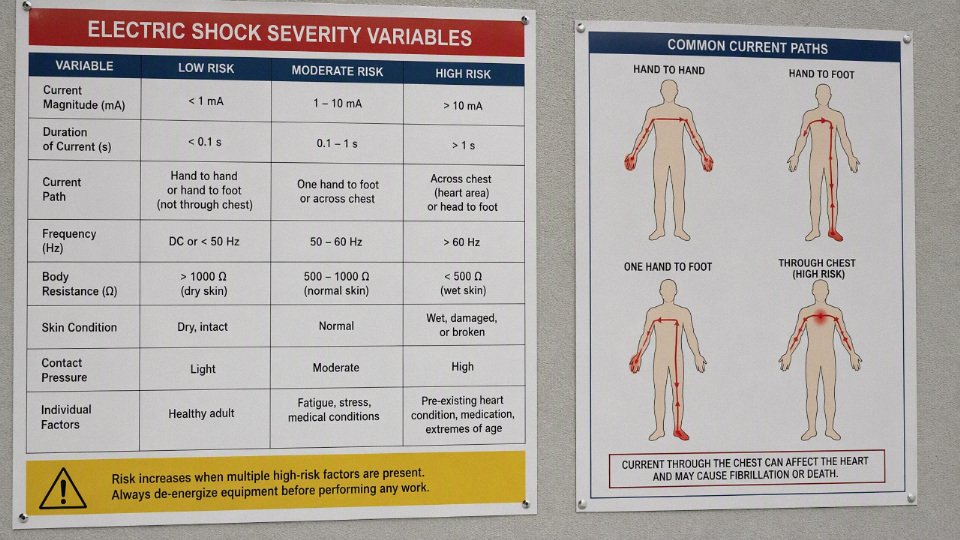
Shock severity variables
Voltage is only the pressure behind the event; severity is governed by how much current actually crosses sensitive tissue, where it travels, and how long it remains there. A 24 V circuit in a wet pit can deserve more respect than a higher-voltage source touched through dry gloves, while any energized conductor becomes more dangerous when contact is firm, skin is wet, and release is difficult.
The clean engineering model is simple enough: Ohm’s law still matters, but the human body is not a fixed resistor. Skin condition, contact geometry, frequency, footwear, sweat, cuts, jewelry, and the return path all change the impedance from one incident to the next. That is why plant shock investigations that stop at “it was only 120 V” or “it was high voltage” usually miss the useful lesson.
Voltage alone determines whether an electric shock is fatal.False
Voltage helps drive current, but injury severity depends on current through the body, current path, contact impedance, exposure time, waveform, frequency, and environmental conditions.
| Variable | Why it changes injury severity | Practical control measures |
|---|---|---|
| Voltage | Higher voltage can push more current through the same body impedance and can break down skin resistance at higher levels. | De-energize before work, verify absence of voltage, use correct voltage-rated tools, barriers, and PPE. |
| Current through the body | Current through nerves, chest, heart, or respiratory muscles is the direct injury mechanism. | Use GFCI/RCD protection, bonding, insulation, guarding, isolation transformers where appropriate. |
| Body resistance and impedance | Dry skin may be far more resistive than wet, cut, sweaty, or compressed skin. | Keep work areas dry, control contact points, remove jewelry, maintain gloves, inspect cords and tool grips. |
| Current path | Hand-to-hand or hand-to-foot paths can cross the chest; local finger contact may remain more localized. | Use one-hand technique where justified by procedure, insulated mats, proper work positioning, lockout. |
| Exposure time | Longer contact increases heating, muscle tetany, and heart rhythm risk. | Fast protective clearing, GFCI/RCD devices, dead-front equipment, emergency release planning. |
| AC, DC, and frequency | Power-frequency AC is strongly associated with let-go difficulty and fibrillation risk; DC behaves differently but is not safe. | Match controls to source type: AC mains, DC bus, battery strings, welders, drives, PV systems. |
| Environment | Moisture, metalwork, confined access, and damaged temporary power reduce the margin for error. | Use site-rated temporary power, cable management, inspections, covers, drainage, and local isolation. |
Voltage drives the event, but current injures tissue
In electrical safety work, I treat voltage as the available driving potential, not as the wound mechanism by itself. Current is what depolarizes nerves and muscles, interferes with cardiac rhythm, and heats tissue. The catch is that current cannot be judged from nameplate voltage unless the contact impedance and current path are known.
For example, typical dry skin resistance may range from about 1,000 to 100,000 ohms, depending on skin condition, contact area, pressure, and measurement method. Wet or broken skin can reduce resistance dramatically. A technician with dry fingertips brushing a panel edge is not in the same condition as a fitter kneeling on a damp steel deck, sweating through gloves, gripping a live tool body with a nicked knuckle.
Contact pressure is underrated. A light touch may cause a startle and immediate withdrawal. A firm grip around a conductive handle lowers contact resistance and mechanically prevents escape, especially if the current causes involuntary muscle contraction. Rings, watchbands, necklaces, and metal zipper pulls are not just snag hazards; they can create small, high-pressure contact points and local heating. Conductive or contaminated gloves can do the same thing, particularly when leather protectors are wet, oily, or carbon-tracked from previous abuse.
The practical rule is not “low voltage is safe”; it is “available voltage plus poor contact conditions can create dangerous current.” That rule holds until the system is truly energy-limited by design and verified for the environment, not merely assumed safe because the nominal voltage looks modest.
Exposure time changes the medical and operational outcome
A brief shock and a sustained shock are different incidents. The first may throw a mechanic backward, causing a fall or tool drop. The second can lock muscles, extend heating, and raise the chance that current overlaps a vulnerable part of the cardiac cycle.
At 50 Hz to 60 Hz AC, a common let-go current range is roughly 6 mA to 16 mA for many adults, depending on body size, contact area, grip, and conditions. That range is not a design limit for “acceptable shock.” It is a warning that currents well below those that visibly burn skin can still prevent self-release. In a cabinet, on a ladder, or inside a cramped skid, let-go difficulty can turn a small mistake into a prolonged exposure.
Ventricular fibrillation risk increases when current passes through the chest, especially with currents above roughly 50 mA to 100 mA and exposure lasting more than a fraction of a second. Exact risk depends on path, timing, health condition, waveform, and protective clearing. In procurement terms, this is why protective device coordination, RCD/GFCI selection, grounding method, enclosure condition, and cable insulation quality belong in the same conversation as voltage rating.
Heating also accumulates with time. The mechanism is I²R heating: current squared multiplied by resistance, sustained over duration. Local burns may occur at entry and exit points where current density is high, or deeper where tissue resistance and path concentrate energy. A flash burn from an arc is a different mechanism again; that needs arc-flash assessment, not just shock assessment.
AC, DC, and frequency are not interchangeable
Power-frequency AC deserves special caution because industrial and building systems commonly operate at 50 Hz or 60 Hz, and that frequency range interacts strongly with nerves and muscles. It is associated with tetanic grip, let-go difficulty, respiratory muscle interference, and cardiac rhythm disturbance. This is why an ordinary mains circuit in a wet maintenance area can be a serious hazard even without spectacular arcing.
DC shock often feels different. It may cause one strong contraction at make or break, and at higher magnitude it can produce deep burns or sustained injury. Battery rooms, DC drives, rectifier cabinets, welding sets, UPS strings, and photovoltaic arrays should not be treated as benign because they are “not AC.” DC arcs can also be stubborn; once established, they may not self-extinguish at a current zero crossing the way AC can.
Frequency shifts the picture. Very high frequencies may travel more toward the surface due to skin effect in conductors, but that does not make RF or high-frequency equipment harmless; burns and localized heating remain concerns. For most factory owners and maintenance teams, the most relevant point is narrower: standard power frequency is common, available, and biologically effective, so controls around ordinary distribution systems deserve discipline.
Environmental multipliers make the same circuit more dangerous
Plant-floor conditions often decide whether a shock is a nuisance, a recordable injury, or a fatality. The weak spots are familiar if you walk jobsites after rain or during shutdown work:
- Wet process areas, washdown rooms, cooling towers, and pump pits
- Confined spaces where the worker cannot recoil or fall clear
- Conductive floors, rebar mats, steel platforms, and ship decks
- Shipyards, mines, tunnels, culverts, and underground utilities
- Outdoor temporary power with crushed cable jackets or taped splices
- Extension runs dragged through puddles, doorways, traffic lanes, and scaffold clips
- Portable tools with missing ground pins, damaged strain reliefs, or wrong plug adapters
- Sweaty summer maintenance work inside hot electrical rooms or near furnaces
Temporary power is where I see the most casual risk-taking. A molded plug looks harmless until the jacket is split under a cable ramp, the grounding conductor is open, and the user is standing on wet concrete. In winter, condensation inside connectors can be just as troublesome as rain. In coastal sites and mines, conductive dust and salt contamination reduce insulation margins in ways that do not show up on a quick visual check.
Good controls are usually mundane: correct cable type, strain relief, elevated routing, periodic inspection, covers, GFCI/RCD protection where required, verified grounding, and removing damaged cords instead of “tagging them for later” while production borrows them again on night shift. The commercial trade-off is that better temporary distribution costs more upfront and slows setup slightly, but it usually pays back by avoiding nuisance trips, damaged tools, injury investigations, and shutdown delays.
So the phrase “voltage kills” is a shortcut, not an engineering assessment. A competent severity review looks at the source voltage, available current, body impedance, contact quality, path, duration, waveform, frequency, protective clearing, and the work environment together. Leave out any one of those, and the risk judgment can be badly wrong.
Industrial cable failure scenarios
Most industrial shock incidents do not start with a mysterious electrical event; they start with a cable system that lost one layer of control. The medical path discussed earlier becomes a procurement and maintenance issue when insulation, grounding, terminations, or connector selection lets current reach a worker’s hand, arm, chest path, or wet footwear path.
In plant investigations, I would rather inspect the cable route than argue about the nominal voltage first. A 400 V feeder in a protected tray with sound earthing may be less immediately dangerous than a lower-voltage temporary lead lying in slurry with a cracked plug and no strain relief.
Common failure scenarios worth controlling are not all the same:
| Failure scenario | What usually goes wrong | Shock-risk mechanism | Procurement or maintenance control |
|---|---|---|---|
| Abraded or crushed insulation | Cable dragged over concrete, pinched by a pallet, rubbed on sharp tray edges, run under forklift traffic | The outer sheath and insulation lose dielectric separation, so exposed or moisture-tracked conductors can energize touchable metal or a wet surface | Specify sheath material for abrasion duty, use guards or ramps, radius tray edges, inspect high-traffic routes |
| Repeated bending and improper pulling | Flexible cable bent below minimum radius, pulled hard through conduit, kinked during installation | Copper strands break or insulation cracks internally; failure may appear only under load or movement | Follow cable pulling limits from the supplier, use rollers, verify bend radius, select fine-stranded flexible cable where motion is continuous |
| Moisture ingress | Outdoor joints, washdown zones, tunnels, ports, mines, wastewater plants, construction sites | Water lowers surface resistance, carries contaminants, and can create leakage paths into glands, plugs, and conductor screens | Match ingress protection, gland design, jacket compound, and jointing method to the site; recheck after pressure washing and seasonal flooding |
| Wrong flexible cable for the duty | Standard cable used on reels, cranes, robots, pumps, vibrating equipment, oily floors, cold yards, or UV exposure | Torsion, oil swelling, low-temperature cracking, or UV embrittlement damages insulation before the expected service life | Buy by duty cycle and environment, not just voltage rating and conductor size |
| Temporary power abuse | Overloaded extension leads, cheap connectors, missing strain relief, taped joints, cable routes through doors or puddles | Heat, loose contact, and exposed conductors combine with unpredictable human contact | Use industrial connectors, distribution boards, RCD/GFCI protection where applicable, cable stands, and tagged inspection routines |
| Grounding and bonding failure | Broken protective conductor, loose earth terminal, corrosion, wrong plug type, painted bonding surface | Fault current cannot return on the intended low-impedance path, so exposed metal may remain energized | Continuity testing, correct lugs, clean bonding surfaces, corrosion control, and torque checks matter as much as the cable itself |
| Thermal overload | Undersized conductor, long run with excessive voltage drop, bundled cables, hot roof spaces, harmonics from drives | Insulation ages faster; once it hardens or cracks, touch voltage risk rises sharply | Size for load, installation method, ambient temperature, grouping, and harmonic content, not catalogue ampacity alone |
| Termination failure | Loose lug, poor crimp, wrong gland, damaged plug, exposed strands in a junction box | Local resistance creates heat; mechanical looseness can expose live copper or energize the enclosure | Use matched tooling, correct ferrules or lugs, gland sealing, pull tests where required, and thermal inspection under load |
| Counterfeit or non-compliant cable | Reduced copper area, weak insulation, misleading markings, poor test records | The installed cable may not carry current, withstand voltage, or survive environment as assumed in the design | Require traceable documentation, factory test records, credible markings, and supplier accountability |
Moisture ingress can increase electric-shock risk even when the supply voltage has not changed.True
Wet surfaces and contaminated water can reduce insulation resistance and skin resistance, increasing leakage current and making contact conditions more dangerous. The actual risk still depends on voltage, current path, protective devices, exposure time, and the condition of the cable system.
The trade-off in cable selection is familiar to anyone buying for a maintenance budget: a commodity cable may look acceptable on the purchase order, but the duty is often hidden in the route. A cable on a fixed indoor tray mainly needs correct voltage rating, conductor sizing, flame behavior, and installation protection. The same nominal circuit on a moving reel needs flex life, torsion resistance, tensile support, oil resistance, and sometimes low-temperature performance. Spend in the wrong place and you either overbuy heavy cable that mechanics hate installing, or underbuy cable that fails early and turns into a shock exposure.
There is also a failure chain that procurement teams sometimes miss. A slightly undersized conductor runs warmer. Warm insulation ages faster, especially in bundled runs with poor air movement. A stiffened jacket then cracks during maintenance movement, moisture enters at a gland, the earth bond is corroded, and the first person to grab the enclosure becomes part of the fault path. No single defect looked dramatic during purchasing, but the combined system lost margin.
Counterfeit and non-compliant cable are not just commercial annoyances. Reduced conductor area changes heating and voltage drop; poor insulation compound changes dielectric strength, aging, oil resistance, and flame performance; misleading markings make engineers believe they have a protection level that may not exist. For critical industrial loads, I would expect purchasing files to include supplier identity, cable construction, applicable standard or specification, rated voltage, conductor material and size, sheath material, production traceability, and relevant test documentation. If the supplier cannot explain what is inside the cable, the maintenance team is left guessing after installation.
From a shock-risk standpoint, good cable procurement is not only buying copper and insulation; it is buying a controlled failure margin for the environment where people will work. Jinda’s industrial manufacturing position connects directly to that margin: cable design has to reflect the duty, production quality has to keep conductor and insulation properties consistent, testing has to verify that the supplied cable matches the specification, and after-sales technical support has to help project teams avoid mismatches between catalogue selection and site conditions.
That conclusion has a boundary. Cable quality cannot compensate for a missing protective device, a defeated interlock, water-filled junction boxes, or an installer who ignores pulling tension and gland practice. The safest projects treat cable as one part of an electrical protection system, then verify the installed route with inspection, continuity checks, insulation-resistance testing where appropriate, and maintenance discipline after the plant starts running.
Cable system safeguards
Cable safety is built in layers: correct cable construction, correct installation, correct protective devices, and inspection that actually happens after commissioning. The safest cable is not automatically the highest-voltage, thickest-sheathed, or most expensive option; it is the cable engineered for the actual load, route, environment, movement, fault-clearing method, and maintenance discipline on that site.
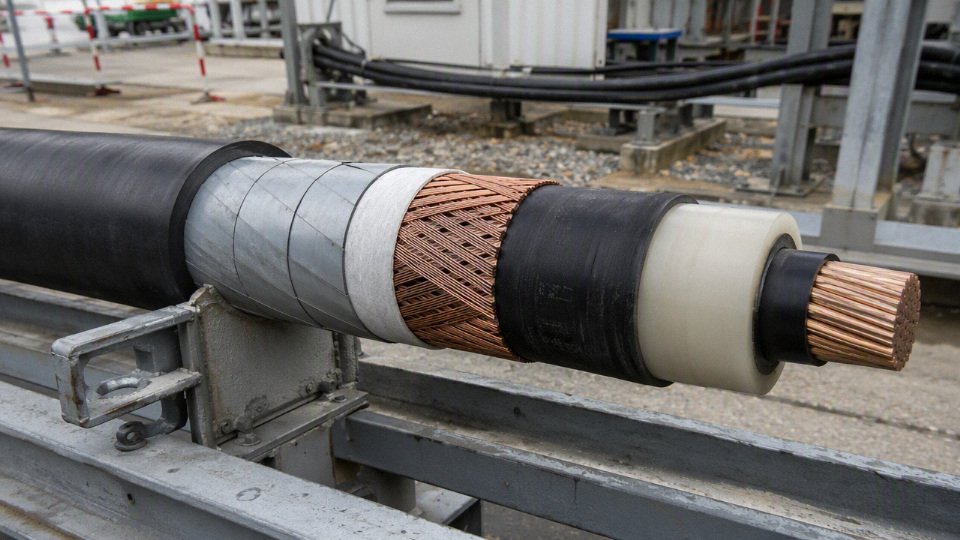
Select insulation and sheath for the exposure, not just the nameplate voltage
Insulation keeps the conductor electrically separated; the sheath keeps the insulation alive long enough to do that job. On a plant floor, those are not the same duty. A cable may pass a voltage rating check and still fail early because coolant, hydraulic oil, sunlight, tray abrasion, or repeated flexing attacks the jacket.
Specify insulation and sheath materials against these conditions:
- Voltage class: low-voltage power, control, instrumentation, and medium-voltage cable have different insulation thicknesses, screening needs, and test regimes.
- Operating temperature: include conductor heating, ambient temperature, tray grouping, roof exposure, and seasonal peaks. A cable that is fine in a ventilated tray may run hot inside a packed conduit near a furnace.
- Chemical and oil exposure: oils, solvents, acids, alkalis, cutting fluids, and washdown chemicals can swell, crack, or soften unsuitable sheaths.
- Flame performance: choose according to the installation requirement, such as flame-retardant, low-smoke, halogen-free, or fire-resistant construction where applicable. Do not treat these as interchangeable labels.
- Ultraviolet and weather exposure: outdoor tray, rooftop solar runs, dock areas, and open yards need UV and moisture resistance.
- Moisture and water: wet trenches, tunnels, pumps, marine service, and mining applications need water-blocking or sheath systems appropriate to the exposure.
- Mechanical stress: abrasion, impact, crush, torsion, drag chains, festoons, reels, and portable tools call for different constructions.
The mechanism is simple but unforgiving: heat, chemicals, and flexing reduce insulation integrity; leakage current increases; tracking, arcing, or a line-to-ground fault becomes more likely; then the first human contact may become part of the fault path. A more robust sheath buys margin, but it can also increase diameter, stiffness, termination difficulty, minimum bend radius, and cost. The preferred choice flips when maintenance access is poor or movement is severe; flexibility and inspectability may matter more than a very heavy fixed-installation jacket.
Size conductors for the whole circuit duty
Conductor sizing should cover more than steady running current. A technically defensible specification checks:
- Ampacity: based on conductor material, insulation temperature rating, installation method, ambient temperature, and correction factors.
- Voltage drop: especially on long feeder runs, cranes, pumps, mobile equipment, and low-voltage control circuits.
- Short-circuit withstand: the conductor and screen must survive until the protective device clears the fault.
- Installation method: tray, conduit, duct bank, direct burial, free air, and cable ladder all remove heat differently.
- Grouping: tightly bundled cables run hotter than single runs with airflow.
- Ambient temperature: roof spaces, foundries, boiler rooms, and tropical outdoor installations change the margin.
- Duty cycle: intermittent welders, hoists, compressors, and motor starts are not the same as continuous process loads.
Undersized cable is not just an efficiency problem. Higher conductor temperature accelerates insulation aging, weakens terminations, and increases the chance that a damaged sheath becomes an energized touch hazard. Oversizing can reduce losses and heating, but it costs more, weighs more, and may not fit existing glands, trays, or switchgear terminals. In retrofit work, I have seen oversized cables forced into poor bend radii because nobody checked the panel entry space; that is not an upgrade.
Make fault current go where protection can see it
Grounding, bonding, armor, metallic screens, shields, and protective conductors are not decorative features. Their job is to provide a low-impedance fault path so a protective device trips quickly instead of leaving exposed metalwork energized.
Grounding does not make a damaged cable harmless; it gives fault current a preferred low-impedance path so protective equipment can disconnect the supply.True
A person can still receive a shock if bonding is poor, protection is incorrectly selected, or contact occurs before disconnection. Grounding must be coordinated with overcurrent, residual-current, or ground-fault protection.
In practice, the weak points are often ordinary details:
- loose bonding jumpers on tray sections;
- corroded gland plates;
- paint under earth lugs;
- armor not properly terminated;
- shields grounded at the wrong points for the application;
- protective conductors omitted from flexible equipment leads;
- neutral and protective earth mixed downstream where they should not be.
Metallic screens and shields in medium-voltage and instrumentation cables also need correct termination. In MV circuits, screens help control the electric field and provide a path for charging and fault currents. In instrumentation circuits, shields reduce noise, but poor grounding can create loops or leave drain wires floating in a way that defeats the purpose.
Coordinate protective devices with the cable and installation
Protective devices reduce shock severity by reducing time, current, or fault energy. They must be selected for the grounding system, load type, nuisance-trip tolerance, and local electrical code.
Use the right protection for the hazard:
| Protection method | Where it helps | Main caution |
|---|---|---|
| Residual current device or ground fault circuit interrupter | Personnel protection in many low-voltage circuits, portable tools, wet areas, temporary power | Must be rated and coordinated for leakage, load type, and local standards |
| Ground fault protection | Feeders, equipment, motors, distribution systems | Setting too high may fail to protect personnel; setting too low may trip production unnecessarily |
| Overcurrent protection | Short circuits and overloads | A high-impedance ground fault may not draw enough current to trip quickly |
| Insulation monitoring | Unearthed or impedance-earthed systems, critical processes | Requires trained response; alarms ignored for weeks become normal background noise |
| Arc fault protection | Locations with arc fault concern, depending on system and regulations | Device suitability and coordination must be verified against the installation |
Protection is only effective when the cable impedance, fault path, device settings, and disconnection time are engineered as one system. A catalog breaker rating by itself tells you very little about touch voltage duration.
Match cable construction to the operating environment
Do not buy one “industrial cable” for every service. Separate the application first:
- Fixed power cable: feeders, motors, panels, MCCs, cable trays, ducts.
- Flexible rubber cable: portable equipment, temporary power, moving plant connections.
- Mining cable: abrasion, trailing duty, moisture, mechanical abuse, often special safety requirements.
- Welding cable: high current, flexibility, rough handling; not a substitute for every flexible power cable.
- Marine cable: moisture, oil, flame, corrosion, vibration, and classification requirements.
- Solar cable: UV exposure, outdoor temperature cycling, DC duty, connector compatibility.
- Control cable: switching, interlocks, panel wiring, machine circuits.
- Instrumentation cable: signal integrity, shielding, pair or triad construction, noise control.
- Medium-voltage cable: insulation system, conductor screen, insulation screen, metallic screen, partial discharge and routine test requirements.
The boundary here is application data. Without load current, voltage, installation route, ambient condition, and movement profile, a supplier can only offer a generic recommendation, and generic recommendations are where procurement mistakes hide.
Require documentation before shipment, not after failure
For technical buying, the purchase order should call out the documents needed for acceptance:
- applicable product standard;
- project-specific datasheet;
- construction drawing or cable structure description;
- type test reports where relevant;
- routine test records for the supplied batch;
- conductor, insulation, sheath, and armor material traceability;
- quality management credentials;
- packing list, drum schedule, and marking requirements;
- installation, storage, and handling instructions.
For export projects, align document language, marking, and inspection hold points early. A cable can be electrically correct and still cause commercial pain if drum labels, test certificates, or datasheets do not match the buyer’s receiving and customs process.
Plan inspection and maintenance into the specification
Maintenance should not begin after the first trip event. Build inspection access and test points into the design.
A practical cable maintenance plan includes:
- Visual checks: cuts, swelling, discoloration, crushed sections, exposed braid, damaged glands, unsupported spans.
- Insulation resistance testing: performed with the correct test voltage and procedure for the cable type and connected equipment.
- Continuity testing: protective conductors, armor bonding, screens, and earth paths.
- Thermography: loaded panels, terminations, bus connections, cable joints, and high-current feeders.
- Connector checks: torque, corrosion, gasket condition, strain relief, gland tightness, and water ingress.
- Bend radius verification: especially after shutdown work, tray rerouting, or machine relocation.
- Replacement criteria: repeated overheating, sheath cracking, failed insulation readings, damaged armor, water ingress, or unknown history after a fault.
Buyer checklist asset to attach to RFQs
Use an English-only cable application checklist with these fields:
- application;
- voltage;
- current;
- route length and installation method;
- indoor or outdoor environment;
- temperature, moisture, oil, chemical, UV, and flame requirements;
- mechanical stress, movement, bending, pulling, impact, or abrasion;
- applicable compliance standard;
- required tests and inspection documents;
- cable marking and packaging;
- delivery schedule;
- after-sales support requirements.
That checklist saves time for both sides. It also prevents the common procurement shortcut of asking for “the safest cable” without defining the electrical load, exposure, movement, installation method, and maintenance capability that actually determine shock risk.
Immediate response after shock
- Do not touch the person while they may still be energized.
The rescuer becoming the second casualty is common enough that every maintenance supervisor should drill this point until it is automatic. A wet floor, a steel workbench, a cable tray, a ladder, or a tool still in the person’s hand can keep the circuit active. For medium- or high-voltage equipment, do not approach unless you are trained and authorized; step potential and arc risk can extend beyond the obvious contact point. Disconnect power if you can do it safely.
Use the nearest safe control point:- Emergency stop, if it actually removes hazardous energy from the affected circuit
- Local disconnect switch or isolator
- Breaker, MCC bucket, or upstream feeder
- Plug and socket, if the plug can be reached without entering the hazard area
- Lockout point already identified in the machine’s energy-control procedure
In practice, an E-stop on a machine may stop motion but not isolate all incoming power, heaters, stored DC bus energy, or control transformer feeds. If there is any doubt, call qualified electrical personnel and emergency services rather than improvising with a broom handle, dry board, or gloves that were never rated for electrical rescue.
Call emergency services immediately for serious signs or industrial exposure.
Do this for:- High-voltage exposure or suspected arc flash
- Loss of consciousness, even briefly
- Chest pain, shortness of breath, or abnormal heartbeat
- Confusion, weakness, seizure, or unusual behavior
- Burns, especially at entry and exit points
- Pregnancy
- Fall injury after the shock
- Any shock through the chest, hand-to-hand path, or hand-to-foot path
- Any significant workplace incident involving fixed equipment, damaged cable, temporary power, or energized enclosures
A person who feels normal after an electrical shock may still need medical evaluation.True
Heart rhythm disturbances, internal burns, muscle injury, and fall trauma may not be obvious immediately, especially after chest-path shocks, high-voltage exposure, or industrial electrical incidents.
If the person is unresponsive and not breathing normally, start CPR and use an AED.
Follow your local emergency training and dispatcher instructions. Send one person for the automated external defibrillator while another starts compressions if trained to do so. Electrical shock is one of the situations where early defibrillation can matter, because the heart may be in a dangerous rhythm rather than simply stopped.Treat burns only after the power is isolated and the area is safe.
Do not apply grease, oils, shop chemicals, powders, adhesive tapes, or “cooling” sprays from a maintenance cabinet. Follow first-aid training: protect the burn, keep it clean, and let medical responders assess depth and severity. Electrical burns can be worse below the surface than they look at the skin.Keep the person still, warm, and monitored.
Do not let a shocked worker “walk it off” or return to the panel because the line is down and production is waiting. Watch breathing, skin color, alertness, and complaints of chest discomfort or muscle pain. If they fell from a ladder, platform, or machine frame, treat it as a possible head, neck, or spine injury until responders say otherwise.Preserve the incident scene after rescue.
Once the person is safe and emergency actions are under way, prevent well-meaning cleanup. Keep damaged cables, cord caps, tools, PPE, portable lights, extension reels, protective devices, and lockout tags in place where practical. Record breaker positions, trip indications, temporary wiring, wet areas, and who reset what. A tripped RCD, burned terminal, cut insulation jacket, or bypassed interlock may be the only clue that prevents the next shock.Arrange medical evaluation even when symptoms improve.
This is especially true for high-voltage contact, suspected current through the chest, shock from industrial distribution equipment, burns, pregnancy, abnormal pulse, or any event serious enough to stop work. The plant can replace a fuse, cable, or drive; it cannot inspect a worker’s heart rhythm by looking at them across the shop floor.
Frequently asked questions
Which organ is first affected by electric shock?
The skin is usually the first tissue contacted, but the nervous system is often the first to react in a noticeable way: tingling, pain, startle response, or muscle contraction. The heart becomes the critical concern when the current path crosses the chest, especially hand-to-hand or hand-to-foot.
Can a small electric shock damage the heart?
Yes, but not every minor shock does. Concern depends on current path, current magnitude, contact duration, skin condition, and symptoms afterward. A brief fingertip shock from a low-energy source is different from a wet-hand contact across the body. Chest pain, fainting, palpitations, shortness of breath, or shock through the torso should be treated seriously.
Why can someone be unable to let go?
Power-frequency AC can cause involuntary muscle contraction, especially when the hand grips an energized conductor or tool. The forearm flexor muscles may clamp harder than the worker can voluntarily release. For many adults, let-go current is often cited around 6 mA to 16 mA, but body size, contact area, moisture, and grip position change the threshold.
Is AC more dangerous than DC?
Neither is automatically “safe.” At 50 Hz to 60 Hz, AC is particularly dangerous because it can cause muscle tetany and can interfere with heart rhythm at relatively modest currents through the chest. DC may cause a single strong contraction, burns, arc injury, or deep tissue damage, especially at high voltage or high available fault current.
Can electric shock cause delayed symptoms?
Yes. Delayed problems may include numbness, weakness, headache, memory issues, muscle soreness from violent contraction, burns that look worse later, and heart rhythm symptoms. A worker who “feels fine” immediately after a shock can still need medical evaluation if the path, voltage, duration, fall risk, or symptoms are concerning.
Do rubber gloves or boots always protect workers?
No. Only correctly rated, inspected, dry, and properly used electrical protective equipment should be trusted. Ordinary rubber work gloves, wet safety boots, cracked dielectric gloves, contaminated soles, or gloves used beyond inspection limits can give a false sense of protection. In plants, I have seen this fail at cable trays, washdown areas, and temporary power setups.
What cable features reduce shock risk?
Shock risk is reduced by the whole cable system, not one feature alone:
- Correct insulation material and voltage rating
- Outer sheath suited to oil, water, sunlight, abrasion, chemicals, or movement
- Proper grounding conductor continuity
- Shielding or armor where mechanical damage or electrical noise is expected
- Correct conductor sizing to limit overheating
- Factory and site testing appropriate to the cable type
- Compliant termination, gland, tray, conduit, and bonding installation
A good cable installed badly is still a hazard.
When should a facility replace a damaged cable?
Remove the cable from service immediately if there is cracked insulation, exposed conductor, crushed jacket, overheating marks, repeated tripping, water ingress, failed insulation testing, or damage at glands and terminations. Do not keep a suspect cable running because production is behind schedule; temporary operation often becomes the accident pathway.
Verify your electrical safeguards
The operating lesson is blunt: the first organ affected by electric shock depends on contact point, skin condition, and current path, but an industrial cable system should be designed so current never enters the body in the first place. Once a hand-to-hand or hand-to-foot path is possible, the discussion has already moved from productivity risk to personnel risk. Prevention belongs in cable specification, protection coordination, and inspection discipline, not in hoping the shock will be minor.
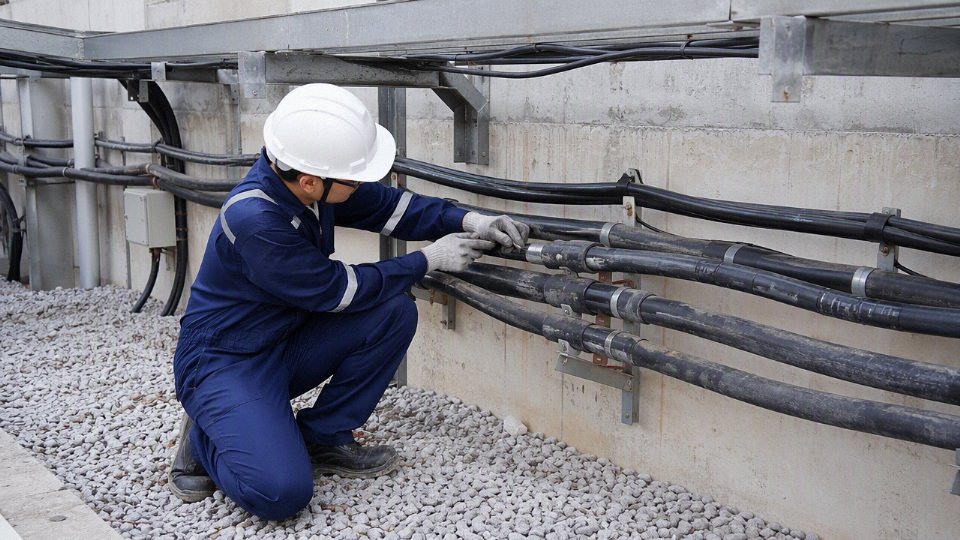
Verify the system in three layers, because one good layer does not excuse a weak one elsewhere.
- Correct cable specification for the actual environment
Do not buy only from voltage rating and conductor size. Those are entry conditions, not a complete specification. Review:- Nominal and maximum system voltage
- Load current, starting current, duty cycle, and derating conditions
- Ambient temperature, bundling, tray fill, burial, conduit, or free-air installation
- Exposure to oil, coolant, water, UV, ozone, chemicals, flame, abrasion, rodents, or weld spatter
- Flexing, torsion, reeling, crane travel, drag chain movement, or vibration
- Required insulation, sheath, shielding, armor, grounding conductor, and flame performance
- Applicable IEC, EN, BS, UL, CSA, or project-specific standards
In practice, I see trouble when a plant reuses a “similar” cable because the voltage matches. A cable that survives in a dry MCC room may fail early on a washdown line, a port crane, or a furnace-side cable tray. Wet or damaged insulation can turn a theoretical electrical design into a touch-voltage problem very quickly.
Correct protective device coordination
Circuit breakers, fuses, RCDs, GFCIs, insulation monitoring, grounding, bonding, and overload protection need to match the cable and the fault conditions. The protective device must disconnect faults fast enough without nuisance tripping every time a motor starts or a VFD creates leakage current. That balance is not guesswork; it depends on fault current, cable length, conductor impedance, earthing arrangement, device curves, and local code requirements.
A cable with the correct voltage rating is automatically safe for any industrial installation at that voltage.False
Voltage rating is only one requirement. Insulation material, sheath resistance, grounding, mechanical protection, environment, installation method, and protective device coordination all affect shock risk.
- Disciplined inspection and replacement practices
Build inspection into maintenance rounds, not only after a fault. Check for:- Cracked jackets, flattened sections, cuts, swelling, or heat discoloration
- Loose glands, missing strain relief, pulled terminations, and poor bonding
- Water ingress at junction boxes and cable entries
- Temporary repairs with tape that have become permanent
- Repeated nuisance trips, insulation resistance decline, or unexplained leakage current
- Cables rubbing against tray edges, machine frames, or sharp conduit ends
Procurement and engineering should review whether the purchased cable matches the plant as it is actually operated, not as the drawing looked during the tender. Price matters, but a low-cost cable in the wrong sheath compound, wrong flex class, or wrong installation category can create replacement labor, downtime, and shock exposure that dwarfs the saving.
Jinda can support this review as an industrial cable manufacturer established in 1987, with five production bases, 470,000 m² of manufacturing space, more than 1,000 employees, and integrated R&D, production, sales, technical support, and after-sales service. For a cable specification review or quotation, share the project voltage, load current, operating environment, installation method, movement or flexing requirements, applicable standards, required quantity, and delivery schedule. Clear site photos, existing cable markings, drawings, or failed samples make the review much more useful.
A well-specified cable system protects people before it protects equipment, uptime, or budgets.