Underground service conductors are expensive to fix after the trench is backfilled, the meter base is set, and the inspector finds a sizing or termination problem. The wrong cable choice can mean voltage drop complaints, overheated lugs, failed inspection, rework, and a second excavation bill. The practical answer starts with service type, conductor material, insulation rating, terminal temperature, burial method, and run length.
For many 200 amp residential underground services, the common starting point is 2/0 copper or 4/0 aluminum when the dwelling service sizing rule is permitted. For non-dwelling services, typical North American practice often moves to 3/0 copper or 250 kcmil aluminum using 75 C terminal ampacity. Always verify local code and equipment markings.
That sounds simple until the run stretches across a long driveway, the utility has its own service lateral requirements, or the panel lugs are marked for a temperature rating that changes the calculation. The difference between “passes inspection” and “works well for 30 years” is usually hidden in those details.
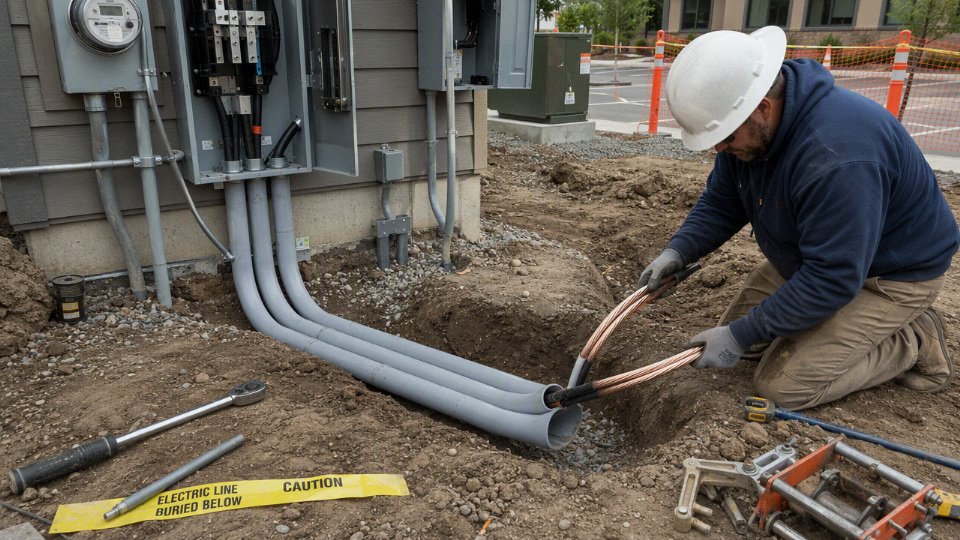
Code rules that change size
A “200 amp” label does not produce one universal underground conductor size because the rule set changes with the occupancy, load type, terminal ratings, installation conditions, and utility requirements. The permitted size is finally accepted by the governing electrical code, the authority having jurisdiction, and often the utility service manual — not by a supplier chart or an online table by itself.
Who actually decides the permitted size?
For a service entrance or underground lateral, three documents usually matter before the purchase order is released:
- The adopted electrical code: In North America this is often based on the NEC, but the adopted edition and local amendments matter. A table reference that is valid under one edition may not be accepted under another.
- The AHJ interpretation: The inspector or plan reviewer decides whether a dwelling allowance applies, whether a calculated load is acceptable, and whether installation conditions require correction factors.
- The utility service manual: Utilities often specify meter socket type, conductor material, minimum conductor size, service raceway, grounding and bonding details, transformer connection limits, and whether customer-owned conductors may be aluminum or copper.
On plant projects, I have seen technically adequate cable submittals delayed because the utility required a different service entrance arrangement than the electrical contractor assumed. That is not a cable quality issue; it is a scope and jurisdiction issue. For underground work, the trench may already be open by the time the conflict is found, which is an expensive time to learn that the utility will not energize the service.
Why residential dwelling services may use a smaller conductor
Many North American dwelling installations use a residential service or feeder allowance for conductors supplying the full dwelling load. That is why many single-family 200 amp services are commonly seen with conductor sizes smaller than the standard full 200 amp ampacity selection used for other occupancies.
The engineering logic is load diversity. A house may have a 200 amp service rating, but the code recognizes that the full connected load is not normally operating at maximum at the same time. Heating, cooling, cooking, laundry, receptacle load, and lighting are treated through dwelling load calculation rules rather than simple nameplate addition. That allowance can reduce copper or aluminum size, which lowers cable cost, conduit fill pressure, pulling force, and termination difficulty.
The boundary is important: the dwelling allowance is not a general-purpose discount for every 200 amp circuit. It normally applies only when the conductors supply the full dwelling load under the conditions allowed by the adopted code. It should not be casually applied to a detached shop feeder, a farm pump panel, a commercial tenant space, a multifamily common-area service, or an equipment feeder just because the breaker says 200 amps.
Where full 200 amp ampacity is usually required
Commercial, industrial, agricultural, and equipment feeder applications are usually treated more directly: if the circuit is rated 200 amps, the conductors must have ampacity suitable for that load after the applicable corrections and adjustments. That is why common non-dwelling selections often move up compared with dwelling service conductors.
This affects several common cases:
- Commercial panels serving lighting, receptacles, HVAC, kitchens, workshops, or tenant loads.
- Industrial feeders supplying motor control centers, welders, compressors, process skids, or packaging lines.
- Agricultural services with pumps, ventilation, grain handling, refrigeration, or irrigation controls.
- Multifamily common areas such as house panels, elevator support loads, fire pumps, garage ventilation, and exterior lighting.
- Dedicated equipment feeders where the connected machine load, duty cycle, starting current, and manufacturer instructions may control the conductor selection.
The trade-off is straightforward. Using the dwelling allowance where it is legal saves material and makes installation easier; using it where it is not legal risks failed inspection, overheating under sustained load, nuisance trips, or an insurance problem after a fault or fire investigation. In procurement terms, the cheapest reel is not cheap if the crew has to pull it out.
Why the 75 °C ampacity column usually controls
Most large service conductors are selected from the 75 °C ampacity column because service equipment, breakers, disconnects, meter sockets, and lugs commonly have 75 °C rated terminals for these conductor sizes. The cable insulation may be marked 90 °C, but the termination is usually the limiting component.
A conductor with 90 °C insulation is not automatically allowed to carry the 90 °C ampacity when it is landed on 75 °C terminals.True
The conductor insulation rating, terminal temperature rating, equipment listing, and code ampacity rules all interact. In many service installations, the 90 °C value may be used only as a starting point for adjustment or correction, while the final allowable ampacity cannot exceed the 75 °C terminal limit.
The mechanism is thermal, not paperwork. Current creates heat in the conductor. That heat travels into the lug, breaker, meter jaw, and enclosure. If the termination is listed for 75 °C operation, allowing the conductor to run at a 90 °C ampacity can push the terminal above its tested temperature rise. Over time that can relax clamping pressure, accelerate oxidation on aluminum, harden insulation near the lug, and create a maintenance problem that shows up as a hot spot on an infrared scan.
In practice, this is also why torque records matter. A correctly sized aluminum service conductor with oxide inhibitor where required and a calibrated torque wrench on the lug is a different installation from the same conductor tightened by feel with a 3/8-inch ratchet.
Conditions that can force upsizing or engineering review
Several conditions can change the answer even after the occupancy type and terminal rating are known:
- High ambient temperature: Conductors in hot climates, sun-exposed raceways, rooftop transitions, or poorly ventilated equipment spaces may need ampacity correction.
- More than three current-carrying conductors in one raceway: Adjustment factors can reduce allowable ampacity, especially where multiple feeders share a duct bank or large conduit.
- Parallel conductors: Parallel runs must meet code rules for minimum size, equal length, same material, same insulation type, same termination method, and balanced impedance.
- Continuous loads: Loads expected to run for long periods may require conductor and overcurrent device sizing above the simple nameplate current, depending on the applicable rule.
- Harmonic-producing loads: VFDs, UPS systems, LED drivers, data equipment, and nonlinear loads may increase neutral heating or require special treatment.
- Utility transformer arrangements: Service voltage, available fault current, transformer location, grounding system, and service lateral ownership can change conductor, raceway, and equipment requirements.
- Voltage drop on long underground runs: Code ampacity may pass, while voltage at the load is still poor. Long laterals may need larger conductors for performance rather than ampacity alone.
For a short residential service, the code allowance may be the controlling factor. For a long underground feeder to a shop, irrigation pump, machine building, or commercial panel, voltage drop, load profile, and terminal temperature often become the harder constraints. That is where the wire size should be checked from both directions: legal ampacity first, then actual operating performance at the far end of the run.
Copper versus aluminum conductors
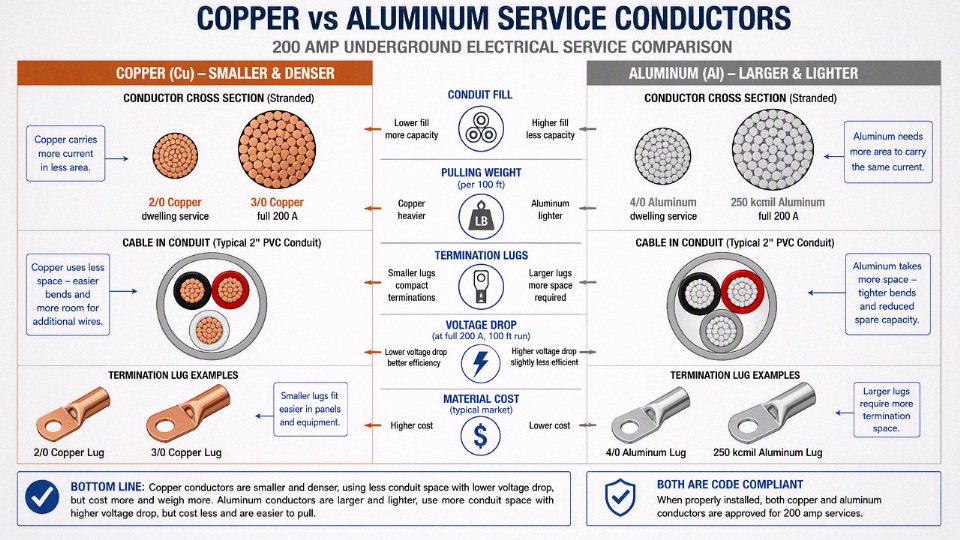
For a 200 amp underground service, copper is the compact, high-conductivity choice; aluminum is the lighter, usually lower-cost choice that often wins on longer runs and larger procurements. In many dwelling services the familiar comparison is 2/0 copper versus 4/0 aluminum, while many full 200 amp non-dwelling applications move to about 3/0 copper versus 250 kcmil aluminum, subject to the applicable code and terminal ratings.
The reason aluminum grows in size is simple physics: aluminum has lower conductivity than copper, so it needs more cross-sectional area to carry comparable current at an acceptable temperature rise. That larger conductor is not automatically a weakness. The added area also lowers resistance, which can help voltage drop on a long underground lateral, while the lower density keeps pulling weight manageable.
| Decision factor | Copper service conductors | Aluminum service conductors |
|---|---|---|
| Typical 200 amp dwelling sizing in many North American installations | Often 2/0 copper where the dwelling service sizing rule is permitted | Often 4/0 aluminum where the same rule is permitted |
| Typical full 200 amp non-dwelling sizing | Often 3/0 copper based on 75 C ampacity practice | Often 250 kcmil aluminum based on 75 C ampacity practice |
| Conduit fill and tight spaces | Smaller outside diameter helps in limited duct space | Larger diameter may require larger conduit or careful fill checking |
| Pulling and handling | Heavier per foot; can be harder on long pulls | Lighter per foot; easier to move in long reels and long duct banks |
| Terminations | Generally more forgiving, but still requires listed lugs and correct torque | Requires aluminum-rated or Cu/Al-rated terminals and disciplined preparation |
| Commercial behavior | Higher metal value, higher theft exposure, usually higher material cost | Usually lower conductor cost, but larger size and accessories must be counted |
The mistake I see most often is comparing only ampacity and ignoring the whole installed system: conduit, lugs, pulling tension, voltage drop, reel logistics, and replacement availability. A 4/0 aluminum cable is not just a cheaper substitute for 2/0 copper; it changes bend space, sweep radius, conductor stiffness, and sometimes the enclosure size at the service equipment.
Electrical performance is not only ampacity
Copper carries more current in a smaller conductor because its resistivity is lower. That is why copper is attractive in crowded risers, existing underground conduit, compact meter-main equipment, and service gear with limited wire bending space. If a contractor is trying to reuse an old raceway, copper may be the only practical way to stay inside conduit fill and pulling limits without tearing up concrete.
Aluminum compensates with area. For a long underground run — say a detached shop, pump building, small commercial service, or a residence set far back from the utility transformer — upsizing aluminum can be a sensible engineering move. The larger conductor reduces resistance, which reduces voltage drop and heat loss along the run. The owner may pay for more conductor volume and larger fittings, but still spend less than copper while getting better voltage performance than a minimum-size installation.
The flip point depends on run length, conduit route, labor rates, gear terminations, and metal pricing at the time of purchase. On a short, congested service entrance, copper can save enough space and installation pain to justify its price. On a long underground feeder or a multi-building procurement, aluminum often becomes the value choice because material cost and reel weight dominate the job.
Terminations decide whether aluminum performs well
Aluminum conductors are not difficult, but they are less tolerant of sloppy workmanship. The lug must be listed for aluminum or marked for copper-aluminum use. If the equipment label says copper only, that is not a suggestion; the conductor choice must change or the termination equipment must change.
Good aluminum termination practice usually includes:
- Confirm the lug marking and temperature rating. The conductor ampacity must match the terminal temperature rating, often 75 C for larger service equipment in North American practice, but the actual equipment label controls.
- Prepare the conductor as required by the connector manufacturer. Some connectors call for oxide inhibitor, brushing, or specific surface preparation; others have different instructions. Follow the listed connector documentation, not a habit passed down from the last job.
- Use the correct die, compression tool, or mechanical lug arrangement. A loose crimp or an improvised lug is a future hot spot.
- Torque to the manufacturer’s value with a calibrated torque wrench. “Good and tight” is not a torque method. I have seen 4/0 aluminum lugs cooked because an installer used a short Allen key and guessed.
- Recheck only if the manufacturer or maintenance procedure calls for it. Random retightening can damage strands or threads; maintenance needs to follow the equipment instructions.
The mechanism behind these cautions is contact resistance. A poor termination creates a small high-resistance point; under 200 amp load that point heats, heating increases oxidation and relaxation, and the connection can degrade faster. Copper can fail the same way, but aluminum’s oxide layer and expansion behavior make listed hardware and torque discipline especially important.
Aluminum service conductors are unsafe for 200 amp underground service.False
Aluminum conductors are widely used for service and feeder installations when they are correctly sized, installed in suitable raceway or cable assemblies, and terminated on lugs listed for aluminum or copper-aluminum conductors. The risk comes from incorrect sizing, incompatible terminals, poor preparation, or improper torque, not from aluminum as a conductor category.
Handling, conduit, and site labor
Aluminum’s larger diameter affects conduit fill, sweep bends, pull boxes, and service equipment bending space. A 250 kcmil aluminum conductor is bulkier than a 3/0 copper conductor, and that matters if the underground route has tight 90-degree bends, long runs with several sweeps, or old PVC that has gone slightly oval under backfill. Larger conduit may be needed, and that can push up excavation, fittings, and trench width costs.
The other side is pulling weight. Aluminum is much lighter than copper, so a long pull can be easier on the crew, the tugger, and the duct. On a plant expansion or residential development with repeated service laterals, that difference shows up in reel handling, forklift time, shipping cost, and fewer ugly moments at the trench when a crew tries to manhandle a heavy copper reel with a loader and a chain.
Copper still has a place where space is the governing constraint. Existing raceways, compact switchgear, pad-mounted equipment with tight bend windows, and urban service entrances often favor copper because smaller conductors solve problems that material savings cannot solve. If the conduit is already in the ground and marginal on fill, aluminum’s lower price per foot may not matter.
Lifecycle and procurement considerations
A buyer should not treat this as a pure engineering-table decision. Metal price volatility can swing quotes between bid day and release-for-manufacture. Copper usually carries a higher theft risk, especially on jobs where reels sit outside over a weekend; that is not theoretical to anyone who has had a service entrance disappear from a muddy site. Aluminum lowers scrap value and shipping weight, but larger reel dimensions and connector compatibility still need to be planned.
For international projects, the specification can shift again. Some utilities and national standards strongly prefer copper in certain service conditions; others commonly accept or prefer aluminum for distribution and service conductors. Procurement policies may also dictate conductor class, insulation type, flame rating, armoring, neutral identification, or metric cross-section rather than AWG/kcmil sizing. A project datasheet must state the governing standard, voltage rating, installation method, conductor material, conductor size, insulation system, and termination requirements rather than relying on a generic “200 amp wire size” chart.
A properly specified larger aluminum conductor can be the higher-value engineering choice even on projects where copper is seen as the premium material. That statement stops holding when conduit space, equipment lug compatibility, local utility rules, or site maintenance practices do not support aluminum. Before releasing a purchase order, check the actual service equipment markings, local code basis, utility service guide, route length, conduit design, and voltage drop calculation.
Underground cable constructions
Underground service conductors are not just “large wires in a pipe.” In North American practice, underground raceways are treated as wet locations, so the insulation rating has to be suitable for water exposure: commonly XHHW-2, THWN-2, RHW-2, USE-2, or another wet-location construction accepted by the local authority and the equipment listings. If the cable marking does not say the right wet-location rating, do not bury it or pull it into an underground conduit just because the ampacity looks correct.
Water gets into underground conduit. Not “maybe” — it does. Condensation, imperfect glue joints, handhole flooding, and seasonal ground temperature swings all put moisture inside raceways. That is why dry-location-only insulation is the wrong product even when the conduit is PVC and the trench looks clean on inspection day.
Individual conductors in conduit versus direct-burial cable
Most 200 amp underground services fall into one of two construction families:
| Construction | Typical use | Practical advantage | Practical drawback |
|---|---|---|---|
| Individual conductors pulled in conduit | Utility-to-meter, meter-to-panel feeder, long residential or light commercial runs | Good mechanical protection, easier replacement if the conduit is sized and installed correctly, inspectors often like the visibility of listed conductor markings | Higher installation labor and conduit cost; pulling large aluminum conductors through bends can be unforgiving |
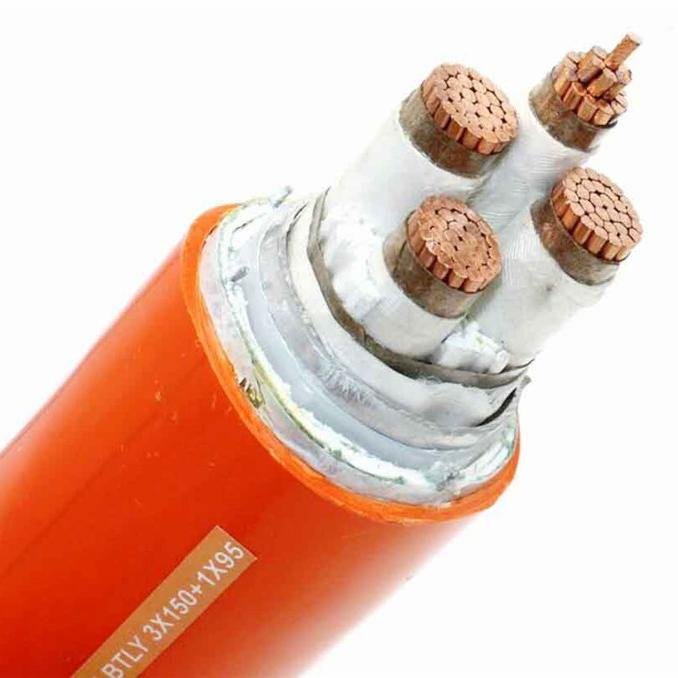
| Direct-burial service cable assembly | Residential laterals, some utility-approved service entrance work | Lower material count, faster trench installation, fewer fittings | Harder to replace, more vulnerable to digging damage unless protected, not always accepted past certain service points or inside structures |
Conduit gives you a serviceable pathway, but only if the contractor avoids the usual mistakes: too many bends, undersized sweeps, crushed PVC, no pulling rope, and LB fittings that are nowhere near large enough for 4/0 aluminum. A direct-burial assembly saves time in the trench, but if it fails under a driveway, the repair is excavation, not a quick pull.
Inspection preference varies. Some jurisdictions and utilities strongly prefer conduit for customer-owned underground service conductors because burial depth, physical protection, and riser protection are easier to verify. Others accept listed direct-burial cable when installed with warning tape, bedding, proper cover, and rigid or schedule-rated protection where the cable emerges from grade.
USE-2 is common underground, but watch the building entry
USE-2 conductors are widely used for underground service entrance work because the insulation is intended for underground use. The trap is at the transition into the building. USE-2 by itself may not be permitted for interior wiring beyond the allowed service entrance point, depending on the code edition, local interpretation, and exact product marking.
The safer procurement move is to check whether the conductor carries a dual or multiple rating such as USE-2/RHW-2 or USE-2/XHHW-2 when the run will enter equipment rooms, meter-main enclosures, or service gear mounted on or inside the structure. That combined marking can prevent a field argument where the cable is electrically adequate but rejected because its listing does not match the installation environment.
A conductor suitable for direct burial is automatically acceptable for all indoor service wiring.False
Underground-use ratings such as USE-2 do not necessarily satisfy building-wire requirements after the conductor enters a structure. The exact conductor marking and local code acceptance must be verified.
Insulation and jacket details that affect the job
For 200 amp underground service, the insulation system is not just a catalog line. It affects pulling tension, heat rating, moisture behavior, flame performance, and how the cable survives the first twenty feet above grade.
Common decision points include:
- XLPE insulation: Common on XHHW-2, RHW-2, and USE-2 type products. It generally handles heat and moisture well, with good mechanical toughness compared with softer compounds.
- PVC or nylon-jacketed constructions: Common in THWN-2/THHN-style building wire, where allowed. Nylon jackets can help during pulling, but jacket damage during a rough pull still matters.
- Sunlight resistance: Needed for exposed risers, pole drops, exterior meter locations, and any above-grade section before entering conduit or equipment. Do not assume every black cable is sunlight resistant; check the marking.
- Abrasion resistance: Important when pulling large conductors through long PVC runs, concrete-encased duct, or older conduit with rough bell ends. Pulling lubricant compatibility should be verified with the cable supplier.
- Flame rating: Relevant once conductors enter buildings, switchgear rooms, or other areas where flame-spread requirements apply.
- Temperature class: Many modern wet-location conductors are marked 90°C wet/dry, but ampacity may still be limited by 75°C equipment terminals on 200 amp service gear. The insulation can be rated higher than the termination allows.
The trade-off is straightforward: rugged, highly rated insulation gives more installation margin, but it can cost more, be stiffer, and require larger bending space. On a short straight trench, that may not matter. On a retrofit with tight sweeps into an existing meter base, cable flexibility can decide whether the installation is clean or miserable.
Cable types that should not be used underground
Several products appear on jobs because someone matched only the conductor size and ignored the listing. That is how expensive rework starts.
Do not specify or accept:
- Indoor-only building cable not listed for wet locations.
- Dry-location-only conductors, even inside underground conduit.
- NM-type residential cable in underground raceways.
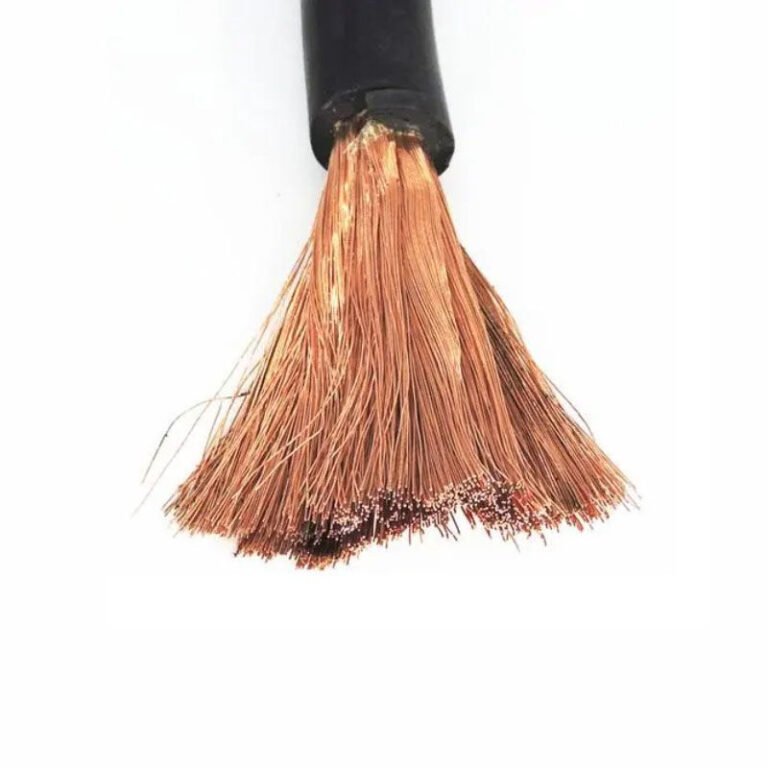
- Flexible cords, welding cable, battery cable, or unlisted “equivalent” cable used as permanent service conductors.
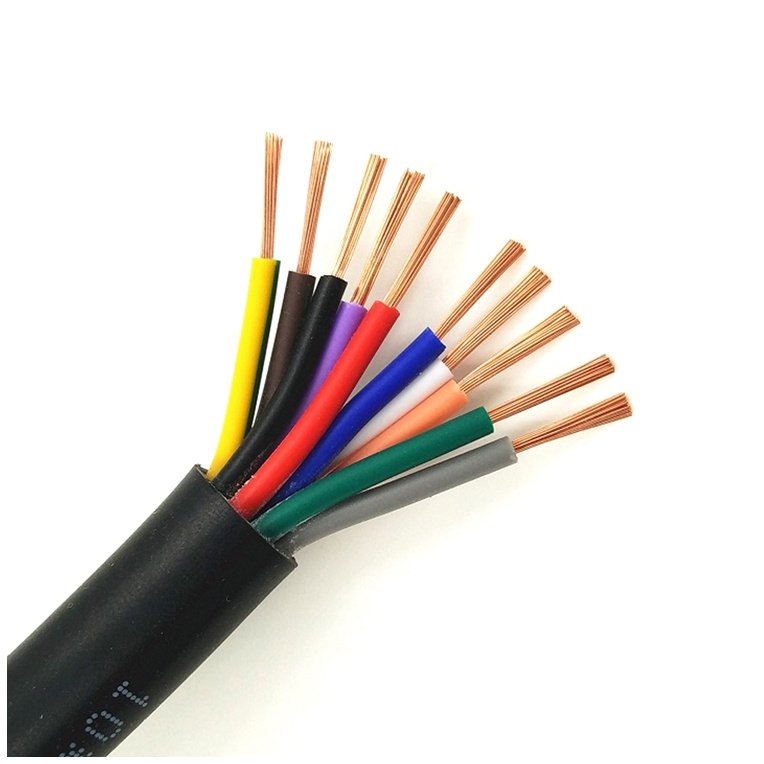
- Communication, control, or tray cable unless specifically listed and accepted for the service application.
- Any imported or surplus cable with missing, unreadable, or unverifiable markings.
- Cable without the required certification for the project jurisdiction, such as the applicable UL, CSA, or other locally recognized approval.
For procurement, the purchase description should be tight enough that a warehouse cannot substitute the wrong construction. A good line item for a 200 amp underground service conductor package should state:
- Conductor material: copper or aluminum.
- Conductor size: AWG or kcmil as designed.
- Number of conductors and colors or phase identification.
- Stranding class, especially for large aluminum conductors.
- Insulation type and full rating, such as XHHW-2, RHW-2, THWN-2, USE-2/RHW-2, or approved equivalent.
- Voltage rating, commonly 600 V unless the design requires otherwise.
- Applicable listing, certification, or standard required by the destination market.
- Wet-location, sunlight-resistant, direct-burial, or flame-rating requirements where applicable.
- Cut length, allowable length tolerance, and whether paralleling or phase-matched sets are needed.
- Drum or reel packing, pulling-eye requirements if any, reel direction, and labeling.
- Factory test documentation, traceability, and certificate package expected with shipment.
That level of detail feels tedious until the wrong drum lands on site two days before utility connection. For underground service cable, the marking on the jacket or insulation is part of the installation, not paperwork after the fact.
Voltage drop on long runs
A 200 amp underground service can be code-compliant on ampacity and still be a poor design if the run is long. Ampacity keeps the conductor insulation and terminations within temperature limits; voltage drop keeps the equipment at the far end from seeing weak voltage during normal load, starting surge, or seasonal peak demand.
The practical mistake is treating “200 amp” as one calculation. It is not. You have at least two checks:
- Ampacity check — Can the conductor safely carry the service or feeder load under the applicable code rules, insulation rating, terminal temperature rating, conduit fill, ambient conditions, and installation method?
- Voltage drop check — Will the delivered voltage stay high enough at the building, panel, motor, charger, compressor, or sensitive load when current is actually flowing?
Short underground runs often stay with the common ampacity-based sizes, assuming the local service rule and installation details permit them. Once the trench starts getting long — roughly 150 ft, 200 ft, 300 ft, or more one-way — voltage drop deserves a separate calculation before anyone releases a cable purchase order. I have seen plenty of projects where the wire was “legal” but the owner still complained about dimming lights, EV charger faults, well pump hard-starting, or a heat pump throwing low-voltage errors during cold weather.
Typical North American design practice often aims to keep feeder voltage drop near 3 percent and total feeder plus branch-circuit drop near 5 percent where practical. Some jurisdictions treat these as design guidance, while some project specifications, utility requirements, or local interpretations may make them a requirement. Do not assume the inspector, utility engineer, and equipment manufacturer will treat the number the same way.
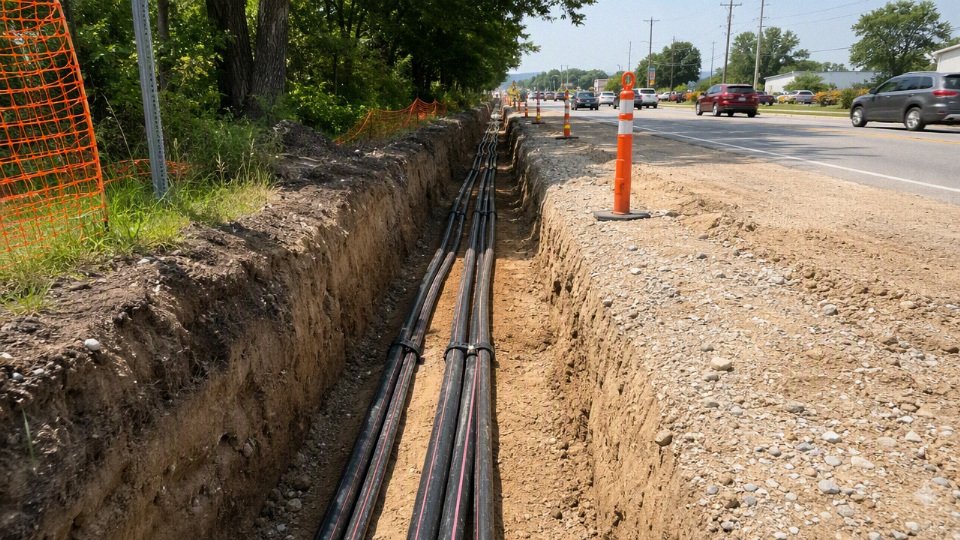
The simple mechanism is resistance. A longer conductor has more resistance, and more current through that resistance creates a larger voltage loss. Underground conductors also operate warmer under load, and conductor resistance rises with temperature, so a feeder that looks acceptable on a neat room-temperature spreadsheet may perform worse in a loaded conduit bank in August. Conduit material, burial depth, number of current-carrying conductors, soil conditions, and load diversity all affect the final answer.
A rough planning view looks like this:
| One-way underground run length | Usual voltage-drop concern | Practical engineering response |
|---|---|---|
| Under about 75 ft | Often minor if ampacity sizing is correct | Confirm service rule, material, termination ratings, and load calculation |
| Around 100–150 ft | Worth checking, especially with high continuous loads | Run voltage-drop calculation at realistic load and worst-case load |
| Around 200 ft | Common point where upsizing becomes commercially sensible | Compare larger aluminum, copper, and possible service layout changes |
| Around 300 ft or more | Voltage drop can dominate the conductor decision | Engineer the feeder, not just the ampacity; check starting loads and future expansion |
Those ranges are not code values. They are procurement and design warning flags. The actual point where upsizing pays off depends on system voltage, calculated load, conductor material, conductor temperature, raceway arrangement, whether the load is continuous, and how sensitive the connected equipment is.
Split-phase 120/240 V services add another nuisance. A 240 V load such as a water heater or many EV chargers sees voltage drop across the two ungrounded conductors. A 120 V load sees voltage from one ungrounded conductor to neutral, so the same number of volts lost is a larger percentage of the 120 V circuit. That is why lights, receptacle loads, controls, garage door operators, electronics, and small HVAC controls may complain before a purely 240 V resistive load looks unhappy.
Neutral current matters too. In a perfectly balanced split-phase system, neutral current cancels. Homes and small facilities are rarely perfect. One side may carry kitchen equipment, lighting, office electronics, a freezer, controls, and receptacles, while the other side happens to be lighter at that moment. The neutral then carries the imbalance, creating its own voltage drop and shifting line-to-neutral voltages. That is one reason a service can look fine under a balanced test but behave badly on a Monday morning with chargers, compressors, lighting, and office loads all stacked unevenly.
Load profile changes the sizing conversation:
- Heat pumps and air conditioners can draw high current during compressor start, especially in cold or hot weather when voltage is already stressed.
- EV charging is often a long-duration load. A feeder that runs warm for hours exposes voltage-drop and heating assumptions more than a short intermittent load.
- Electric water heaters and resistance heating are predictable but heavy; they may overlap with other household or facility loads.
- Welders can create flicker and nuisance complaints, even if their duty cycle keeps the ampacity calculation acceptable.
- Pumps, elevators, compressors, and other motors need enough voltage during inrush to accelerate cleanly. Low voltage increases current, raises heating, and can shorten motor and contactor life.
- Electronic equipment and controls may trip, reset, or fault before the main breaker gives any obvious clue.
For a long 200 amp underground run, upsizing is often less about passing inspection and more about preventing weak-voltage operation over the next 20 or 30 years. That distinction matters to procurement. Moving from a common 4/0 aluminum dwelling service conductor to a larger kcmil aluminum conductor can raise the cable, conduit, pulling, lug, and termination cost. It may also avoid voltage complaints, nuisance trips, overheated terminations caused by repeated high-current operation, and the ugly retrofit cost of reopening a finished driveway or yard.
Copper is not the automatic cure. Copper has lower resistance than aluminum at the same size, but it usually costs more and can create theft, weight, and handling concerns on some projects. A larger aluminum conductor may deliver the required resistance at a lower installed cost than copper, provided the raceway, bend radius, pulling tension, termination lugs, and enclosure space all accept it. On a plant-floor procurement review, I would rather compare installed options than argue material preference in isolation.
The boundary is simple: if the run is short, the calculated load is modest, and the connected equipment is tolerant, the ampacity-based conductor may be entirely reasonable. If the run is long, the service is heavily loaded, or the site has motors, EV charging, compressors, pumps, elevators, welders, or sensitive controls, voltage drop should be calculated before conductor size is finalized and before cable is bought.
Conduit and burial design
Conduit and burial design should be settled before the cable order, not after the trench is open. A 200 amp conductor can be electrically correct and still be a bad purchase if its outside diameter, stiffness, pull length, or termination route will not work through the planned duct bank, elbows, risers, and service equipment entry.
Conduit size is not chosen from ampacity alone. The installer has to account for:
- Conductor outside diameter, which changes with material, insulation type, stranding, and manufacturer.
- Conductor count, including phase conductors, neutral, equipment grounding conductor where required, and any parallel or spare conductors.
- Raceway fill limits, which depend on the number of conductors and the applicable wiring rules.
- Pulling tension and sidewall pressure, especially where large aluminum conductors pass through several sweeps.
- Bend count, because a route with four 90-degree bends on paper may become almost unpullable in the field.
- Future replacement, which is often ignored until a cable fault occurs under a paved driveway or loading area.
In practice, I prefer a little more conduit than the bare minimum when the trench cost dominates the material cost. Oversized conduit is not a license to ignore fill rules or pulling calculations, but it gives the pulling crew room to work, reduces jacket damage, and makes later replacement less painful. The trade-off is higher conduit cost, larger sweeps, more excavation clearance, and sometimes harder coordination inside crowded service rooms.
Common underground raceway choices behave very differently:
| Raceway type | Where it is commonly used | Practical cautions |
|---|---|---|
| PVC conduit | Residential and commercial underground runs, especially where corrosion resistance matters | Needs proper burial depth, solvent-weld quality, expansion control, and physical protection at risers |
| Rigid metal conduit | Exposed risers, high-abuse areas, utility approaches, industrial yards | Strong but costly, heavy, corrosion-prone without the right coating, and needs correct grounding/bonding |
| Intermediate metal conduit | Similar protection role to rigid metal with lighter wall | Still requires corrosion evaluation and proper fittings |
| HDPE duct | Long underground pulls, directional boring, utility-style duct systems where permitted | Must be allowed by the project standard; bend radius, joining method, and pulling hardware matter |
Burial depth is a code and site condition issue, not a universal number. Voltage, wiring method, location, residential versus commercial use, vehicular traffic, utility company rules, and whether the run has mechanical protection all affect the required cover. A conduit crossing a garden bed is not the same installation as a service lateral under a forklift route, a parking entrance, or a future slab extension. Local inspection practice matters here; some inspectors want to see the trench, bedding, warning tape, and riser protection before backfill.
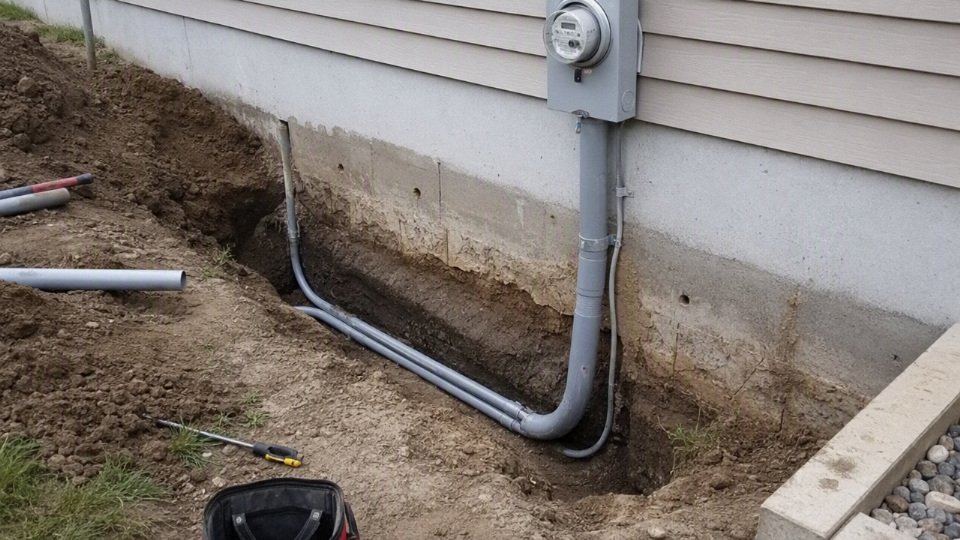
The details that save trouble are usually small on the drawing and expensive in the dirt:
- Use long-radius sweep elbows rather than tight plumbing-style bends.
- Place pull boxes or handholes where route length and bend count justify them, and size them for the actual conductor bending space.
- Install expansion fittings where PVC rises out of soil into a wall, meter base, or service gear exposed to temperature movement.
- Lay warning tape above the raceway before final backfill.
- Consider spare ducts when the trench crosses pavement, concrete, landscaping, or production access routes.
- Protect risers with rigid metal conduit, guards, bollards, or other approved means where impact is credible.
- Seal conduits where water, soil gas, or condensation could migrate into service equipment.
That last point is not theoretical. Underground conduit usually becomes wet over time; it should be designed as a wet location, and sealing should prevent water movement into panels, switchgear, CT cabinets, or meter sockets. The conductor insulation must be suitable for the environment, and the equipment end must be arranged so moisture does not collect where it causes corrosion, tracking, or nuisance maintenance.
Direct-burial cable shifts the problem from raceway pulling to ground protection. It still needs a controlled route, suitable bedding, and protection from sharp rock, construction debris, and future excavation. Sand bedding or screened soil is commonly used where native soil is rocky. Backfill should not include broken concrete, scrap steel, brick edges, or large angular stone against the cable. Route marking, utility separation, tracer systems where required, and accurate as-built drawings are part of the electrical installation, not paperwork decoration.
An ampacity-correct underground service cable can still be unsuitable if the conduit route exceeds practical pulling limits or lacks required burial protection.True
Ampacity only addresses current-carrying capacity under defined conditions. Raceway fill, pulling tension, bend radius, burial cover, mechanical protection, and termination access are separate design checks that can reject an otherwise correctly sized conductor.
The procurement risk is straightforward: once the cable is cut, shipped, and staged, discovering that the planned conduit is too small or the sweeps are too tight turns into delay, restocking arguments, or a forced redesign. Before buying, confirm the conductor data sheet outside diameter, raceway type and size, number of bends, pull points, burial depth, service entrance details, and local inspection requirements against the actual route.
Neutral and grounding conductors
A 200 amp underground run is not simply “three or four wires of the same size.” A typical single-phase dwelling service uses two ungrounded conductors and one grounded neutral conductor, while many downstream feeders need those three conductors plus a separate equipment grounding conductor. The correct set depends first on whether the run is a utility service lateral or a feeder after service equipment.
For a 120/240 V single-phase dwelling service, the usual service conductor set is:
- Two ungrounded phase conductors, often called “hots”
- One grounded conductor, normally the neutral
- No separate equipment grounding conductor on the utility side of the service disconnect in many North American installations
That changes once the conductors leave service equipment and feed another panel, shop, garage, pump house, or detached structure. A feeder generally separates neutral and grounding functions, so the common arrangement becomes:
- Two ungrounded conductors
- One insulated neutral conductor
- One equipment grounding conductor
That fourth conductor is not a nice-to-have detail. It gives fault current a low-impedance return path back to the overcurrent device without using the neutral bus, conduit joints, water piping, building steel, or whatever metallic path happens to be continuous that week. I have seen nuisance tingles on metal siding and livestock waterers traced back to old three-wire detached-building feeds where neutral current was sharing every bonded metal path available.
The neutral may be the same size as the phase conductors, and on residential services that is often the cleanest specification from a procurement and installation standpoint. A reduced neutral may be allowed where the calculated unbalanced load supports it and the local code authority accepts the calculation. The mechanism is simple: in a split-phase system, the neutral carries the imbalance between the two 120 V legs, not the full load of both legs added together. But that assumption gets weaker when the load mix is heavy on line-to-neutral equipment, seasonal electric heat, kitchen loads, EV-related auxiliary loads, or future tenant changes that nobody has modeled yet.
Reducing the neutral can save copper or aluminum, but it also removes flexibility from the installation. The preferred choice flips on long, expensive runs with well-documented loads; for a short dwelling service with uncertain future additions, same-size conductors may be the cheaper decision once engineering time, inspection risk, and stocking simplicity are counted.
Equipment grounding conductors are sized under a different rule than phase conductors. In typical NEC-based practice, a 200 amp feeder protected by a 200 amp breaker often points to a #6 copper or #4 aluminum equipment grounding conductor, but that must be checked against the current code table, conductor material, raceway system, and any upsizing of phase conductors for voltage drop. If the ungrounded conductors are upsized, the grounding conductor may also need proportional upsizing; do not assume the small green wire stays fixed forever.
Keep the terminology straight during design and purchasing:
- Grounded neutral conductor: carries normal return current from line-to-neutral loads.
- Equipment grounding conductor: carries fault current during abnormal conditions and bonds equipment enclosures.
- Grounding electrode conductor: connects the service or separately derived system to grounding electrodes such as rods, concrete-encased electrodes, or building steel.
- Bonding jumper: intentionally connects metal parts so they remain at the same electrical potential and can carry fault current where required.
These are not interchangeable line items, even if they all get called “ground” in casual shop talk.
Neutral bonding location is one of the most common places for otherwise decent underground installations to go wrong. The neutral is normally bonded to grounding conductors at the service disconnect, then kept isolated in downstream panels. Bonding neutral and ground again in a detached building panel can put normal neutral current onto grounding conductors, conduit, armor, metal piping, and structural steel. That is not just a code-paper problem; it can create shock complaints, corrosion issues, unstable GFCI behavior, and fault paths that do not clear predictably.
Procurement and quality checks
A purchase-ready 200 amp underground cable order should not say only “200 amp service cable.” It should define the conductor, insulation, identification, packaging, standards, test documents, and approved installation arrangement closely enough that a distributor, factory, contractor, and inspector are all buying the same thing. Most procurement mistakes on these jobs come from a late “equivalent” substitution that matches ampacity on paper but fails at the utility, termination, conduit fill, or inspection stage.
For the purchase description, give the supplier the actual engineering data, not just the service size:
- Conductor size: for example, 2/0 copper, 4/0 aluminum, 3/0 copper, or 250 kcmil aluminum, depending on the approved code basis and installation.
- Conductor material: copper or aluminum, including stranding class if specified by the project or termination hardware.
- Number of conductors: service entrance conductors, feeder conductors, neutral, and any grounding conductor as applicable to the installation type.
- Insulation designation: such as XHHW-2, USE-2, RHW-2, or another approved construction for the actual underground method. Do not assume every black insulated conductor is direct-burial rated.
- Voltage rating: commonly 600 V in many low-voltage service applications, but state the required rating from the project specification or utility rule.
- Service rating and application: residential dwelling service, commercial service, feeder from service equipment, utility lateral, or customer-owned underground run.
- Color or phase identification: black/red/blue phase marking, white or gray neutral identification, green or bare equipment grounding conductor where required.
- Packaging length: exact drum length or cut length, with allowance for sweeps, risers, transformer pad, meter location, panel landing, and pulling slack.
- Applicable standard: NEC-related listing requirement, UL/CSA product category, ICEA/ASTM construction standard, utility specification, or local authority requirement, as applicable.
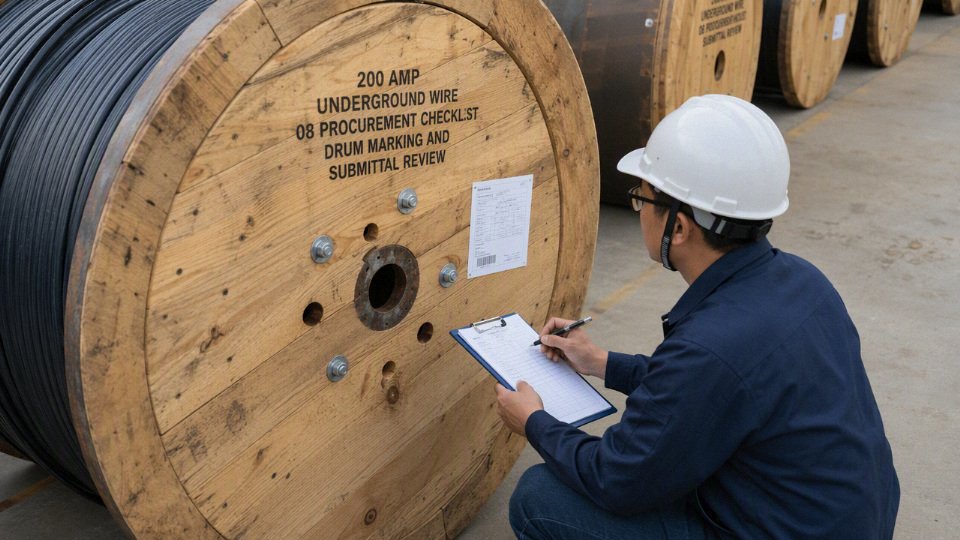
Documentation should be requested before shipment, not after the cable is sitting beside the trench. At minimum, buyers should ask for a certificate of conformity, factory test report or routine test records, product marking confirmation, batch or drum traceability, and the manufacturer’s current quality management certification. For export projects, add packing list, commercial invoice, country-of-origin documents, and any required inspection or customs paperwork. The document names vary by market, but the purpose is the same: prove that the cable supplied is the cable approved.
Cable size alone is not a complete procurement specification for a 200 amp underground service.True
Ampacity must be matched with insulation type, installation method, termination temperature rating, conductor identification, standards, documentation, and utility or inspection requirements.
Arrival inspection is simple, but it needs to happen before the crew has a mini-excavator waiting and the trench walls drying out. Check:
- Drum condition: no broken flanges, crushed lagging, water-soaked packaging, or signs that the drum was dropped from a forklift.
- Marking continuity: manufacturer name, conductor size, material, insulation type, voltage rating, standard marking, and production traceability repeated along the cable.
- Conductor count and identification: verify phases, neutral, and grounding conductor against the approved submittal.
- Insulation condition: no cuts, flattened spots, cracking, jacket damage, or exposed conductor at the outer wraps.
- Measured length: confirm drum length or use calibrated length marking where provided; short reels create ugly field splices.
- Submittal consistency: compare the delivered cable against the electrician’s approved load calculation, utility approval, trench plan, conduit schedule, and termination equipment.
The trade-off in procurement is speed versus control. Buying from stock can save days, sometimes weeks, but the available cable may not match the exact insulation designation, color identification, drum length, or utility-approved construction. Custom production gives better alignment with the project, especially for long underground runs and export shipments, but it needs approved data early enough to avoid delaying the civil schedule.
Late substitutions are where good projects get expensive. A contractor may accept “same ampacity” aluminum in place of copper, or one underground-rated insulation in place of another, but the lugs, conduit fill, bend radius, pulling tension, utility standard, and inspector’s checklist may not accept the change. In practice, that means the cheapest reel can become the most expensive one on site.
Jinda fits best where the buyer needs project-level cable supply rather than a one-reel emergency purchase. The company’s scale, multiple production bases, integrated R&D and technical support, project packaging capability, after-sales service, and experience supplying more than 50 countries are relevant for contractors, utilities, and procurement teams coordinating bulk cable, export documents, drum planning, and technical submittals across several stakeholders. Bulk production should be released only after the electrical design, utility requirements, trench route, conduit schedule, and termination equipment have been checked against the final cable construction.
Frequently asked questions
Can I use 4/0 aluminum for a 200 amp underground service?
Yes, 4/0 aluminum is commonly used for many 200 amp residential dwelling services in North American practice, especially where the dwelling service conductor sizing rule is accepted by the local authority. That does not make it a universal 200 amp conductor for every underground installation.
Before buying it, confirm:
- Whether the run is a dwelling service, a feeder, or a non-dwelling service.
- Whether the inspector and utility accept that sizing basis.
- Whether the conductor insulation and cable assembly are rated for underground use.
- Whether the terminals are rated for aluminum and for the conductor temperature column being used, commonly 75°C on larger equipment.
- Whether voltage drop requires upsizing because of distance.
4/0 aluminum is always the correct wire size for any 200 amp underground service.False
4/0 aluminum is common for many dwelling services, but non-dwelling services, feeders, long runs, terminal ratings, and local code rules can require a different size.
Is 2/0 copper enough for 200 amps?
2/0 copper may be enough for certain 200 amp dwelling service conductors when the applicable dwelling service rule is allowed. It should not be treated as the full-ampacity answer for all 200 amp circuits.
For many non-dwelling or standard ampacity-based selections, engineers often land closer to 3/0 copper when using the 75°C ampacity basis. The difference matters on mixed-use buildings, shops, farm buildings, pump services, commercial panels, and any installation where the residential service allowance does not apply. I have seen this missed when a contractor copies a house service detail onto a small production building; the inspector usually catches it, but by then the trench may already be open.
What size wire is needed for a 200 amp service 200 ft away?
At roughly 200 ft, ampacity alone is no longer enough to make a good selection. The conductor may be code-compliant for heating but still deliver poor voltage at the equipment during heavy load or motor starting.
For a 200 ft underground run, the designer should check voltage drop using:
- Load current expected in normal operation, not only the breaker size.
- System voltage and phase arrangement.
- Copper versus aluminum resistance.
- One-way circuit length.
- Starting loads such as HVAC compressors, pumps, welders, or shop equipment.
- Acceptable voltage drop target, often around 3 percent for feeders where practical.
Upsizing from the minimum ampacity conductor is common on long runs. The right answer may be one or more sizes larger, but it cannot be stated honestly without the load profile and distance.
Can I use direct-burial cable without conduit?
You can use direct-burial cable without full-length conduit only if the cable is listed and marked for direct burial and the installation meets burial depth, protection, and local inspection requirements. “Underground” on a quote is not enough; the jacket marking and approval for the application matter.
In practice, even direct-burial cable usually needs conduit or sleeve protection at risers, building entries, pole bases, stub-ups, driveway crossings, or areas where a shovel, rock, or settlement could damage the cable. Many utilities and local inspectors also have their own details that override a generic material preference.
Is URD cable the same as service entrance cable?
Not necessarily. URD is a trade term, and cable naming varies by supplier and region. The printed markings on the cable are more important than the catalog nickname.
Check whether the cable is approved for the exact portion of the installation:
- Utility lateral.
- Service entrance conductors.
- Feeder after the service disconnect.
- Direct burial.
- Wet-location conduit.
- Sunlight exposure at risers.
- Use inside a structure, if any part enters the building.
Some URD-type products are intended mainly for utility distribution and may not be acceptable inside premises wiring except under specific rules. Do not assume acceptance from the letters alone.
What size ground wire is needed for a 200 amp feeder?
The equipment grounding conductor for a 200 amp feeder is sized from separate grounding rules, not by copying the phase conductor size. It is normally based on the rating of the overcurrent protective device ahead of the feeder and the conductor material.
This is different from service conductors, where grounding and bonding are handled at the service equipment and the neutral may have different rules. For a feeder to a detached building, shop, barn, pump house, or remote panel, expect separate ungrounded conductors, an insulated neutral where required, and an equipment grounding conductor sized from the applicable code table. Verify the exact copper or aluminum grounding conductor size with the current adopted code and local inspector.
Should I choose copper or aluminum for underground service?
Both copper and aluminum can be correct for underground 200 amp service when they are properly sized, listed for the installation, and terminated with compatible lugs. Copper saves space and handles better in tight gear; aluminum usually wins on material cost, especially on long underground runs.
The practical choice depends on:
- Installed cost, not just price per foot.
- Conduit size and pull difficulty.
- Voltage drop over the run length.
- Terminal ratings in the meter base, disconnect, and panel.
- Utility or project specification.
- Corrosion control, oxide inhibitor practices, and torque procedure for aluminum.
- Availability in the required construction and length.
If the run is short and conduit space is tight, copper can be worth the premium. If the run is long and the route is straightforward, aluminum often gives the better project cost, provided the crew treats terminations properly and the design accounts for voltage drop.
Verify your service cable schedule
Many 200 amp residential underground services land at 2/0 copper or 4/0 aluminum, while many full 200 amp non-dwelling installations land at 3/0 copper or 250 kcmil aluminum when using typical 75°C terminal ampacity practice. Treat those as starting points, not a purchase order, because the approved cable schedule depends on the actual service classification, local code adoption, utility rules, wiring method, and route length.
Before you release the cable order, verify the schedule against the job conditions that actually drive conductor size and construction:
- Jurisdiction and code basis
Confirm the adopted electrical code edition, local amendments, inspection practice, and whether the dwelling service sizing rule is allowed on this installation. - Utility service requirements
Check the utility’s service guide for meter base, lateral, transformer, service point, conductor type, and termination requirements. Utilities can be stricter than the general code text. Dwelling or non-dwelling status
A detached house service, farm service, shop feeder, apartment service, and commercial building service may not be sized from the same rule.Conductor material and insulation rating
Lock down copper or aluminum, insulation type, wet-location suitability, voltage rating, temperature rating, and whether the terminals are listed for the conductor material and temperature column being used.Wiring method and underground construction
Confirm whether the design uses individual conductors in conduit, an approved underground cable assembly, direct burial where permitted, or utility-owned service lateral construction.Run length and voltage drop
For long underground routes, ampacity alone is not enough. Check calculated voltage drop against expected load, motor starting, HVAC equipment, EV charging, well pumps, or other loads that dislike low voltage.Conduit and pulling design
Verify conduit size, bend count, sweep radius, pull boxes, fill, pulling tension, sidewall pressure, burial depth, warning tape, and spare capacity. A correct conductor that cannot be pulled cleanly is still a bad design.Neutral, grounding, and bonding arrangement
Confirm neutral sizing, service versus feeder rules, grounding electrode conductor requirements, equipment grounding conductor requirements, and where neutral-ground bonding is permitted.Documentation for purchasing and inspection
Put the final conductor schedule, cable standard, markings, quantity, drum length, test documents, and packaging requirements into the purchase specification.
Do not order cable just because the service is called “200 amp.” Have the electrician, engineer, utility, or authority having jurisdiction confirm the conductor schedule and service layout first; a rejected underground cable order is expensive because returns, re-pulls, trench delays, and cut-to-length drums are rarely painless.
For project supply review, send Jinda the load data, service rating, route length, installation method, required cable standard, conductor preference, installation environment, and project quantity. Jinda can support technical review, cable selection, and bulk underground service cable quotation for international procurement and project supply planning.